
When a cryptocurrency gets abandoned cryptocurrency, a digital asset with no active development, team, or community support. Also known as ghost tokens, it’s not just inactive—it’s dead. No one’s updating the code. No one’s answering questions. And worse, no one’s caring if you lose money trying to trade it. These aren’t just slow projects. They’re tombstones in the crypto graveyard—once hyped, now silent.
Why do they die? Sometimes it’s fraud. Projects like CELT, a token that promised a public airdrop but only gave tokens to insiders before crashing 98%, were never meant to last. Other times, it’s pure neglect. YFX, a perpetuals trading platform that vanished without a trace in 2025, had no team, no funding, and zero liquidity. Then there are the scams—fake airdrops like WKIM Mjolnir, a myth-based fraud using Norse gods to trick people into giving away private keys. These aren’t bugs. They’re features of a system that rewards hype over honesty.
What do these dead projects have in common? No transparency. No audits. No real users. Platforms like BTCsquare, a no-KYC exchange with near-zero trading volume and BitFex, an anonymous exchange with withdrawal issues and scam patterns often host these tokens because they don’t care who’s running them. They just want volume. And you? You’re the one left holding the bag.
There’s no magic trick to spotting these. But there are red flags: zero social media activity, no GitHub commits, a token with 99% supply held by one wallet, or an airdrop that asks for your seed phrase. If the project’s name sounds like a fantasy novel—Midas The Minotaur, an 8.88 billion token meme coin with zero utility—it’s probably a trap. These aren’t investments. They’re lottery tickets with no winning numbers.
Below, you’ll find real case studies of abandoned crypto projects. Not theories. Not guesses. Actual examples of tokens that died, exchanges that vanished, and airdrops that were never real. Some of these lost millions. You don’t have to be the next one.
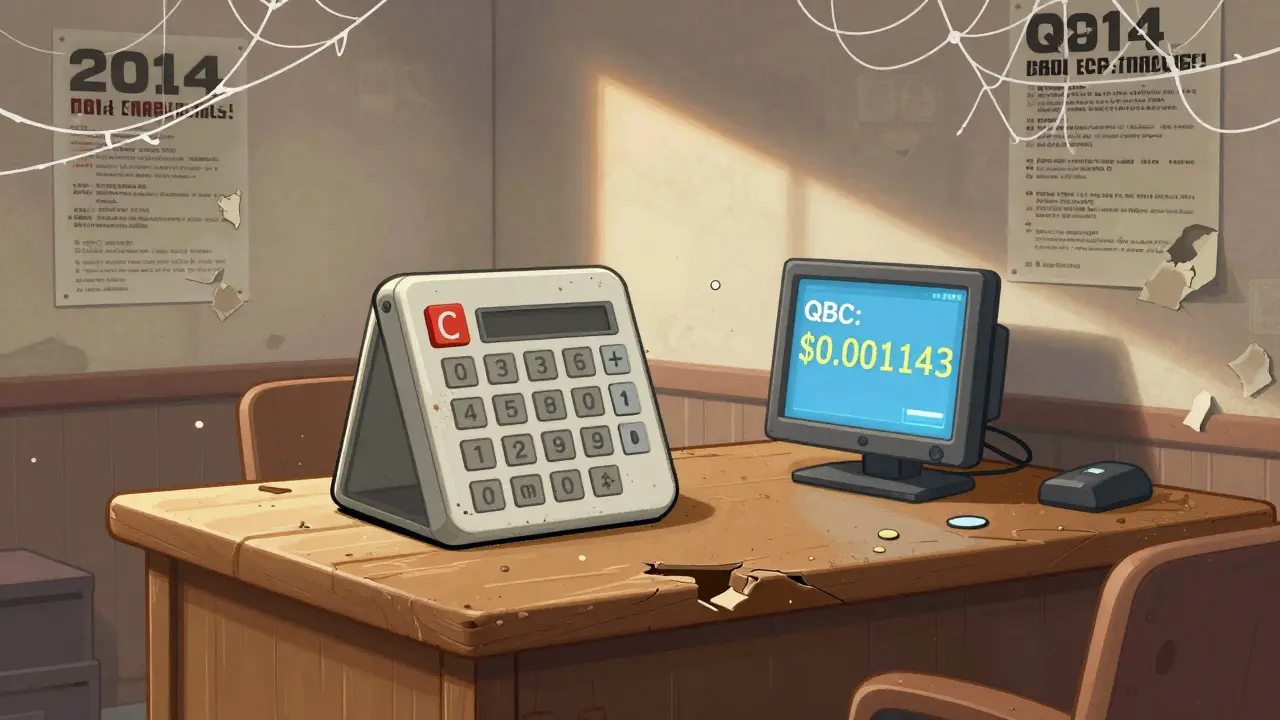
Quebecoin (QBC) is an abandoned cryptocurrency launched in 2014 with no active development, trading, or community. Learn why it failed and why it has no value today.