
When you hear blockchain airdrop, a free distribution of cryptocurrency tokens to wallet holders, often to grow a project’s user base. Also known as crypto airdrop, it’s one of the most common ways new tokens enter circulation—whether they’re meant to build community, reward early supporters, or just get attention. But not all airdrops are created equal. Some give you real value. Others are just bait for scams.
Behind every successful token distribution, the process of releasing digital assets to users, often with conditions like holding a specific coin or completing tasks is a strategy. Projects like Cryptopolis (CPO) and Wall Street Games (WSG) used airdrops to seed their networks with real users before their IDOs. They asked people to join Telegram, follow social accounts, and connect a wallet—then rewarded those who did. But look closer: the cryptocurrency, a digital asset secured by cryptography and running on a decentralized blockchain network you get isn’t always worth anything. The CELT token? Never had a public airdrop. The HOTCROSS token? Zero volume, no team. These aren’t mistakes—they’re red flags.
Scams hide in plain sight. If a project promises free tokens with no effort, it’s probably fake. If the token’s price crashes 98% after launch—like CELT—it’s dead. If the website looks like a template and no one’s posted on Twitter in six months? Run. Real airdrops come from projects with clear roadmaps, public teams, and active communities. They don’t need to hype themselves with fake influencers or Telegram bots.
You’ll find real stories here: how the LNR Lunar airdrop gave out exactly 140 NFTs, how WagyuSwap’s 2021 giveaway worked, and why the WSG airdrop actually delivered millions in tokens to winners. You’ll also see what went wrong with projects that promised the moon and delivered nothing. This isn’t a list of hype. It’s a filter. A way to tell the difference between something that might pay off and something that’s already gone.
Whether you’re new to crypto or have claimed a few airdrops before, this collection gives you the facts you need before you click ‘claim.’ No fluff. No promises. Just what’s real, what’s risky, and what to avoid.
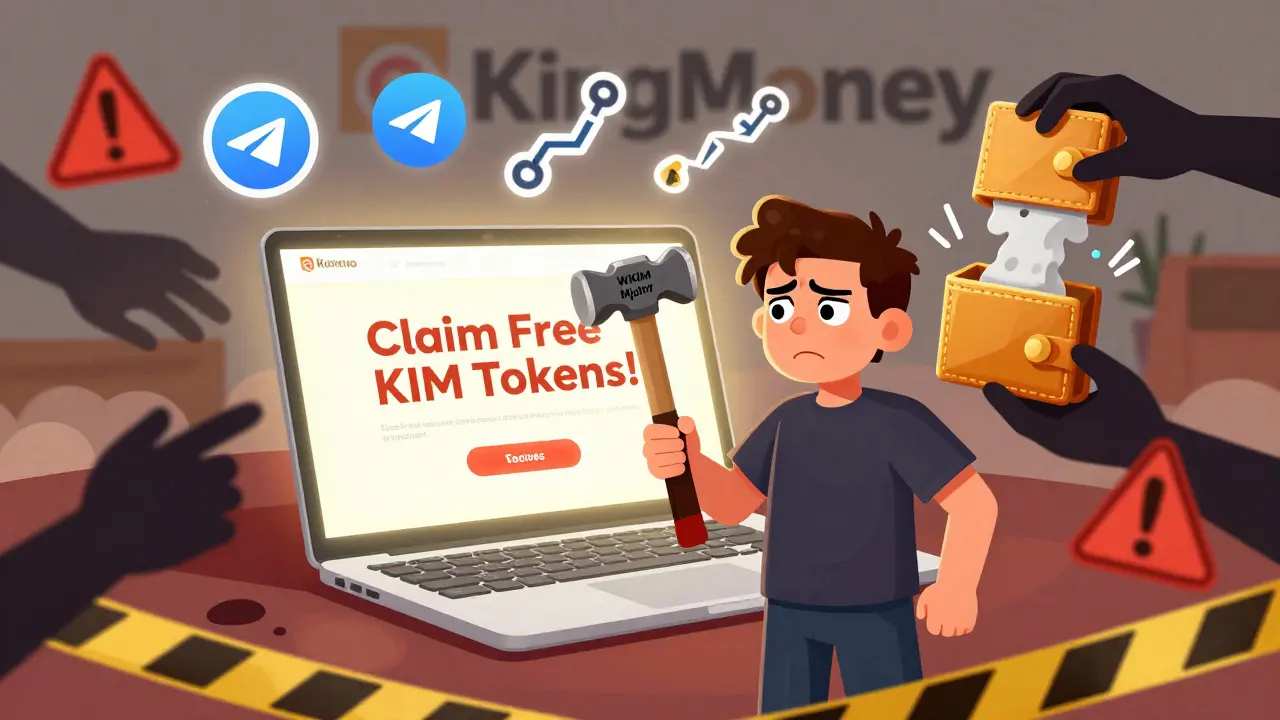
There is no WKIM Mjolnir airdrop from KingMoney - it's a scam. Learn what KIM really is, why fake airdrops use mythological names, and how to avoid losing your crypto to fraudsters.