
When you trade on a crypto exchange, a platform where you buy, sell, or swap digital assets like Bitcoin or Ethereum. Also known as cryptocurrency trading platform, it's supposed to make investing easy—but it’s also where most people lose money without even realizing it. Not all exchanges are built the same. Some are secure, regulated, and transparent. Others? They vanish overnight, freeze withdrawals, or trick you into locking up your coins in fake staking pools.
One of the biggest crypto exchange risks, the chance of losing funds due to platform failure, fraud, or poor security. Also known as exchange collapse, it’s not just about hacking—it’s about mismanagement, lack of audits, and hidden fees. Look at what happened in Ecuador: when banks were banned from handling crypto, users got pushed into risky P2P deals with strangers. No protections. No recourse. Just a QR code and a prayer. That’s the same energy you find on unregulated DEXs like ViperSwap or ZKSwap, where zero gas fees sound great until you realize there’s no customer support if your transaction gets stuck or your liquidity gets drained.
Then there’s liquidation, when your collateralized loan is automatically sold off because the price of your crypto dropped too fast. Also known as auto-liquidation, it’s a silent killer in DeFi. You think you’re earning yield on your ETH, but if the market swings hard and your collateral ratio falls below 110%, boom—your position gets wiped out in seconds. That’s not a bug. It’s the design. And platforms like BULL Finance or Firebird Finance don’t warn you enough about how fast this can happen.
And let’s not forget crypto scams, fake projects pretending to be real airdrops or exchanges to steal your wallet keys. Also known as rug pulls, they’re everywhere. DOGGY? No airdrop. BunnyPark? No free tokens. Monsoon Finance? No traditional airdrop—just anonymity mining you have to work for. These aren’t mistakes. They’re traps. Scammers copy names, mimic websites, and use CoinMarketCap links to look legit. If it sounds too easy, it’s probably a lie.
Even places that seem safe, like HKD.com or MEXC, have withdrawal delays, hidden terms, and no legal recourse if something goes wrong. And in countries like Morocco or Bolivia, trading crypto isn’t just risky—it’s illegal, with fines up to $50,000. The law isn’t keeping up, but the scammers are.
So what’s the fix? Don’t trust a platform just because it has a fancy logo or a TikTok influencer promoting it. Check if it’s registered anywhere. Look for real audits—not just a PDF no one reads. Never put more than you can afford to lose on any exchange. And if you’re using a DEX, understand how impermanent loss and slippage work before you click "Swap."
The posts below show you exactly how these risks play out in real projects—from the fake airdrops that look real to the exchanges that vanish without a trace. You’ll see what to avoid, how to spot danger signs, and which platforms still have some trust left. No fluff. No hype. Just what you need to protect your money.
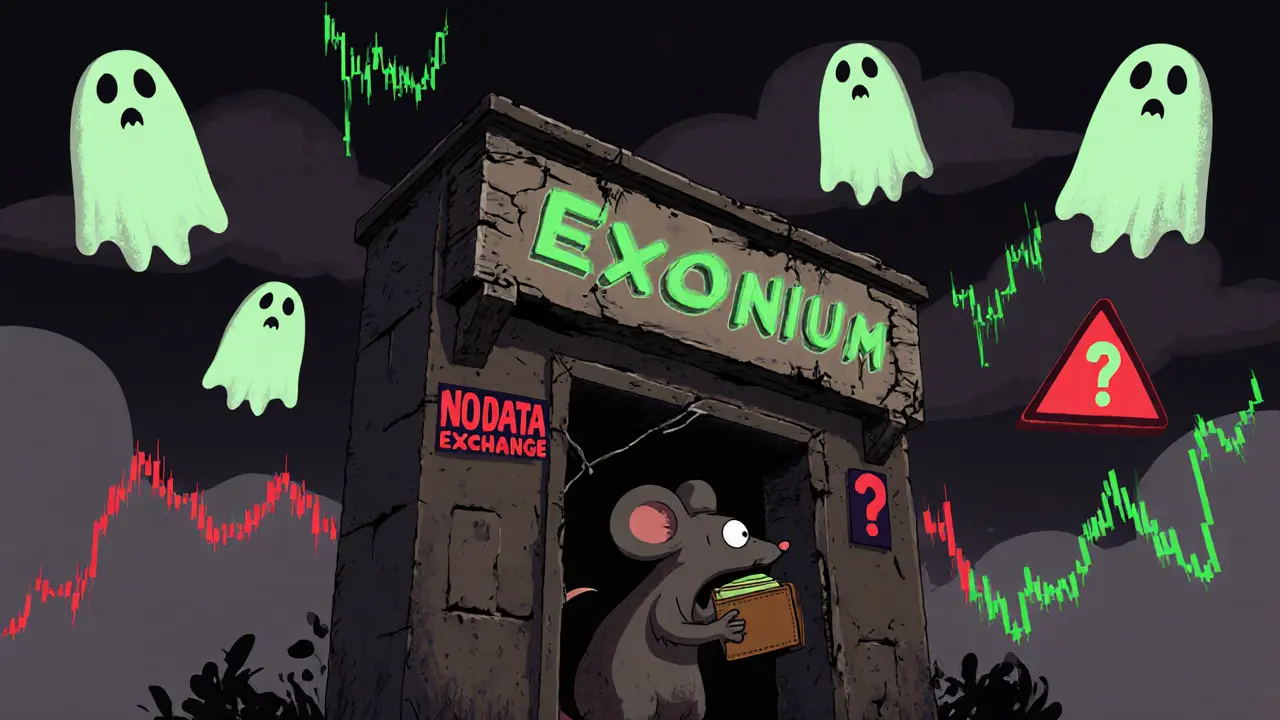
Exonium crypto exchange is untracked by CoinMarketCap, has no verified volume, no app, no audits, and zero user reviews. Avoid this platform - it's inactive, unverified, and at high risk of shutting down.