
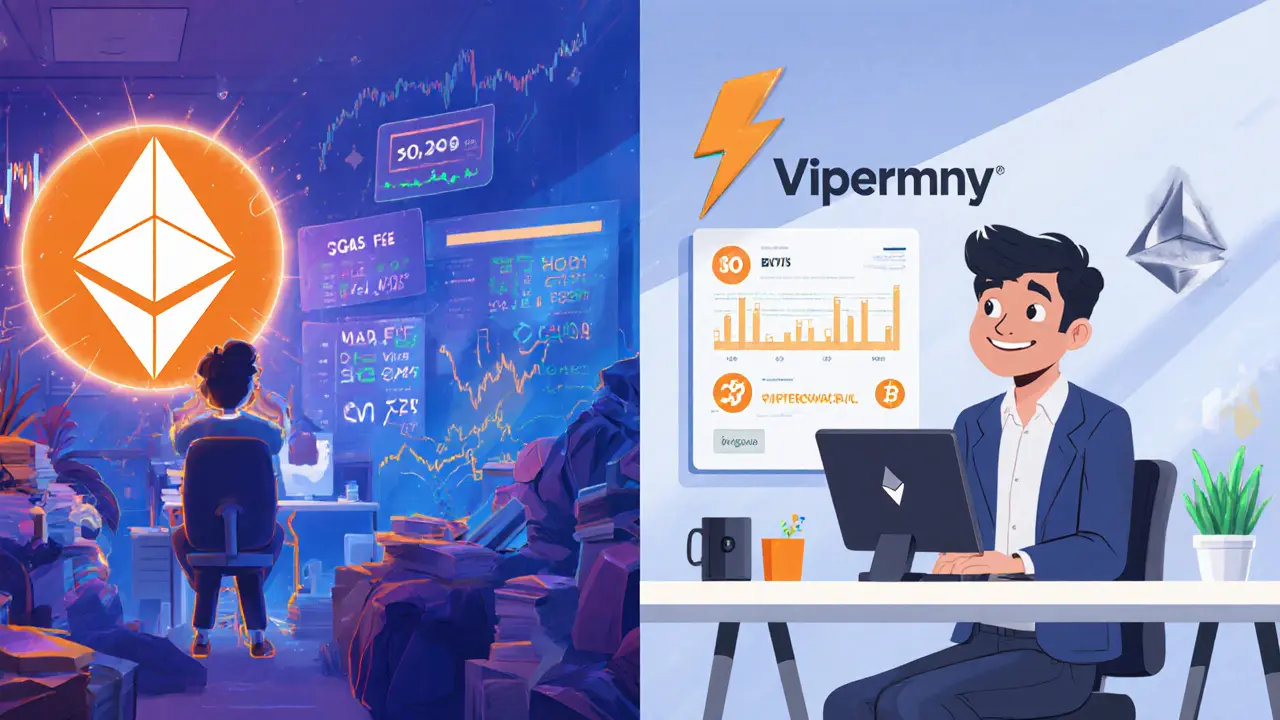
When dealing with DeFi swap costs, the total fees you pay while exchanging tokens on decentralized finance platforms. Also known as DEX swap fees, they combine several moving parts that can quickly add up. The first piece of the puzzle is gas fees, the amount of native blockchain currency required to process a transaction. On Ethereum, these fees fluctuate with network congestion and can turn a cheap trade into an expensive one. The second piece is the automated market maker, the smart‑contract algorithm that powers most DEX swaps by matching trades against liquidity pools. AMM designs charge a spread or protocol fee that varies by platform, and the size of the pool you trade against determines slippage. Together, DeFi swap costs encompass gas fees, AMM fees, and any extra protocol charges, meaning you need to look at each component before you hit ‘swap.’
Liquidity pools are the third key factor. When you swap, you’re pulling tokens out of a pool that holds reserves of both assets. If the pool is shallow, the price impact rises and the effective fee climbs—sometimes more than the on‑chain gas you paid. On the flip side, deep pools keep slippage low, but they still charge a small protocol fee, usually a fraction of a percent. To keep an eye on all these moving parts, many traders rely on transaction fee estimation tools. These services pull real‑time gas price data, calculate expected AMM spreads, and even factor in Layer 2 scaling solutions like ZK‑Rollups that dramatically cut gas costs. By using a fee estimator, you can compare the cost of swapping on a Layer 1 chain versus a Layer 2 bridge, decide whether a bridge fee is worth it, and avoid surprise price spikes during peak traffic. In practice, understanding that DeFi swap costs require knowledge of gas fees, AMM structures, and liquidity depth lets you pick the cheapest route, whether that’s an Optimism rollup, a Polygon bridge, or a direct Ethereum transaction.
All of this matters because the fee landscape is constantly shifting. New DEXs launch with different fee models, Layer 2 networks improve their throughput, and gas‑price algorithms evolve. The articles below break down the latest fee structures on platforms like ZKSwap, ThunderSwap, and Firebird Finance, compare gas‑saving tricks, and show you how to use estimation tools to stay ahead. By the time you finish reading, you’ll have a clear picture of what drives DeFi swap costs, which tools can help you monitor them, and actionable steps to reduce the amount you spend on every trade.
A comprehensive ViperSwap review covering fees, speed, staking, liquidity, user experience, risks, and future roadmap for the Harmony-based DEX.