
When people search for Quebecoin, a supposed cryptocurrency tied to Quebec or Canadian blockchain innovation. Also known as QC coin, it’s often listed on sketchy sites claiming to be a new DeFi project or regional digital currency. But here’s the truth: Quebecoin never launched. There’s no whitepaper, no development team, no blockchain, and no trading volume. It’s a ghost token—created only to trick people into buying it on fake exchanges or handing over private keys in a phishing scam.
This isn’t unique. Fake coins like Quebecoin follow the same playbook as Midas The Minotaur, a meme coin built on myths, not technology, with no utility and 8.88 billion tokens floating in the wild, or Cerberus (CRBRUS), a Cosmos-based token with only 64 holders and zero liquidity. These projects don’t solve problems—they prey on hope. They use local names (Quebec, Canada), flashy logos, and fake Telegram groups to look legit. But if you check CoinMarketCap, CoinGecko, or even a simple blockchain explorer, you’ll find nothing. No contract address. No transactions. No team members. Just empty promises.
Why do these scams keep showing up? Because they’re cheap to make and easy to spread. A single person can spin up a website in an hour, buy a domain with a Canadian-sounding name, and post fake screenshots of "massive gains." Then they vanish—taking your crypto with them. Real projects like SushiSwap on Polygon, a live decentralized exchange with real users, low fees, and active development don’t need hype. They have code on GitHub, audits, community calls, and transparent tokenomics. Quebecoin has none of that.
If you see Quebecoin pop up in a Telegram group or a "free airdrop" alert, walk away. Don’t click. Don’t connect your wallet. Don’t even Google it further—those search results are often paid ads from scammers. The same people who pushed Quebecoin are now pushing 10 other fake coins with different names but the same empty promises. Watch for red flags: anonymous teams, no GitHub, no liquidity pools, and pressure to act fast. Real crypto moves slowly. Scams scream.
Below, you’ll find real breakdowns of actual crypto projects—some working, some dead, most scams. You’ll learn how to spot the difference, what to check before investing, and which platforms actually deliver value. No fluff. No hype. Just facts from people who’ve seen it all before.
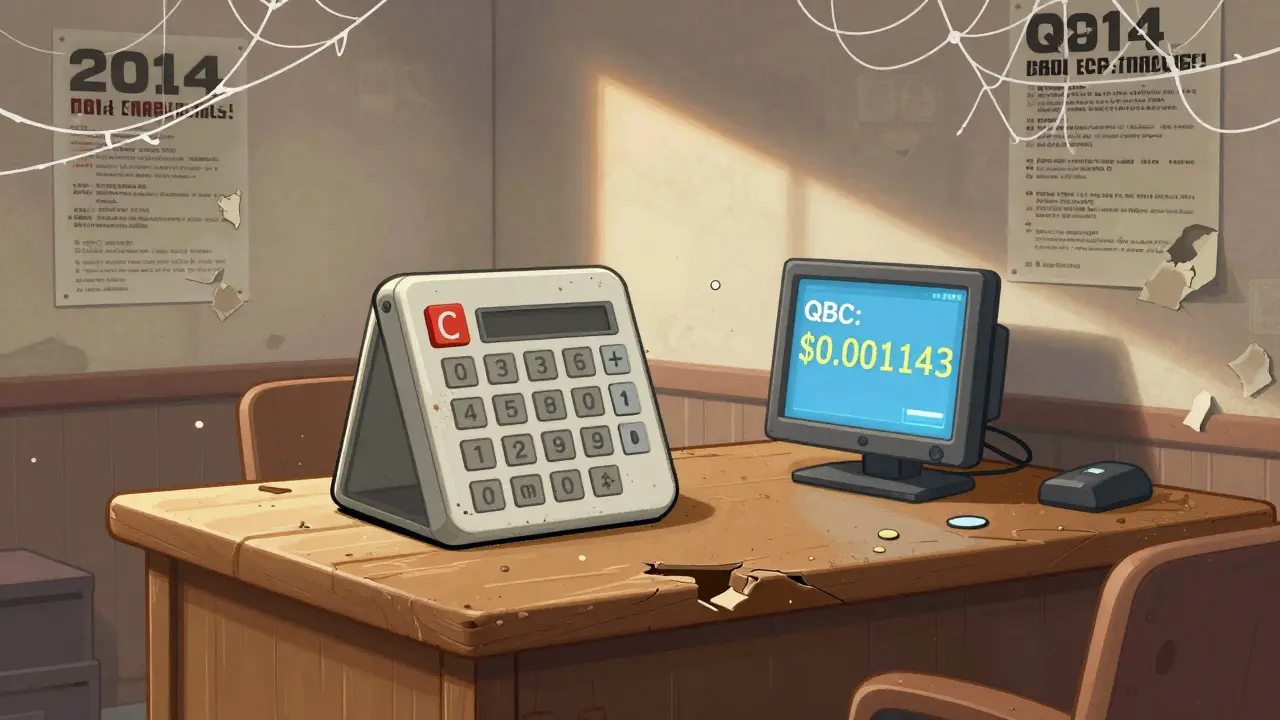
Quebecoin (QBC) is an abandoned cryptocurrency launched in 2014 with no active development, trading, or community. Learn why it failed and why it has no value today.