
When it comes to banking crypto rules Cyprus, the regulatory framework that governs how financial institutions interact with cryptocurrency in Cyprus. Also known as Cyprus crypto regulations, it’s a mix of EU-wide compliance and local banking caution. Cyprus is an EU member, so it follows MiCA — the new EU crypto law that came into force in 2024. But here’s the catch: just because crypto is legal doesn’t mean your bank will touch it.
Most Cypriot banks still treat crypto as high-risk. They routinely freeze accounts linked to exchanges like Binance or Kraken. Even if you’re just buying Bitcoin for personal use, your bank might flag it as suspicious. That’s because crypto banking Cyprus, the practice of using traditional banks to fund or withdraw from crypto platforms. Also known as crypto-fiat gateways, it’s still largely blocked by local institutions. You won’t find a single major Cypriot bank offering direct crypto deposit services. Instead, users rely on P2P platforms like LocalBitcoins or Paxful to turn euros into crypto — and that’s where the real risk lives.
Meanwhile, crypto exchange Cyprus, the legal status and operational environment for crypto trading platforms based in or serving Cyprus. Also known as Cyprus crypto licenses, it’s one of the few bright spots. Cyprus has become a hub for crypto businesses thanks to its low corporate tax rate and clear licensing under CySEC. Many exchanges set up offices here because they can get licensed — but that license doesn’t mean they can move money through local banks. So you get a paradox: crypto companies thrive legally, but their customers can’t easily deposit euros.
What does this mean for you? If you live in Cyprus and want to trade crypto, you need to work around the banking system. Use P2P, use EUR stablecoins, or open an account with a non-Cypriot bank that supports crypto — like Revolut or N26. But don’t expect your local bank to help. They’re not allowed to, not because crypto is illegal, but because they’re terrified of money laundering fines from the EU.
There’s no official ban on crypto in Cyprus. You can own it, trade it, even mine it. But if you try to link it to your bank account, you’re playing a game with rules written by risk-averse clerks, not regulators. The government doesn’t stop you — your bank does.
Below, you’ll find real cases from Cyprus and similar EU countries. You’ll see how people bypass banking blocks, what penalties they face, and which crypto services actually work here in 2025. No theory. Just what’s happening on the ground.
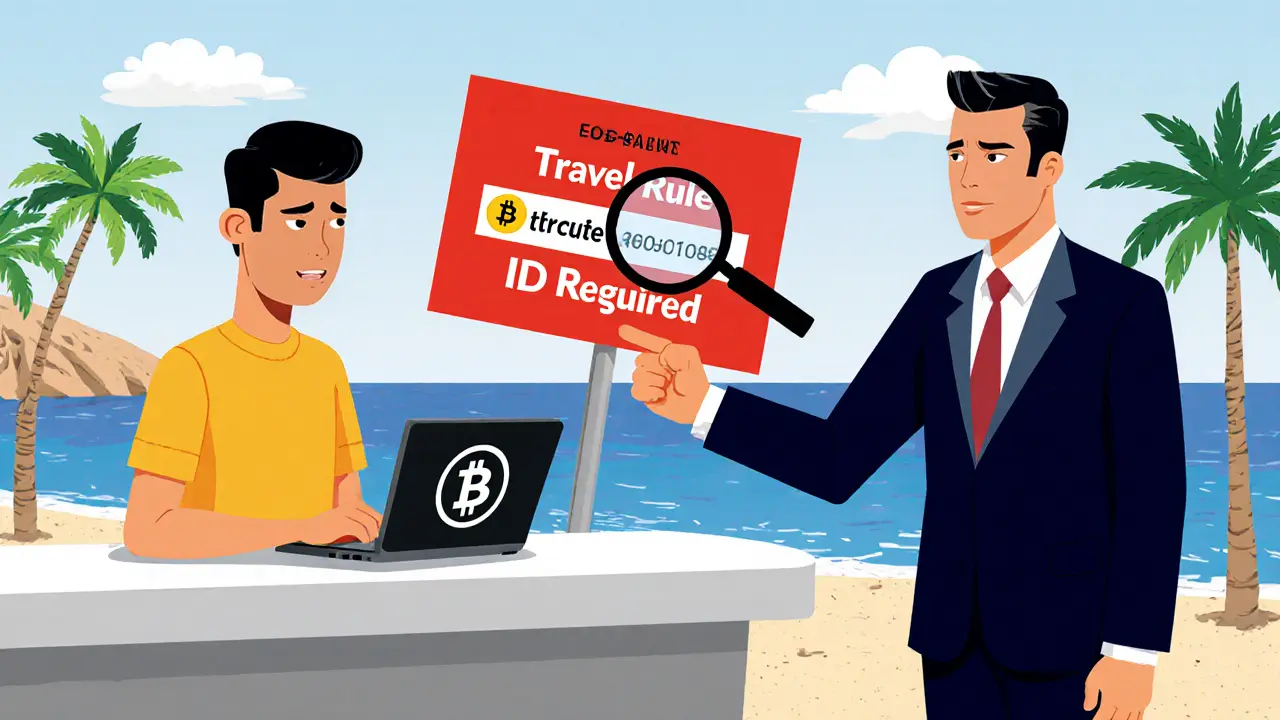
Cyprus allows crypto but banks impose strict rules under EU MiCA laws. Learn how the Travel Rule, sanctions checks, and dual regulation impact crypto transactions in 2025.