
When Ecuador banned Bitcoin, a decentralized digital currency that operates without a central bank or single administrator. Also known as digital cash, it was meant to offer financial freedom—but governments saw it as a threat. In 2018, the government made it illegal to use Bitcoin or any other cryptocurrency as payment, claiming it undermined the national currency and enabled money laundering. But here’s the twist: people didn’t stop using it. They just got smarter.
What most reports miss is that Ecuador’s ban wasn’t about stopping technology—it was about controlling money. The country had already been struggling with inflation and dollarization since 2000, when it replaced its own currency with the U.S. dollar. That left people hungry for alternatives that didn’t require banks, paperwork, or government approval. So while the law said Bitcoin was off-limits, users turned to peer-to-peer exchanges, Telegram groups, and cash trades to keep moving value. This wasn’t just rebellion—it was necessity. And it’s a pattern you’ll see again in countries like Nigeria, Bangladesh, and Bolivia, where crypto thrives even when it’s banned.
The cryptocurrency legality, the official status of digital currencies under national law, which can range from full prohibition to regulated recognition. Also known as crypto regulation, it often depends more on enforcement than on written rules. in Ecuador was never fully enforced. Banks didn’t shut down accounts. ATMs didn’t stop accepting cash. And the government never built the infrastructure to track every wallet. Meanwhile, crypto regulation, the set of laws and policies governments use to control or monitor digital assets. Also known as financial oversight, it’s often reactive, not proactive. in other parts of Latin America started shifting. Colombia and Argentina began allowing crypto exchanges. Mexico passed clearer rules. Ecuador stayed stuck in 2018 while the world moved on.
What’s clear now is that banning Bitcoin doesn’t kill it—it hides it. And when people are forced underground, they find ways to make it work: using stablecoins to send remittances, mining with cheap solar power, trading in local markets. The real story isn’t the ban. It’s what happened after. You’ll find posts here that break down how users in Ecuador kept transacting, how miners adapted when electricity costs rose, and how today’s crypto users in similar countries are learning from Ecuador’s mistakes—and its resilience.
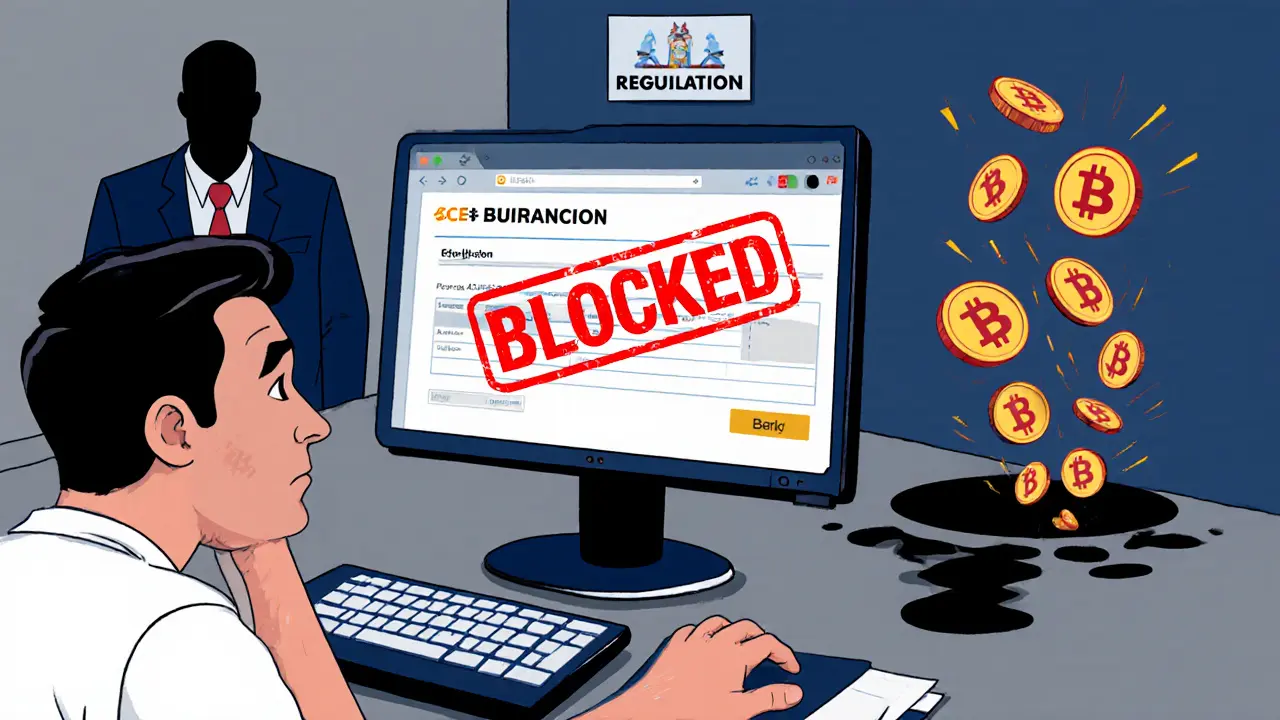
Ecuador bans banks from handling crypto transactions, forcing users into risky P2P workarounds. Learn how the ban works, who it hurts most, and what’s changing in 2025.