
Ecuador Banking Ban on Crypto Transactions: What You Need to Know in 2025

Home Ecuador Banking Ban on Crypto Transactions: What You Need to Know in 2025

Ecuador Banking Ban on Crypto Transactions: What You Need to Know in 2025

31 Oct 2025

Ecuador Crypto Transaction Cost Calculator

Calculate Your Crypto Costs in Ecuador

Based on current regulations and real-world data from Ecuador's crypto market. Remember: Banking institutions automatically block crypto transactions.

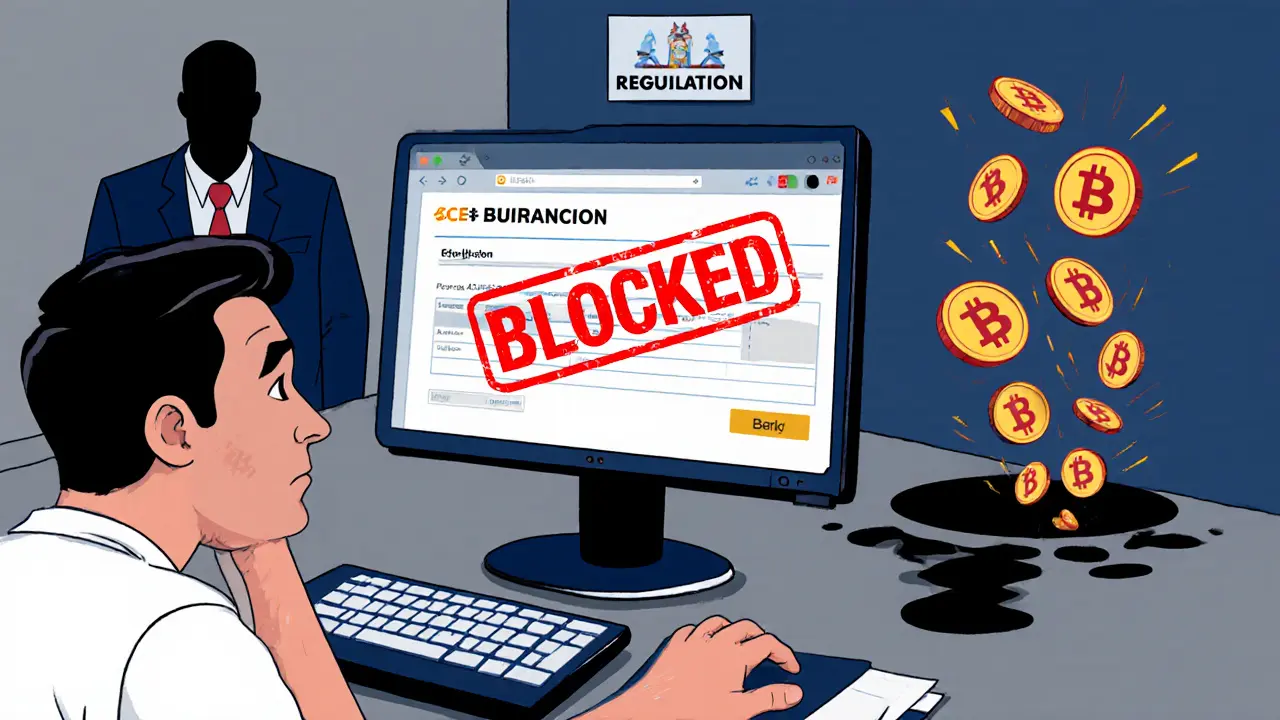
When you try to send crypto from Binance to your Ecuadorian bank account, it doesn’t just fail-it disappears. No error message. No explanation. Just silence. That’s the reality for over 385,000 Ecuadorians who use cryptocurrency, despite the government’s clear stance: crypto transactions are banned from the banking system.

How the Ban Works in Practice

Ecuador’s banking ban on crypto isn’t a vague warning. It’s a hard rule enforced by the Central Bank of Ecuador (BCE) and the Superintendency of Banks (SB). Since January 2022, all regulated financial institutions-including banks, credit unions, and payment processors-have been legally prohibited from handling any transactions tied to cryptocurrencies. That means if you try to deposit Bitcoin, Ethereum, or even USDT into your Banco Pichincha account, the system automatically flags it. The transaction gets blocked. Your account might get frozen. And you’ll get a call from customer service asking what happened.

This isn’t about suspicion. It’s about compliance. Banks are required to use a Transaction Monitoring System (TMS) Version 3.1, which scans for 47 specific crypto-related patterns. If you send $200 or more to an exchange like Binance or OKX, the system triggers an alert. Over 87% of users who’ve tried this report account freezes lasting between 3 and 14 days. First offense? Usually a warning. Repeat? Your account could be closed.

Why Ecuador Banned Crypto Through Banks

Ecuador has used the US dollar as its official currency since 2000. That’s not just a policy-it’s a core part of the country’s economic identity. The BCE argues that allowing crypto into the banking system would create instability. If people start moving money into Bitcoin or stablecoins during times of inflation or political uncertainty, it could trigger capital flight, undermine trust in the dollar, and destabilize the entire financial system.

The government isn’t trying to stop people from owning crypto. It’s trying to stop it from becoming part of the formal economy. That’s why the ban only applies to banks and regulated entities. You can still buy, sell, and hold crypto privately. You just can’t use your bank account to do it.

What’s Allowed and What’s Not

The rules are strict, but they have clear boundaries:

  • Not allowed: Depositing crypto into your bank account, withdrawing cash from an ATM using crypto, paying for groceries with Bitcoin, using crypto as collateral for a loan, or signing contracts priced in digital assets.
  • Allowed: Buying crypto on peer-to-peer platforms, holding crypto in non-bank wallets, trading crypto outside the banking system, and paying for goods/services in crypto if the seller accepts it directly (though this is rare and risky).

There’s also a tax angle. The Internal Revenue Service (SRI) taxes crypto gains at up to 35% for individuals and 25% for corporations-if they find out. But enforcement is weak. Most people don’t report because they can’t legally cash out through banks.

A woman meets a stranger in a park to trade crypto for cash, while a suspicious figure observes nearby.

How People Work Around the Ban

Ecuadorians didn’t stop using crypto because of the ban. They got creative.

The most common workaround? Peer-to-peer (P2P) trading. Users meet in person or on Telegram groups to trade crypto for cash. Binance’s Ecuador user reviews show 68% rely on this method. But it’s not safe. Scams are common. One user in Guayaquil lost $4,200 after meeting someone who claimed to pay in cash but sent a fake bank transfer screenshot.

Another popular trick? Converting crypto to USDT, then trying to send it as a regular USD transfer. Sometimes it works-if the bank doesn’t catch the pattern. But when they do, funds get frozen. In Q2 2025 alone, $382,000 in user funds were locked after this tactic failed.

Some use gift cards. Buy crypto, trade it for Amazon or Google Play cards, then sell the cards locally. Others use prepaid dollar cards issued by non-bank companies like Payoneer or Wise. These aren’t tied to banks, so they slip through the cracks. But fees are high-averaging 4.8% per transaction, compared to 1.2% in countries where crypto is legal.

The Human Cost of the Ban

The ban hits hardest where it matters most: financial inclusion.

Over 42% of Ecuadorian adults are unbanked. Many of them turn to crypto because it’s the only way to receive remittances without paying 6.5% in fees. The World Bank estimates Ecuador loses $18 million a year in potential savings because blockchain-based remittances are blocked.

A 2024 study from Pontificia Universidad Católica del Ecuador found that 78% of crypto users rely on informal channels to turn digital assets into cash. For many, it’s not about speculation-it’s survival. A mother in Cuenca uses crypto to get money from her son working in Spain. She can’t use Western Union because it’s too expensive and slow. So she waits for a local buyer on Telegram, takes cash in person, and hopes no one follows her home.

What’s Changing in 2025?

There’s movement. In May 2025, National Assembly member Shirley Rivera introduced Bill 6538. It proposes legalizing crypto exchanges in Ecuador under strict rules: $500,000 minimum capital, proof-of-reserves audits, and real-time monitoring linked to the Financial Analysis Unit (UAF). It’s the first serious attempt to move from ban to regulation.

But don’t expect it soon. The bill is stuck in three congressional committees. Analysts say it could take 18 months-or longer-to pass. The BCE and SB are resisting change. They still believe crypto is a threat to dollarization.

Meanwhile, the BCE is quietly testing a Central Bank Digital Currency (CBDC). If launched in Q4 2025, it could either replace private crypto-or coexist with it. But if the CBDC is designed to be the only digital dollar, it could make crypto even harder to use.
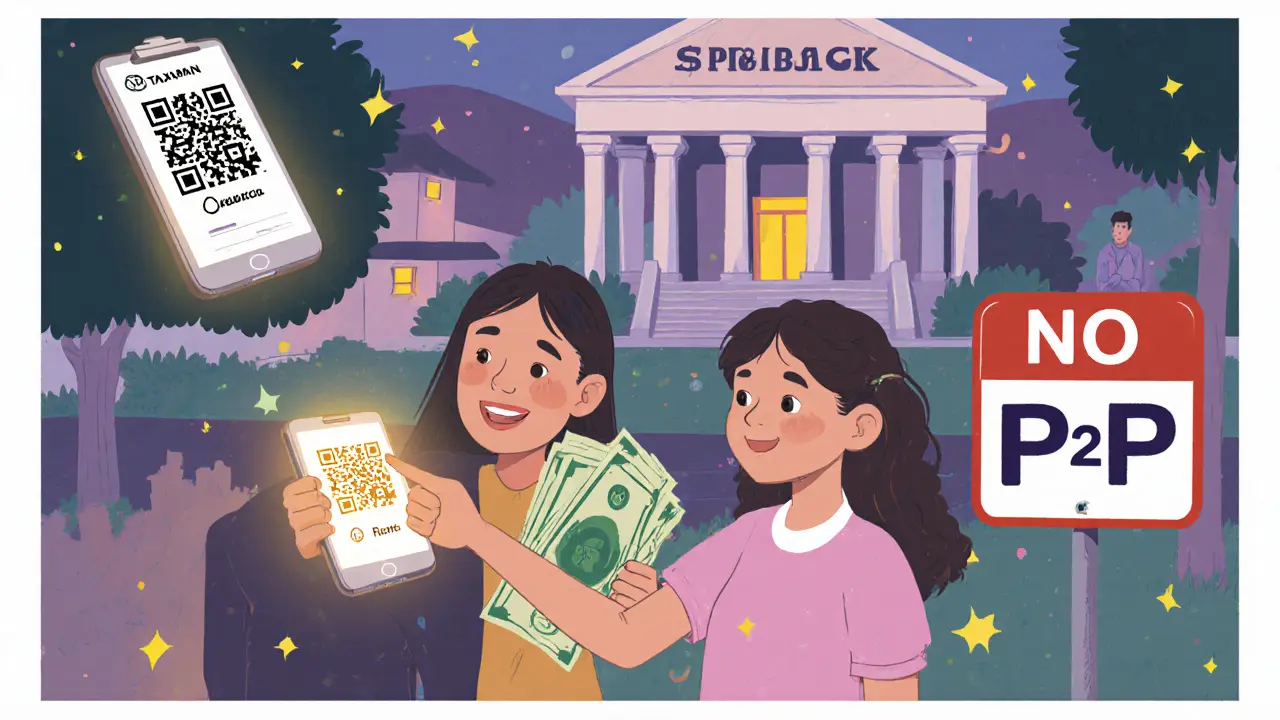
A mother receives cash from a crypto deal, with a tax official hovering nearby and a bank looming in the background.

The Bigger Picture: Ecuador vs. Latin America

Ecuador is an outlier. Brazil and Argentina have licensed exchanges. Colombia lets banks offer crypto services. Even Venezuela, with its chaotic economy, has a thriving crypto market.

Ecuador’s crypto market is tiny-just $185 million in estimated value, or 1.1% of Latin America’s total. Venture capital? Only $12.7 million flowed into Ecuadorian crypto startups in 2024. In Brazil? $210 million.

The reason? Fear. Banks won’t touch crypto. Investors won’t fund startups that might get shut down tomorrow. Developers leave for countries with clearer rules.

What This Means for You

If you’re in Ecuador and use crypto:

  • Never link your bank account to an exchange.
  • Use P2P platforms like Binance P2P or LocalBitcoins, but verify buyers carefully.
  • Stick to USDT for transfers-it’s the most stable and widely accepted stablecoin.
  • Keep records of all transactions, even if you don’t report them. The SRI might audit you someday.
  • Be aware: if you get caught moving crypto through a bank, you risk losing access to your money, not just your account.
If you’re thinking of investing in Ecuador’s crypto space: walk away. The regulatory risk is too high. The market won’t grow until the ban is lifted-or replaced with clear rules.

What’s Next?

Ecuador stands at a crossroads. It can keep doubling down on control, pushing crypto further underground and leaving millions without access to affordable finance. Or it can recognize that the world is moving toward digital money-and that banning it doesn’t stop it, it just makes it dangerous.

The people aren’t waiting. They’re already using crypto. The question is: will the government catch up-or keep chasing ghosts?

Comments
Jason Coe
Jason Coe
Nov 1 2025

I’ve been tracking Ecuador’s crypto ban since 2023, and honestly, it’s one of the most bizarre policy experiments in Latin America. They’re not banning crypto ownership-just the plumbing. It’s like saying you can own a car but can’t drive it on any road. The Central Bank thinks this protects dollarization, but it’s just forcing people into shadow systems where scams thrive. The real threat isn’t Bitcoin-it’s the lack of financial innovation. If you’re going to lock people out of digital finance, at least give them a legal alternative. Otherwise, you’re just making poverty more inconvenient.

And don’t get me started on the CBDC. If they roll out a government-controlled digital dollar with zero privacy and mandatory surveillance, they’re not modernizing-they’re digitizing oppression. People aren’t using crypto because they’re crypto bros. They’re using it because Western Union takes a 6.5% tax on family survival.

Meanwhile, Brazil’s banks are offering crypto savings accounts. Colombia lets you buy BTC through your app. Ecuador? You get a call from customer service asking if you ‘know what you’re doing.’ Yeah, I know I’m risking my account to feed my kid. Thanks for the concern.

The real failure here isn’t the users. It’s the regulators who think control equals stability. Stability without access isn’t stability-it’s exclusion. And exclusion doesn’t last. It just gets uglier.

I’ve seen this play out in Venezuela, Argentina, Nigeria. You can’t ban technology. You can only ban dignity. And Ecuador’s banking system is slowly losing its soul over a fear of digital cash.

Brett Benton
Brett Benton
Nov 2 2025

Bro this is wild. I’m from Texas and I can’t even imagine being blocked from using crypto through my bank. I get the dollarization thing, but if your whole economy runs on USD and people are using crypto to send money home to their moms, why are you making it harder? That’s not policy, that’s cruelty.

And the P2P scene? That’s not innovation-that’s a survival hack. Imagine having to meet strangers in parking lots to get paid because the bank won’t touch your wallet. That’s not finance. That’s a spy movie.

Also, USDT as the only stablecoin that works? That’s the saddest thing I’ve heard all week. At least they’re smart enough to use it. Ecuadorians are basically crypto ninjas now. Respect.

Also-why isn’t anyone talking about the tax angle? You’re taxed on gains you can’t even cash out. That’s like being fined for breathing too hard.

David Roberts
David Roberts
Nov 4 2025

Let’s not romanticize this. The ban isn’t about control-it’s about institutional inertia. The BCE operates on a 1990s framework where any deviation from fiat is a moral failure. Crypto isn’t destabilizing the dollar-it’s destabilizing their monopoly on trust. The real threat is transparency. If people can bypass banks, they can bypass accountability. And accountability is the only thing keeping these institutions alive.

Also, the 47-pattern TMS? That’s not AI. That’s a rulebook written by someone who thinks ‘BTC’ is a virus. It’s a statistical fishing net with zero context. You send $200 to Binance? Flagged. You send $199? Fine. That’s not regulation. That’s algorithmic absurdity.

And the CBDC? Please. A state-controlled digital currency with zero decentralization is just fiat with more surveillance. It’s not innovation-it’s rebranding oppression. The real question isn’t whether crypto should be allowed-it’s whether the state deserves to control money at all.

Also, ‘peer-to-peer’ is just a euphemism for ‘unregulated black market.’ And black markets don’t solve problems. They just hide them.

Monty Tran
Monty Tran
Nov 5 2025

This is why governments fail. They ban what they don’t understand. And then they pretend they’re protecting people. They’re not. They’re protecting their own irrelevance.

Beth Devine
Beth Devine
Nov 5 2025

Just wanted to say I’m really impressed by how resourceful Ecuadorians are. Even with all the restrictions, they’re finding ways to survive and support their families. That’s the power of human ingenuity. The fact that people are using gift cards, Payoneer, and Telegram P2P to get money to loved ones? That’s not crypto-it’s compassion with tech.

If you’re trying to help someone in Ecuador, don’t send USD through Western Union. Help them set up a Binance P2P account. Teach them how to verify buyers. It’s not perfect, but it’s better than losing 6.5% every time.

And honestly? The fact that 78% of users are using informal channels says everything. The system isn’t broken. It’s just not designed for real people. Maybe the government needs to stop seeing crypto as a threat and start seeing it as a tool.

Also-props to the moms in Cuenca. They’re the real heroes here.

Brian McElfresh
Brian McElfresh
Nov 6 2025

Okay but have you considered this is all a globalist plot? The BCE isn’t banning crypto because of ‘dollarization.’ They’re being pressured by the IMF and the World Bank to keep people dependent on centralized banking. Why? Because they want to track every transaction. This is step one of the digital ID agenda.

And the CBDC? That’s not a currency. It’s a tracking chip. They’re going to freeze your account if you buy too much toilet paper. Or if you’re seen near a protest. Or if your kid Googles ‘how to leave Ecuador.’

Also, USDT is controlled by Tether. And Tether is backed by… what? Chinese bonds? Russian oligarchs? No one knows. You think you’re using crypto freedom? You’re just swapping one shadowy corporation for another.

And don’t get me started on the ‘bill’ in Congress. It’s a trap. They’ll legalize crypto… then tax it 70%. Then require facial recognition to buy a single BTC. This is all a setup. They want you to think you’re getting freedom. You’re not. You’re getting a cage with Wi-Fi.

Hanna Kruizinga
Hanna Kruizinga
Nov 7 2025

So let me get this straight. You can own crypto but can’t use your bank to touch it. You’re taxed on gains you can’t cash out. And if you try to move it, your account gets frozen. So… what’s the point of owning it? Just to watch it sit there like a digital paperweight?

This isn’t policy. This is psychological torture. And the fact that people are still doing it? I respect them. But also… why are we still talking about this like it’s a ‘financial innovation’ issue? It’s a human rights issue.

Also, the fact that the government is testing a CBDC while banning private crypto? That’s not a transition. That’s a power grab. And I’m not even mad. I’m just… bored. This is 2025. We’ve seen this movie before. And the villain always loses. Eventually.

David James
David James
Nov 8 2025

I think this is really sad. People in Ecuador just want to send money home without paying crazy fees. That’s not a crime. That’s being a good family member. The banks are scared of change, but change is happening anyway. If they’d just make a simple system where you can transfer crypto to a bank account with a limit, like $500 a month, it’d solve half the problem.

And the CBDC? If they make it easy to use and low cost, maybe people won’t need P2P. But right now? The system is broken. And it’s hurting real people. Not investors. Not traders. Just moms and dads trying to make ends meet.

Also, the 35% tax on gains? That’s not fair. If you can’t cash out, how are you supposed to pay taxes? It’s like taxing air.

Hope they fix this soon. Ecuadorians deserve better.

Jessica Hulst
Jessica Hulst
Nov 10 2025

Let’s be real: the ban isn’t about crypto. It’s about fear. Fear of losing control. Fear of irrelevance. Fear that people might realize money doesn’t need a bank to exist.

And yet-here we are. People are still using it. Not because they love volatility. Not because they want to get rich. But because the system failed them. The banks didn’t serve them. The government didn’t protect them. So they built their own.

It’s beautiful. And terrifying. Because when people stop trusting institutions, they start trusting each other. And that’s the real threat to power.

They call it ‘shadow finance.’ I call it ‘community resilience.’

And if the CBDC is designed to replace crypto? Then it’s not a currency. It’s a confession. The state knows it can’t win. So it’s trying to rebrand the cage as a palace.

But here’s the irony: the more they try to control it, the more they make it necessary. The ban didn’t kill crypto. It made it sacred.

alvin Bachtiar
alvin Bachtiar
Nov 11 2025

Let’s cut the bullshit. Ecuador’s crypto ban is a regulatory dumpster fire wrapped in a dollarized flag. You can’t ban a decentralized network. You can only make it uglier. And you just did. Now you’ve got people trading USDT in parking lots with fake screenshots. You’ve got mothers risking their safety to meet strangers. You’ve got $382k frozen in Q2 because someone tried to ‘launder’ crypto as a USD wire.

And the CBDC? Oh, sweet summer child. A government-issued digital dollar with zero privacy and mandatory KYC? That’s not innovation. That’s the endgame of financial fascism. You think you’re protecting the system? You’re just building a prison with better UX.

Meanwhile, Brazil’s banks are offering crypto interest accounts. Colombia lets you buy BTC in your app. Ecuador? You get a call from customer service asking if you ‘know what you’re doing.’

Yeah. I know I’m risking my life to feed my kid. Thanks for the concern, BCE.

Also-$12.7M in VC? In a country of 18M people? That’s not a market. That’s a graveyard with Wi-Fi. Developers leave. Investors flee. The only ones left? The ones who have no choice.

And the tax code? 35% on gains you can’t cash out? That’s not taxation. That’s psychological warfare.

Stop pretending this is about stability. It’s about control. And control without legitimacy? That’s just tyranny with a spreadsheet.

DeeDee Kallam
DeeDee Kallam
Nov 12 2025

i just dont get why people are so mad. if you dont like it dont use it. why you gotta be so dramatic about money? its just numbers on a screen. chilllllll

Helen Hardman
Helen Hardman
Nov 14 2025

Okay but can we just take a second to appreciate how badass Ecuadorians are right now? They’re not waiting for permission to survive. They’re not begging for a law change. They’re just… figuring it out. P2P. Gift cards. Payoneer. Telegram deals. It’s like a low-budget crypto heist movie, but real life.

And the fact that they’re still doing it despite account freezes? That’s not rebellion. That’s resilience.

Also-USDT as the unofficial currency? That’s actually genius. Stable, widely accepted, and hard to trace. Smart move.

And the moms in Cuenca? I’m not crying. You’re crying.

Maybe the government should stop seeing them as criminals and start seeing them as customers. Imagine if they partnered with P2P platforms instead of blocking them. Imagine if they created a legal, low-fee crypto-to-cash gateway. That’s not radical. That’s just smart.

They’re not trying to overthrow the system. They’re trying to survive it. And honestly? We should be helping them-not scolding them.

Bhavna Suri
Bhavna Suri
Nov 15 2025

This is why developing countries should not experiment with technology. They do not understand it. The government is right to ban it. Crypto is a scam. It has no value. Only banks can be trusted.

Elizabeth Melendez
Elizabeth Melendez
Nov 15 2025

I’ve been reading up on this for weeks and honestly, it’s heartbreaking. People are using crypto not to get rich, but to get by. To send money to their parents. To pay for medicine. To avoid paying 7% in fees just to receive a paycheck from their kid overseas.

And the fact that the government taxes gains they can’t even access? That’s not policy. That’s cruelty disguised as law.

Also-why is no one talking about the fact that 42% of adults are unbanked? Crypto is literally the only financial tool they have. Banning it from banks doesn’t stop them from using it. It just makes them vulnerable.

And the P2P scene? It’s dangerous, yeah. But it’s also the only thing keeping families connected.

I think the real question isn’t whether crypto should be allowed. It’s whether we can afford to keep ignoring the people who need it most.

Maybe instead of banning it, we should be helping them do it safely. Train them. Protect them. Give them tools. Not warnings. Not freezes. Not calls from customer service asking ‘what happened.’

They’re not breaking the rules. They’re fixing the system.

Nadiya Edwards
Nadiya Edwards
Nov 17 2025

Let’s be honest-this isn’t about crypto. It’s about America. The U.S. dollar is Ecuador’s currency because the U.S. forced it. Now they’re scared that if people start using crypto, they’ll stop trusting the dollar. And if they stop trusting the dollar? That’s the end of American economic dominance.

So they ban crypto. Not because it’s dangerous. But because it’s independent.

And the CBDC? Oh, that’s just the next phase. A digital dollar that tracks your every move. You’ll need government approval to buy groceries. You’ll need to prove you’re ‘worthy’ of spending.

This isn’t Ecuador’s policy. It’s Washington’s. And the people there? They’re just pawns in a game they didn’t choose.

They’re not resisting crypto. They’re resisting colonization.

And if you think this is about finance? You’re not looking deep enough.

Ron Cassel
Ron Cassel
Nov 18 2025

THIS IS A COMMUNIST PLOT. The BCE is working with the UN and the IMF to destroy the dollar and replace it with a global digital currency. Crypto is just the Trojan horse. They want to track every transaction, control your spending, and eliminate cash forever. This is how they take away your freedom.

And the fact that people are still using it? That’s resistance. But they’re being manipulated. The ‘P2P’ networks? Probably run by Soros. The USDT? Controlled by the Chinese Communist Party.

And the bill in Congress? A trap. They want you to think you’re getting freedom. But once you accept it, they’ll require biometric ID to log in. You won’t be able to buy BTC without a government license.

They’re not banning crypto to protect the dollar. They’re banning it to prepare for the Great Reset.

Wake up. This is not about finance. This is about control. And they’re winning.

Malinda Black
Malinda Black
Nov 19 2025

I just want to say-this is a reminder that technology doesn’t care about borders. People do. And when the system fails people, they find ways around it. That’s not defiance. That’s dignity.

Instead of freezing accounts and calling it compliance, what if Ecuador built a bridge? A legal, regulated, low-fee path for crypto-to-cash? A pilot program with local cooperatives? A tax incentive for remittances sent via blockchain?

People aren’t trying to break the system. They’re trying to fix it. With their hands. With their trust. With their courage.

The government doesn’t need to ban crypto to protect the dollar. It needs to listen to the people who are already using it. Not as criminals. Not as threats. But as citizens.

Maybe the real question isn’t ‘Should we allow crypto?’

It’s ‘Should we stop pretending we know what’s best for them?’

Write a comment