
When people talk about crypto banking Cyprus, the unofficial term for using traditional banks to handle cryptocurrency-related funds in Cyprus. Also known as digital finance Cyprus, it’s not a formal category—there are no licensed crypto banks on the island, just individuals and businesses trying to move crypto money through regular banks. This isn’t illegal, but it’s risky. Cypriot banks don’t advertise crypto services, and they often freeze accounts if they spot deposits from exchanges or P2P platforms. You won’t find a crypto-friendly branch in Nicosia or Limassol—banks treat crypto like a red flag, not a feature.
Most people in Cyprus who trade crypto use cryptocurrency regulations Cyprus, a loose framework that doesn’t ban crypto but doesn’t protect users either. Also known as crypto restrictions Cyprus, the system leans on anti-money laundering rules to block suspicious activity. If you deposit $10,000 from Binance into your Bank of Cyprus account, expect questions. If you do it weekly? Your account gets locked. The Central Bank of Cyprus hasn’t issued clear rules for crypto-to-fiat flows, so banks make up their own policies. That’s why many traders use crypto banks Cyprus, a misleading term for offshore accounts, crypto-friendly payment processors, or P2P networks. Also known as digital finance Cyprus, these aren’t banks—they’re workarounds.
What you’ll find in the posts below isn’t a guide to opening a crypto bank account—because none exist. Instead, you’ll see real cases: how Cypriots use stablecoins to send money abroad, why some got fined for crypto deposits, and which platforms locals trust for P2P trades. You’ll also see how Cyprus compares to places like Ecuador and Vietnam, where crypto is outright banned, and how traders there adapt. No hype. No promises of ‘crypto banking solutions.’ Just what’s actually happening on the ground in 2025—how people move money, what banks do when they catch on, and how to avoid getting caught in the crossfire.
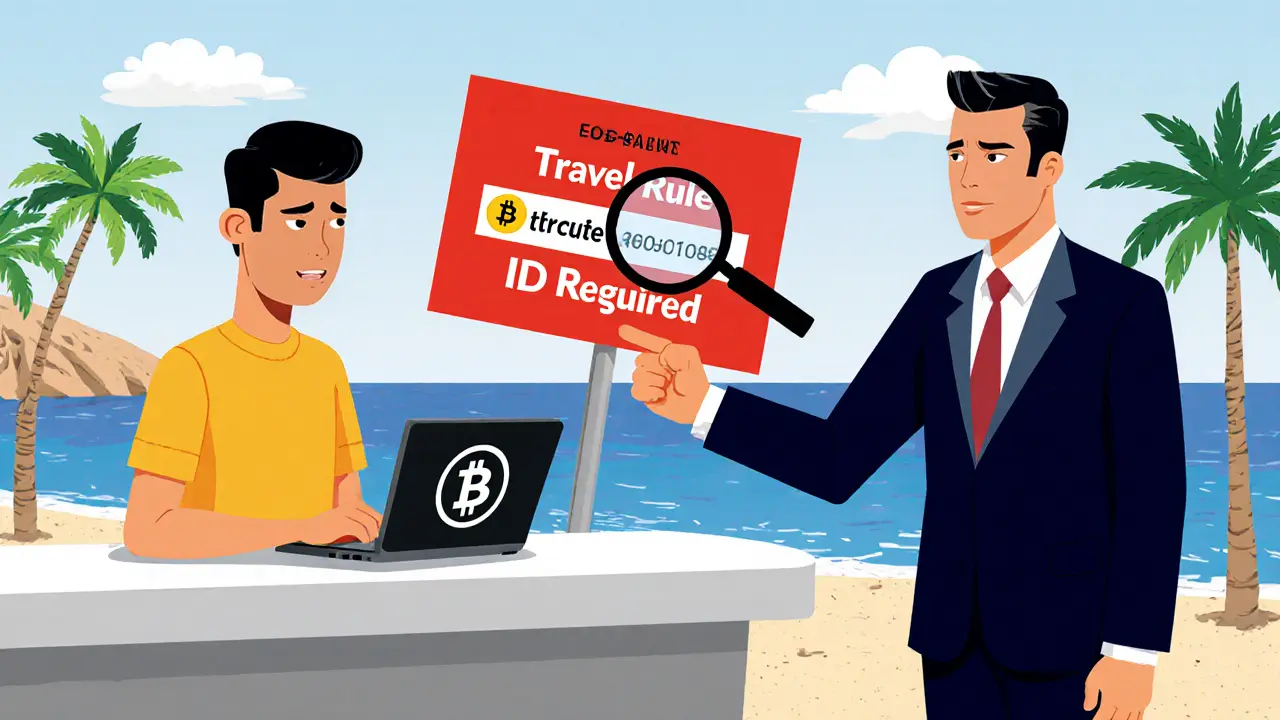
Cyprus allows crypto but banks impose strict rules under EU MiCA laws. Learn how the Travel Rule, sanctions checks, and dual regulation impact crypto transactions in 2025.