
When it comes to crypto in Ecuador 2025, the legal and practical reality of cryptocurrency use in Ecuador as of 2025, marked by unofficial adoption despite no formal regulatory framework. Also known as Ecuadorian cryptocurrency use, it’s not about government approval—it’s about people finding ways to send money, protect savings, and access global markets when the local system fails. Unlike countries that ban crypto outright or make it legal tender, Ecuador sits in the gray zone. The central bank doesn’t recognize Bitcoin or Ethereum as money, but it also hasn’t moved to shut down exchanges or punish users. That’s not an accident. It’s a quiet acceptance born out of necessity.
What drives this? stablecoins, digital assets pegged to the U.S. dollar or other stable currencies, used to bypass inflation and banking restrictions. Also known as USDT, USDC, these tokens are the real backbone of crypto use in Ecuador. People use them to send money to family abroad, buy goods online, or even pay for services when the local currency loses value fast. You won’t see ads for crypto on TV, but you’ll find it in WhatsApp groups, local shops that accept USDT, and remittance corridors from the U.S. and Spain. And it’s not just tech-savvy youth—grandparents are learning how to use wallets because their pensions don’t stretch far enough.
Then there’s Bitcoin, the original cryptocurrency, used in Ecuador primarily as a store of value and cross-border payment tool. Also known as BTC, it’s not mined locally in any meaningful way, and there are no Bitcoin ATMs in major cities. But people still buy it through peer-to-peer platforms like Paxful and LocalBitcoins, often using cash deposits or bank transfers. Why? Because when inflation hits 10% or more, holding dollars in a bank feels risky. Holding Bitcoin? It’s risky too—but it’s a risk people are willing to take.
And what about regulation? The government hasn’t passed a crypto law. No tax rules. No licensing for exchanges. That’s not because they’re lazy—it’s because they’re stuck. Ecuador’s economy is fragile, and any move to regulate crypto could trigger capital flight or public backlash. So they watch. Meanwhile, users keep using. This isn’t a revolution. It’s a workaround. And in 2025, that’s enough.
What you’ll find below are real, current insights into how crypto actually works in Ecuador—not theory, not hype, not promises of future laws. It’s about people using crypto to survive, send money home, and stay financially independent. You’ll see what’s working, what’s risky, and what’s quietly becoming normal. No fluff. No guesses. Just what’s happening now.
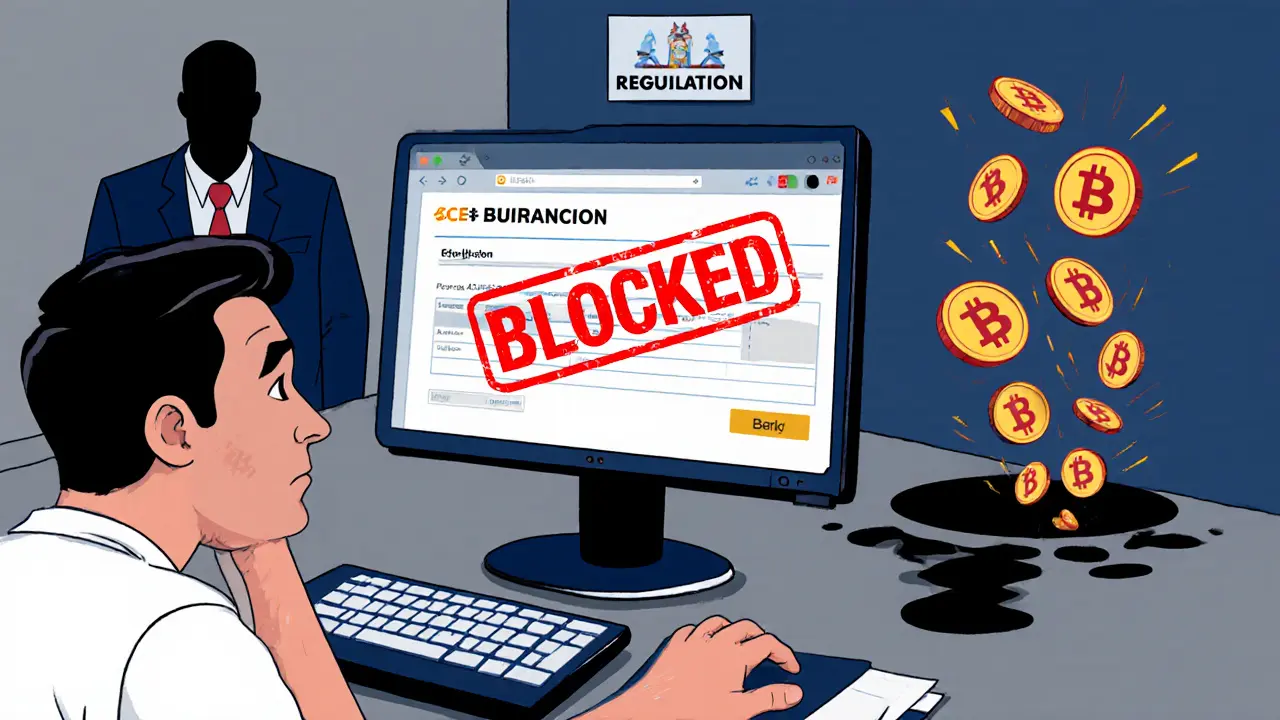
Ecuador bans banks from handling crypto transactions, forcing users into risky P2P workarounds. Learn how the ban works, who it hurts most, and what’s changing in 2025.