
When evaluating Crypto Mining vs Staking, the comparison between mining (Proof of Work) and staking (Proof of Stake) as ways to earn crypto rewards. Also known as mining vs staking, it helps investors decide where to put their capital. Crypto mining vs staking isn’t just a buzzword duel; it’s about energy use, hardware costs, and long‑term upside. Understanding the two sides starts with the basics: Proof of Work, a consensus method where miners solve cryptographic puzzles to add blocks and earn block rewards versus Proof of Stake, a system that selects validators based on the amount of tokens they lock up as collateral. While PoW rewards come from newly minted coins and transaction fees, PoS rewards grow from staking yields and network fees. Both aim to secure the blockchain, but they do it in very different ways, influencing everything from environmental impact to potential profit margins.
Beyond the core mechanisms, a few related entities shape the landscape. Validator networks, groups of token holders who run nodes to confirm transactions in PoS systems are the backbone of staking ecosystems, offering regular payouts to participants. In contrast, mining hardware, specialized ASIC or GPU rigs used for PoW mining drives the cost side of mining, with electricity bills and equipment depreciation eating into earnings. Meanwhile, yield farming, the practice of moving assets across DeFi protocols to chase higher APY often borrows the staking concept but adds layers of smart‑contract risk and impermanent loss. When you stack these entities together, you see clear semantic connections: crypto mining vs staking influences validator networks, mining hardware determines PoW feasibility, and yield farming repurposes staking rewards for higher yields.
So, which path fits you? If you have cheap electricity, love tinkering with rigs, and can tolerate hardware wear‑and‑tear, PoW mining might still be attractive, especially for newer, less‑competitive chains. If you prefer a hands‑free approach, enjoy holding tokens, and want predictable income, staking on a reputable validator network offers steady yields without the noise of heat and noise. Both routes face risks: price volatility, regulatory shifts, and network upgrades can swing returns dramatically. The collection below dives deeper into each side, from airdrop case studies and DEX reviews to practical guides on setting up a validator or choosing mining equipment. Keep reading to find the detailed breakdowns and real‑world examples that will help you decide where to allocate your resources.
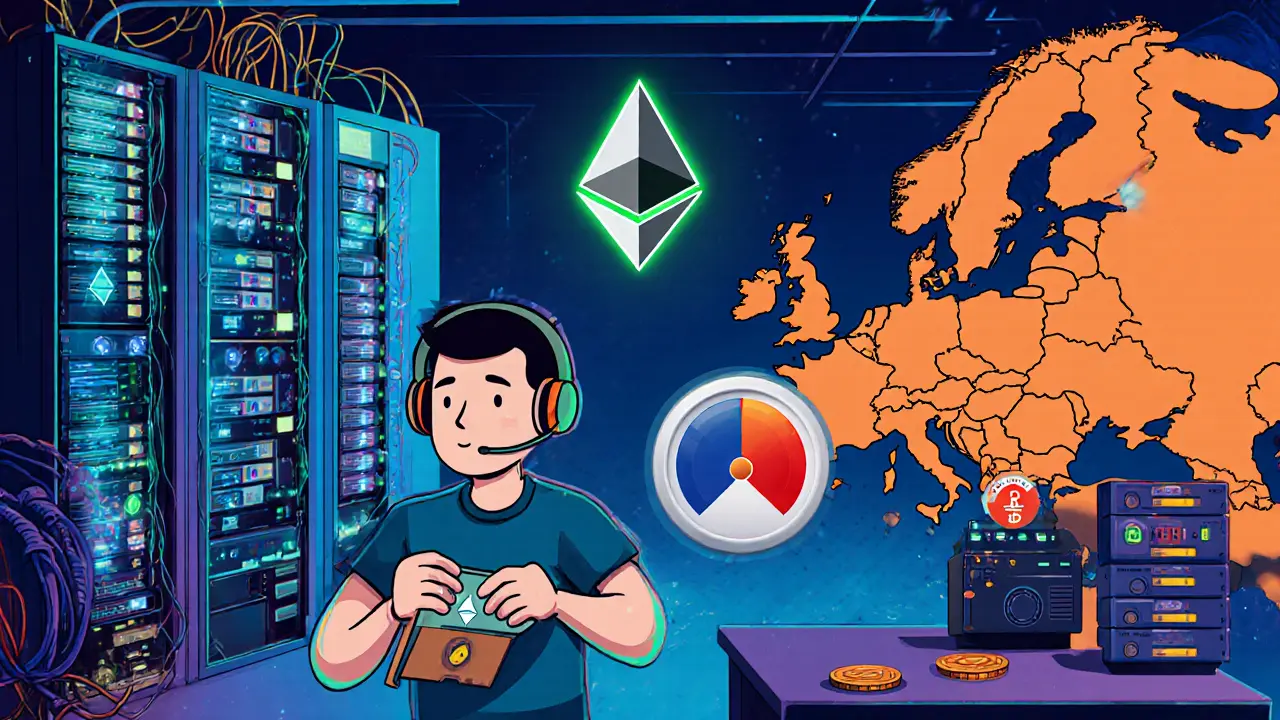
Explore how Ethereum moved from energy‑hungry mining to efficient staking, why The Merge matters, and how you can start earning rewards today.