
When it comes to crypto regulation Nigeria, the set of laws and policies governing how Nigerians buy, sell, and use digital currencies. Also known as Nigerian cryptocurrency laws, it has gone from outright bans to a tense, evolving middle ground. In 2021, the Central Bank of Nigeria shut down bank accounts linked to crypto exchanges. But that didn’t stop people—it just pushed them to peer-to-peer trading, stablecoins, and offshore platforms. Today, over 30 million Nigerians hold crypto, making it one of the highest adoption rates in Africa, despite the legal gray zone.
What’s really happening? The government isn’t against crypto itself—it’s scared of losing control. The CBDC Nigeria, the digital version of the Nigerian naira being developed by the Central Bank. Also known as eNaira, it’s meant to replace cash and reduce reliance on foreign currencies like the US dollar. But eNaira hasn’t caught on like they hoped. Meanwhile, Bitcoin and USDT are filling the gap for remittances, savings, and small business payments. People aren’t breaking rules—they’re working around them. And the regulators? They’re watching, debating, and slowly realizing they can’t stop what the people already use.
Then there’s crypto taxation Nigeria, how the government plans to collect taxes on crypto gains and transactions. Also known as digital asset tax Nigeria, it’s still unclear if profits from trading are treated like capital gains or ordinary income. The Federal Inland Revenue Service has started asking for crypto transaction records, but enforcement is patchy. Many users don’t report, not because they’re hiding—they just don’t know how. That’s why you’ll find guides here on how to track trades, what wallets to use, and how to stay compliant without getting caught in the crosshairs.
What you’ll find below aren’t just news updates. These are real stories from Nigerian traders, breakdowns of recent policy shifts, and comparisons to countries like Egypt and Bangladesh that faced the same battle. You’ll see how people use stablecoins to send money home, how local exchanges adapt to banking restrictions, and what happens when the Central Bank changes its mind again. No fluff. No theory. Just what’s working, what’s risky, and what’s coming next.
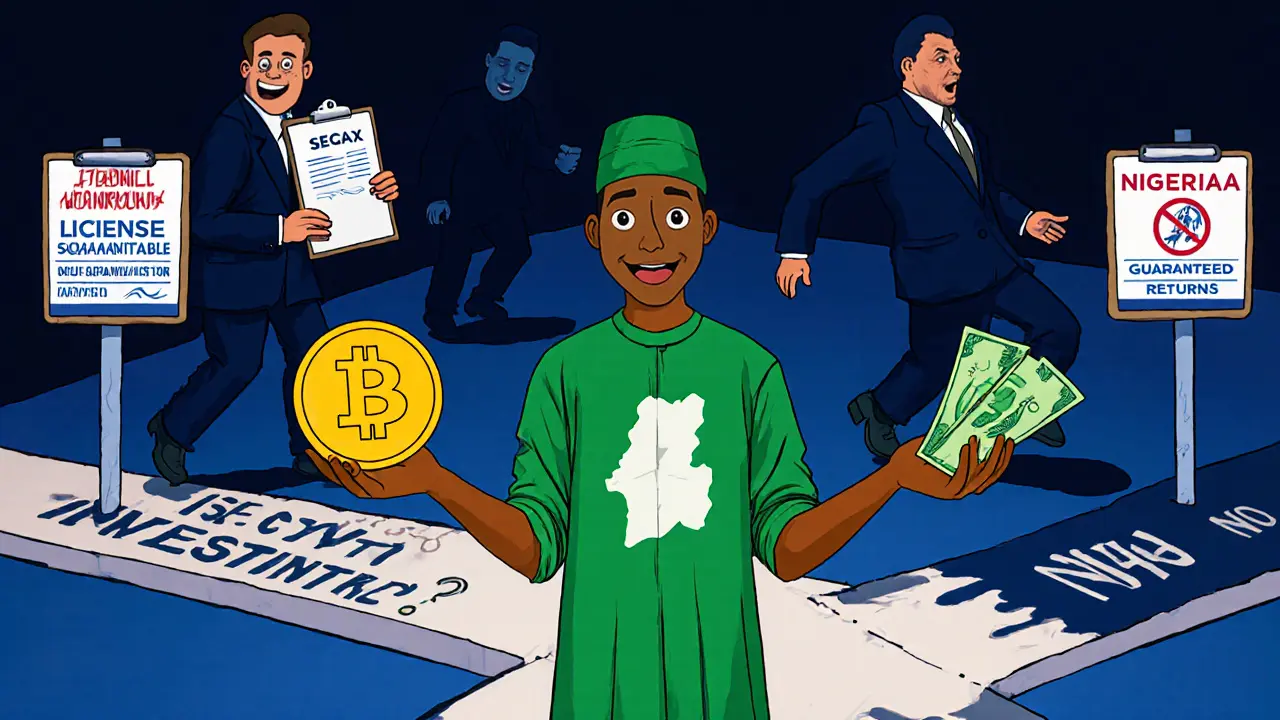
In 2025, Nigeria legalized cryptocurrency under new securities law, making it regulated but not legal tender. The SEC now oversees exchanges, taxes apply from 2026, and unlicensed platforms face shutdowns. Here's what you need to know.