
When it comes to crypto regulations 2025, the evolving legal framework governing cryptocurrency use, trading, and taxation across countries. Also known as digital asset laws, these rules now determine whether you can trade freely, earn staking rewards, or even hold Bitcoin without legal risk. This isn’t about theory—it’s about what happens to your money if you ignore it.
Across the world, governments are moving fast. In Morocco, a country that currently bans crypto trading with fines up to $50,000. Also known as Bank Al-Maghrib crypto rules, its 2025 shift toward legalization means you’ll soon need licensed exchanges to trade legally. Meanwhile, Nigeria, where the SEC now oversees crypto exchanges and taxes kick in from 2026. Also known as crypto regulation Nigeria, it’s becoming one of Africa’s most structured markets—even as users still rely on P2P networks to bypass restrictions. And in Ecuador, banks are banned from handling crypto, forcing users into risky peer-to-peer deals. Also known as crypto in Ecuador 2025, this ban hasn’t stopped adoption—it just pushed it underground. These aren’t isolated cases. They’re part of a global pattern: regulation is no longer optional, it’s inevitable.
What does this mean for you? If you’re staking tokens, mining Bitcoin, or trading on a small DEX, you’re already in the crosshairs. The Investment and Securities Act 2025, a U.S.-style framework redefining how digital assets are classified and traded. Also known as GENIUS Act, it’s pushing brokers to hold crypto in approved custody solutions—meaning unregulated platforms will vanish. Countries like Bolivia and Bangladesh are catching up too. Bolivia’s penalties are strict, but users still trade stablecoins for remittances. Bangladesh’s ban hasn’t stopped 3.1 million people from using crypto—because they have no other choice. The law doesn’t always match reality, but the fines still apply.
What you’ll find below aren’t vague opinions or guesswork. These are real cases: the crypto exchange that got shut down for lacking audits, the airdrop that never existed, the mining rig that lost money because it was used, the country that banned banks but still has millions of users. Every post here is pulled from real data—no fluff, no hype. You’ll learn where the risks are, where the rules are changing, and how to protect yourself before you lose money to a law you didn’t know existed.
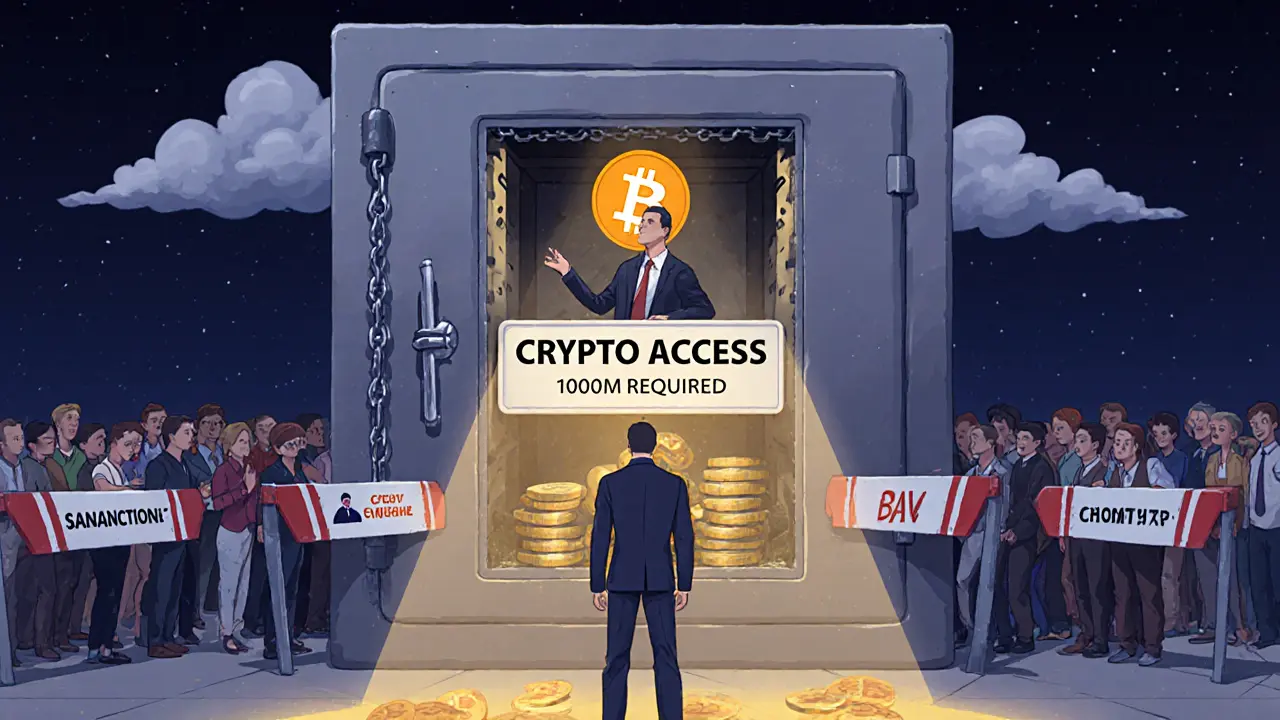
Russian citizens face severe crypto restrictions in 2025: only the ultra-rich can trade legally. Most rely on P2P and VPNs, risking bank freezes and scams. The system favors sanctioned trade over personal freedom.