
When it comes to crypto restrictions in Russia, a complex mix of legal bans, gray-area allowances, and underground workarounds that define how Russians interact with digital assets. Also known as Russian cryptocurrency regulations, these rules don’t outright outlaw owning Bitcoin or Ethereum—but they make using them in daily life extremely difficult. The Central Bank of Russia has pushed hard to kill crypto payments, calling them a threat to financial stability. Banks are forbidden from processing crypto transactions, and exchanges can’t legally operate within the country. But owning crypto? That’s still technically legal—if you don’t try to spend it or convert it through official channels.
That’s where crypto mining Russia, a surprisingly active underground industry that thrives despite government pressure. Also known as Russian Bitcoin mining, it’s one of the few crypto activities still growing. Thanks to cheap electricity in Siberia and remote regions, miners keep running rigs, often hiding their operations from tax authorities. The government has tried to crack down with licensing schemes and power quotas, but enforcement is spotty. Many miners operate under the radar, selling their hash power overseas or converting coins into cash via peer-to-peer networks. Meanwhile, crypto trading Russia, has shifted entirely to informal markets. Also known as P2P crypto trading, it’s now the only way most Russians buy and sell digital assets. Platforms like LocalBitcoins and Telegram groups have become the new banks. People trade USDT for rubles in person, through bank transfers disguised as gifts, or via crypto ATMs that don’t ask questions. The risk? High. The reward? Access to stable value when the ruble drops. The government’s stance hasn’t changed: crypto isn’t legal tender, and using it to pay for goods is punishable. But in practice, enforcement targets big operators—not everyday users.
What’s missing from official reports is how deeply crypto is woven into daily survival. With Western sanctions cutting off access to global payment systems, crypto has become a lifeline for small businesses, freelancers, and families sending money abroad. Stablecoins like USDT are the real currency now—not Bitcoin. And while the state wants to control everything, it can’t stop the flow. The result? A quiet, resilient underground crypto economy that keeps running, even as laws tighten. Below, you’ll find real breakdowns of banned platforms, legal gray zones, mining realities, and how Russians are staying connected to the global crypto world—without getting caught.
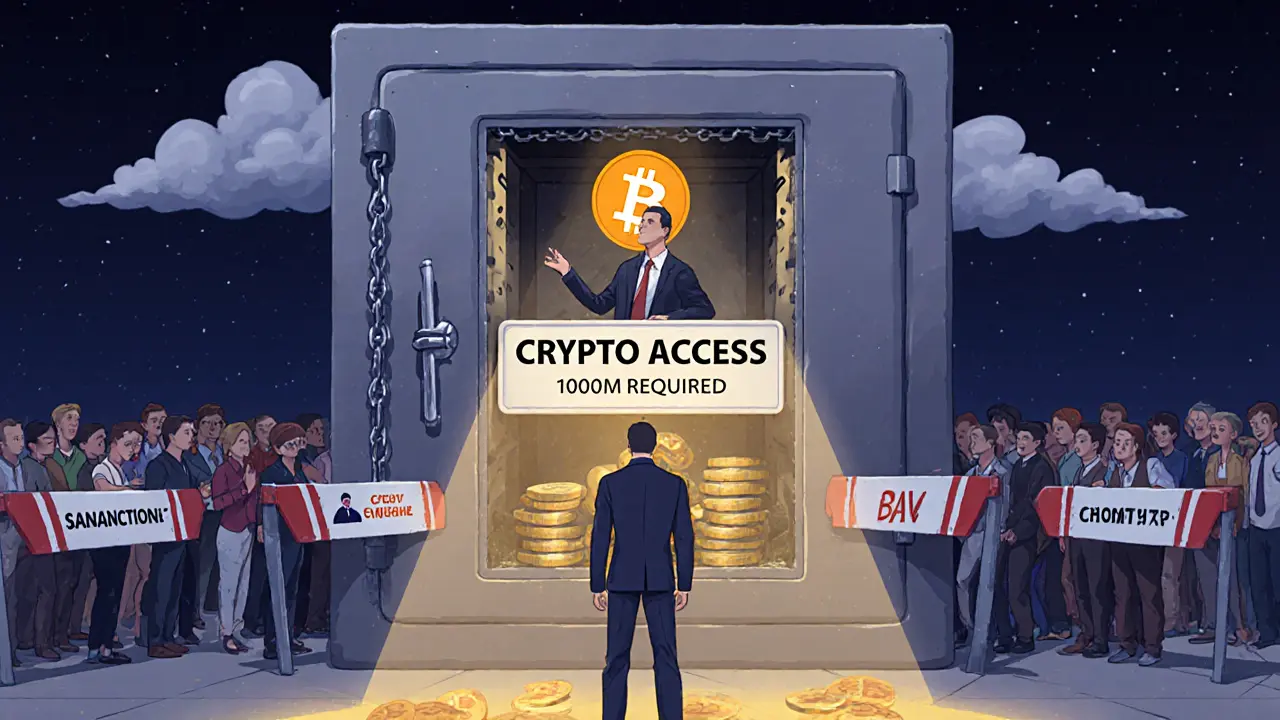
Russian citizens face severe crypto restrictions in 2025: only the ultra-rich can trade legally. Most rely on P2P and VPNs, risking bank freezes and scams. The system favors sanctioned trade over personal freedom.