
When you send crypto from one exchange to another in Cyprus, the crypto travel rule, a global AML requirement that forces exchanges to share sender and receiver info on transfers above €1,000 kicks in. It’s not optional. It’s not a suggestion. It’s part of the FATF travel rule, a global standard set by the Financial Action Task Force to stop money laundering through digital assets—and Cyprus, as an EU member, enforces it strictly. This rule doesn’t just apply to big institutions; if you’re using a crypto exchange based in Cyprus, your personal transactions are affected too.
The AML crypto Cyprus, anti-money laundering rules that require crypto businesses to verify users and track transactions ties directly into this. Exchanges operating in Cyprus must collect and store names, IDs, wallet addresses, and transaction details for every transfer over €1,000. That means if you’re sending USDT to a friend’s Binance wallet from a Cypriot platform, both sides need to be verified. If they’re not, the transaction gets blocked. This isn’t about privacy—it’s about compliance. And while some users see this as overreach, the reality is that Cyprus is aligning with the entire EU’s crypto regulations Cyprus, a unified framework under MiCA that standardizes how digital assets are handled across member states. You can’t opt out. You can’t work around it with P2P alone—because if the exchange you’re using is regulated, they’re legally required to enforce it.
What does this mean for you? If you’re trading on a Cypriot exchange, expect more paperwork. If you’re sending crypto to someone outside the EU, be ready for delays or rejections. And if you’re running a crypto business in Cyprus, you’re looking at audits, staff training, and real-time monitoring tools. The rule doesn’t stop at exchanges—it reaches wallets, OTC desks, and even some DeFi bridges that connect to regulated platforms. The crypto travel rule isn’t going away. It’s getting tighter. And Cyprus is one of the first places in Europe where it’s being applied with real teeth. Below, you’ll find real examples of how this rule impacts users, what exchanges are doing to comply, and how similar rules are playing out in other countries—so you know what to expect next.
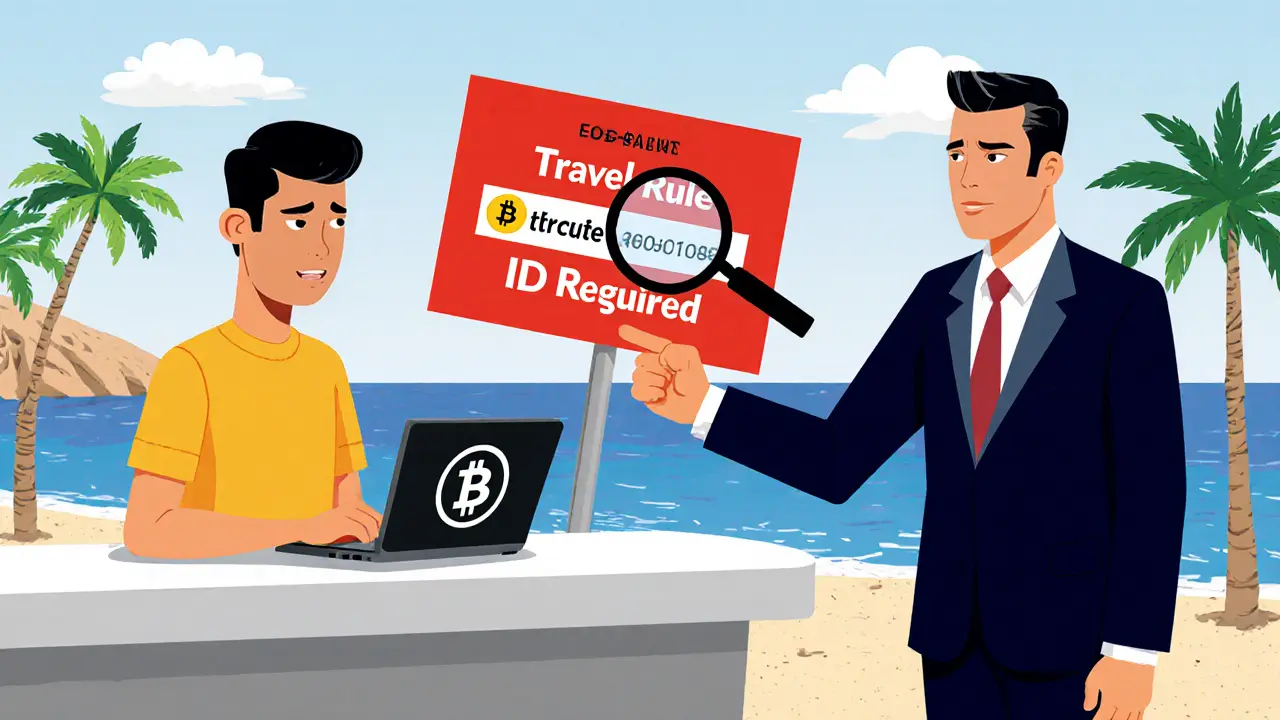
Cyprus allows crypto but banks impose strict rules under EU MiCA laws. Learn how the Travel Rule, sanctions checks, and dual regulation impact crypto transactions in 2025.