
When it comes to cryptocurrency legal status in Nigeria, the official stance from the Central Bank of Nigeria has been restrictive, but real-world usage tells a different story. Also known as Nigeria crypto regulation, this topic isn’t about whether crypto is banned—it’s about how people keep using it anyway. The Central Bank of Nigeria shut down bank accounts tied to crypto exchanges in 2021, and later issued warnings that trading crypto was risky and not protected by law. But here’s the twist: millions of Nigerians still buy, sell, and hold Bitcoin and other tokens. Why? Because crypto solves real problems—like sending money home cheaply, protecting savings from inflation, and accessing global markets when traditional banking fails.
It’s not just about Bitcoin. People use stablecoins like USDT to pay for goods, fund small businesses, and even get paid for remote work. The Central Bank of Nigeria, the country’s main financial regulator. Also known as CBN, it has never outright legalized crypto, but it also hasn’t fully stopped it. Meanwhile, crypto trading laws Nigeria, are still unclear and inconsistently enforced. Also known as Nigeria crypto rules, they exist mostly as warnings, not jail time. You won’t find a law that says "you can’t trade crypto," but you will find banks that refuse to process those transactions. That’s why peer-to-peer platforms like Paxful and Binance P2P exploded in popularity. Nigerians trade directly with each other using mobile money, bank transfers, and cash—no middleman needed.
And then there’s the tax angle. The Federal Inland Revenue Service says crypto gains are taxable, but most users don’t report them—not because they’re hiding, but because there’s no clear system to do so. This gray zone is where the real action is. The government knows crypto is here to stay. Some officials have hinted at future regulation, maybe even licensing exchanges. But until then, the market moves on its own terms.
What you’ll find below are real stories and breakdowns of how Nigerians navigate this space—what works, what gets blocked, and what’s changing fast. No fluff. Just facts from people living it every day.
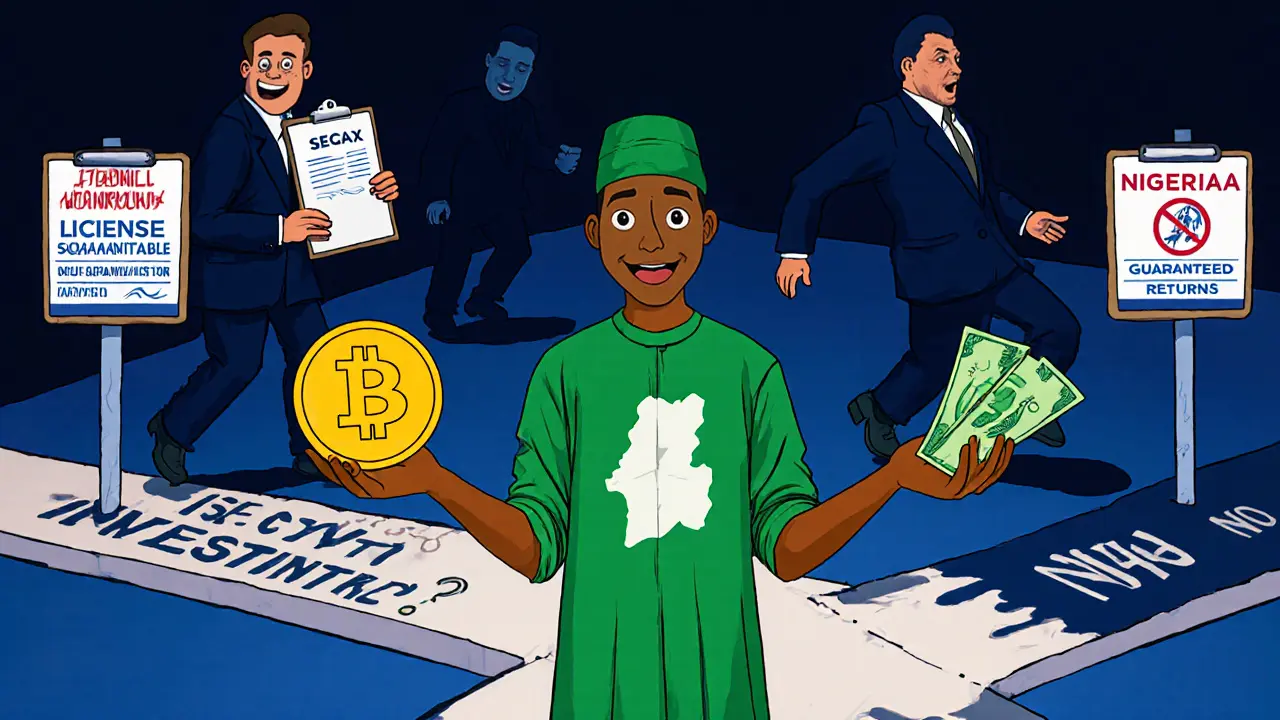
In 2025, Nigeria legalized cryptocurrency under new securities law, making it regulated but not legal tender. The SEC now oversees exchanges, taxes apply from 2026, and unlicensed platforms face shutdowns. Here's what you need to know.