
When you hear dApps, decentralized applications that run on blockchain networks without a central authority. Also known as decentralized apps, they let you trade, lend, game, or vote—without needing a company to approve your actions. Unlike regular apps, dApps don’t rely on servers controlled by one business. Instead, they run on code stored across thousands of computers, making them harder to shut down or censor. That’s why people use them for things like swapping tokens, betting on sports, or earning crypto just for playing games.
But not every dApp is created equal. Some, like SushiSwap, a decentralized exchange on Polygon that lets users trade crypto with low fees and earn rewards through staking, actually work well in practice. Others, like YFX, a perpetuals platform that vanished without a team or liquidity, are ghost projects with no users and no future. The difference? Real dApps have active users, clear code, and ongoing development. Fake ones rely on hype, empty promises, and airdrop scams.
Smart contracts are the engine behind most dApps. These are self-executing agreements coded directly into the blockchain. They handle trades, payouts, and rules automatically—no human needed. But if the code has a flaw, money can disappear. That’s why many dApps fail: they’re built fast, tested poorly, and abandoned when the hype dies. Look for projects with public GitHub repos, active Discord channels, and real trading volume. If a dApp claims to be the next big thing but has zero users, it’s probably just a front for a rug pull.
Most dApps today live on Ethereum, Polygon, or BSC. Each has trade-offs: Ethereum is secure but expensive, Polygon is fast and cheap, and BSC has tons of low-quality tokens. Your choice depends on what you’re doing. Want to swap stablecoins? Polygon’s SushiSwap works fine. Want to trade high-leverage derivatives? Avoid platforms like YFX that vanished overnight. And if you see an airdrop tied to a dApp with no history—skip it. The WSG, LNR, and WagyuSwap airdrops had real rules and limited distributions. Most others? Just traps.
Regulators are starting to pay attention. The SEC doesn’t care about the tech—it cares about unregistered token sales. If a dApp issues a token without a clear use case, it’s likely to get fined. That’s why some platforms, like DeFiChain or BitFex, disappear: they never had legal footing. The ones that survive are transparent, audited, and built for real use—not speculation.
What you’ll find below aren’t just reviews. They’re post-mortems. We’ve dug into dApps that promised the moon and delivered nothing. We’ve tracked down which ones still work, which ones are scams, and which ones are quietly building something real. No fluff. No hype. Just facts about what’s alive, what’s dead, and what you should avoid.
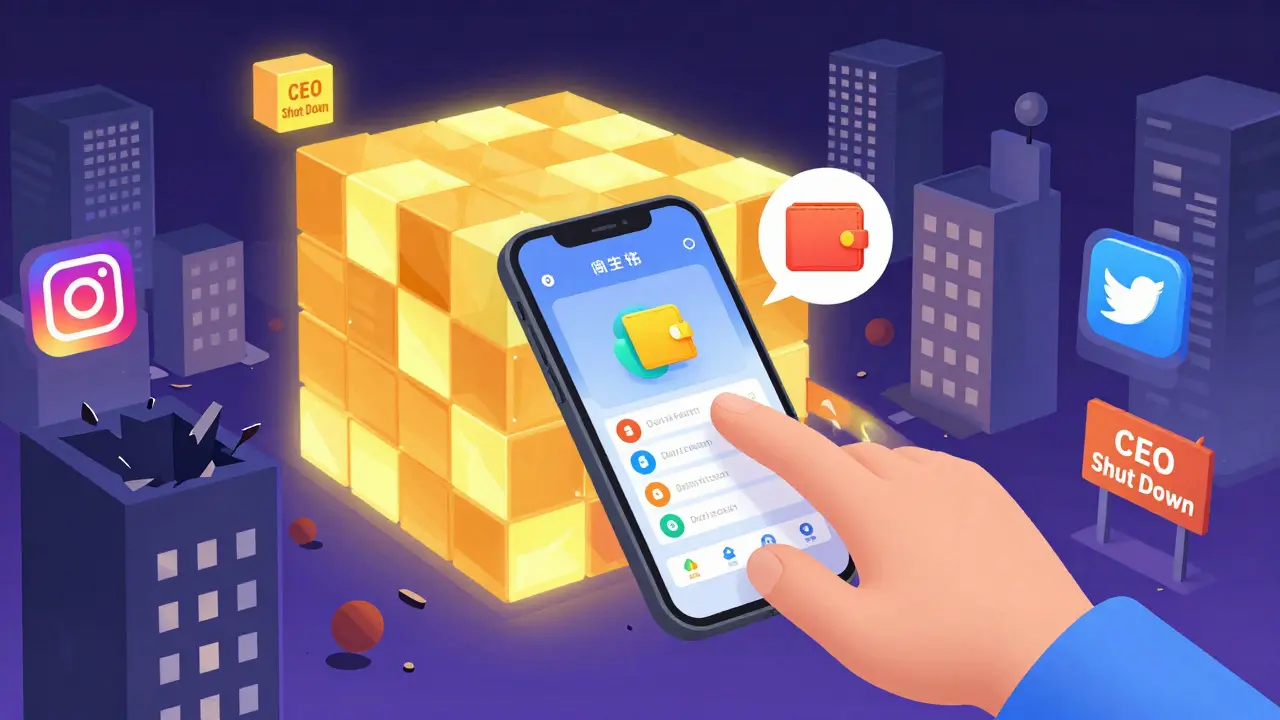
Decentralized applications (dApps) are apps that run on blockchains instead of central servers. They offer transparency, user control, and censorship resistance - no company can shut them down. Used in DeFi, NFTs, and social media, they're key to Web3.