
Ethereum Gas Fee Estimator
Calculate estimated transaction fees for Ethereum transactions based on current network conditions. Gas fees vary depending on network congestion, transaction type, and blockchain activity.
Estimated Gas Fee
ETHCurrent Network: Ethereum Mainnet
Estimated transaction time: ~2-5 minutes
Note: Gas fees represent the cost of processing your transaction on the Ethereum blockchain. Higher congestion means higher fees as users compete for block space.
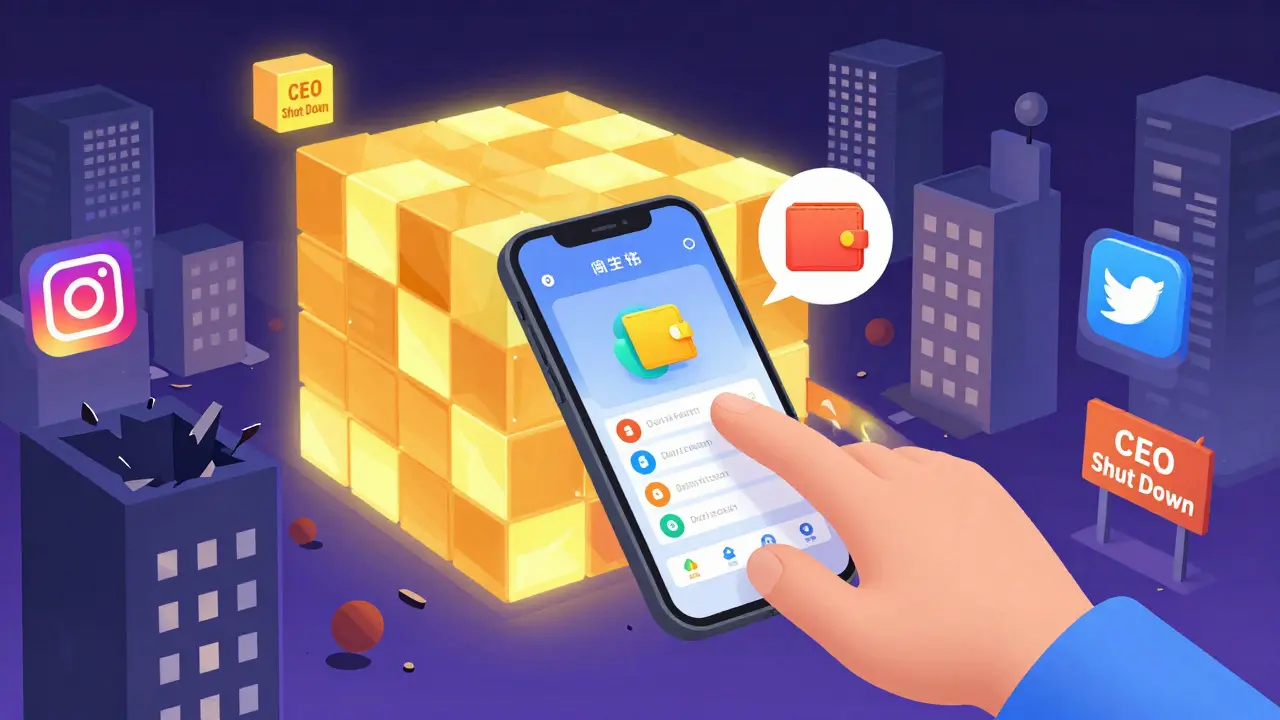
Imagine an app that no single company owns, can't be shut down by a CEO, and doesn't need you to log in with a password. That's what a decentralized application - or dApp - is. Unlike the apps on your phone that run on servers controlled by Google, Apple, or Meta, dApps run on blockchains. They don't answer to one boss. They don't store your data in a hidden database. And once they're live, they can't be easily changed or taken down. This isn't science fiction. It's happening right now, with millions of people using dApps every day.
How dApps Are Different From Regular Apps
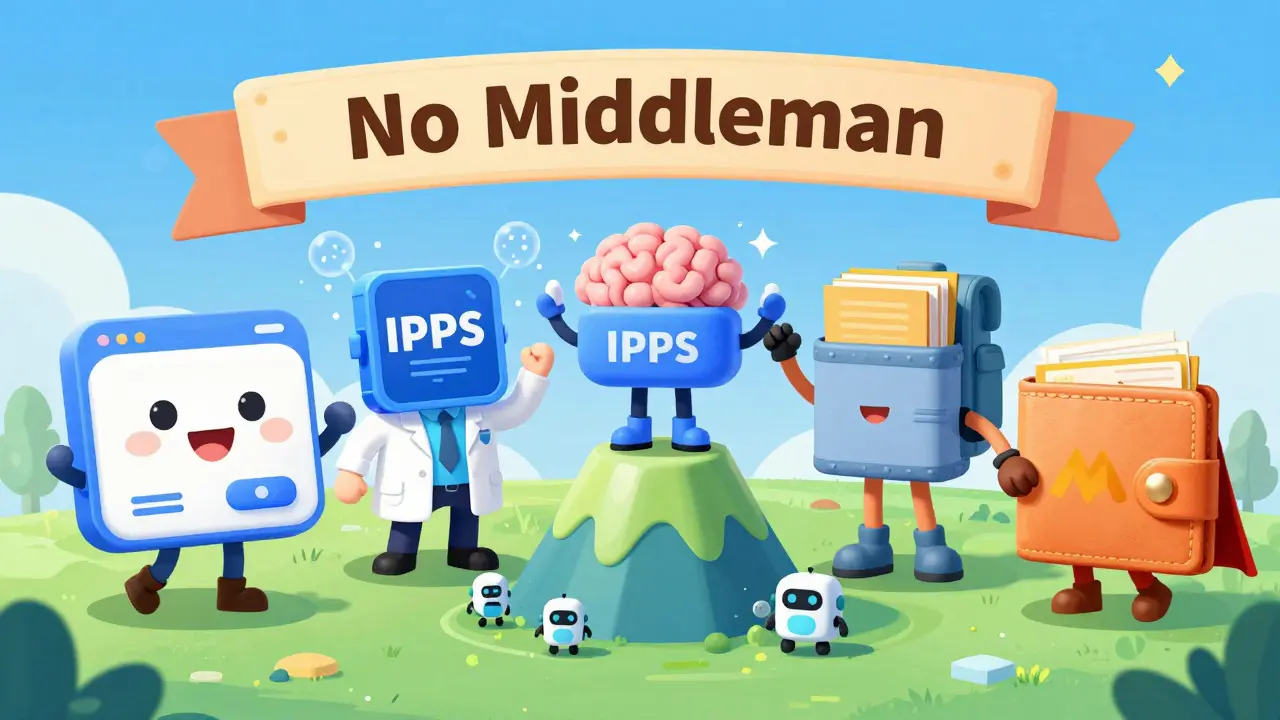
Think about Instagram or Twitter. If the company decides to delete your post, ban your account, or change the rules, you have little to no say. Their servers are in their control. Now imagine a version of Twitter where no one can delete your tweets - not even the person who built it. That’s what a dApp does. It removes the middleman. Traditional apps rely on centralized servers. Your data, your login, your payments - all go through one company’s system. dApps flip that. Their backend code runs on a blockchain, which means thousands of computers (called nodes) around the world are running the same code at the same time. No single point of failure. No single person in charge. This isn’t just about control. It’s about trust. With regular apps, you have to trust the company not to misuse your data, not to go bankrupt, not to get hacked. With dApps, you don’t need to trust anyone. The code enforces the rules. If a smart contract says you’ll get paid when a condition is met, it happens - automatically, without a human stepping in.The Building Blocks of a dApp
A dApp isn’t magic. It’s built from five key parts:- Frontend - This is what you see. It looks like any website or mobile app, built with HTML, JavaScript, or React. You interact with it the same way.
- Smart contracts - These are the brains. Written in languages like Solidity (mostly on Ethereum), they’re self-executing rules stored on the blockchain. If you send 1 ETH to a contract, it might automatically send you a token. No customer service needed.
- Decentralized storage - Instead of storing files on Amazon’s servers, dApps use tools like IPFS or Arweave. Your photos, videos, or NFT metadata live across a network of computers, not in one company’s warehouse.
- Blockchain network - This is the foundation. Ethereum is the most popular, but Solana, Polygon, and Binance Smart Chain are also used. This is where transactions are verified and recorded.
- Cryptocurrency wallet - You don’t log in with an email. You connect your wallet - like MetaMask or Phantom. Your wallet holds your crypto, signs transactions, and proves you own your data.
That’s it. No usernames. No passwords. No “Forgot your password?” emails. Just your wallet and the blockchain.
Where You’ll Find dApps Today
Most dApps fall into a few main categories:- Decentralized Finance (DeFi) - This is the biggest use case. Apps like Aave and Uniswap let you lend, borrow, or trade crypto without a bank. In Q3 2023, DeFi made up about 60% of all dApp activity.
- NFT Marketplaces - OpenSea and Blur let you buy and sell digital art, collectibles, and virtual land. These are dApps because ownership is recorded on-chain, not in a company’s database.
- Web3 Social Media - Platforms like Lens Protocol or Mastodon on blockchain let you own your profile and content. No algorithm can shadowban you. No corporation can sell your data.
- Gaming - Games like Axie Infinity let you earn crypto by playing. Your in-game items aren’t just pixels - they’re real assets you can sell.
- Voting and Governance - Some dApps let token holders vote on changes. The more tokens you hold, the more votes you get. It’s democracy, but on code.
As of late 2023, there were over 12,000 active dApps across major blockchains. Ethereum still leads with more than half of them, but others like Solana and Polygon are growing fast because they’re faster and cheaper to use.
Why dApps Are Hard to Use - And Why That’s Changing
Let’s be honest: using a dApp isn’t as simple as tapping “Sign in with Google.” You need a wallet. You need crypto to pay for transactions (called gas fees). You need to understand what a smart contract does before you click “Approve.” That’s a high barrier for most people. And it’s not just user experience. Blockchains have limits. Ethereum can handle only 15-30 transactions per second. Visa handles 24,000. That’s why DeFi apps sometimes freeze during big price swings. That’s why you wait minutes for a simple trade. But things are improving. Ethereum switched to Proof-of-Stake in 2022, cutting energy use by 99.95% and improving speed. New chains like Solana and Avalanche are built for speed. Wallets are getting smarter - some now let you pay gas fees in any token, not just ETH. And tools like Chainlink are bringing real-world data (like stock prices or weather) into smart contracts, opening up new use cases.The Risks and Downsides
dApps aren’t perfect. Here’s what can go wrong:- Smart contract bugs - If the code has a flaw, money can be stolen. In 2022, the Ronin Network hack lost $625 million because of a vulnerability in a smart contract. Once code is live, you can’t fix it easily.
- Scams - Fake dApps look just like real ones. If you connect your wallet to a malicious site, you could lose everything.
- Regulation - Governments are still figuring out how to treat dApps. Some countries ban them. Others are trying to regulate them like banks.
- Volatility - If you’re using a dApp that pays you in crypto, your earnings can swing wildly in value.
But here’s the thing: these risks aren’t unique to dApps. Banks get hacked. Tech companies leak data. The difference is, with dApps, you’re responsible for your own security. No customer service line to call when you mess up.

What’s Next for dApps?
dApps are the backbone of Web3 - the next version of the internet where users own their data and digital assets. By 2026, experts predict dApps will handle over $100 billion in transactions annually. We’re already seeing the shift. More people are using crypto wallets than email accounts in some countries. Institutions like Goldman Sachs and JPMorgan are exploring dApps for clearing payments. Governments are testing blockchain-based voting systems. The goal isn’t to replace every app. You won’t see a dApp version of TikTok tomorrow. But for things that need trust, transparency, and user control - finance, digital ownership, identity, voting - dApps are the future.How to Get Started
If you want to try a dApp:- Get a wallet. MetaMask (for Ethereum) or Phantom (for Solana) are good starters.
- Buy a little crypto. You’ll need ETH, SOL, or MATIC to pay for transactions.
- Go to a trusted dApp directory like dapp.com or DappRadar.
- Connect your wallet. Never share your seed phrase.
- Start small. Try swapping tokens on Uniswap or lending on Aave with $10.
Don’t expect to master it overnight. But if you understand how dApps work, you’re not just using an app - you’re participating in a new kind of internet.
Are dApps the same as cryptocurrencies?
No. Cryptocurrencies like Bitcoin or Ethereum are digital money. dApps are software programs that run on top of blockchains - often using those cryptocurrencies to function. You use ETH to pay for a dApp, but the dApp itself is the app, not the money.
Can I use dApps without crypto?
Not really. Most dApps require a crypto wallet and some cryptocurrency to pay for transactions on the blockchain. Some platforms are working on abstracting away the complexity - like letting you pay gas fees in fiat - but you’ll still need to link a wallet eventually.
Are dApps safe?
The blockchain itself is very secure - it’s nearly impossible to hack. But dApps are built by humans, and humans make mistakes. A buggy smart contract or a fake dApp can steal your funds. Always check the contract address, read reviews, and never connect your wallet to a site you don’t trust.
Why do dApps need smart contracts?
Smart contracts are the automation engine of dApps. They’re code that runs exactly as written, without human interference. If you deposit money into a lending dApp, the smart contract automatically calculates interest, sends payments, and returns your funds - no bank clerk involved.
Can I build my own dApp?
Yes, but it takes technical skills. You’ll need to learn blockchain basics, write smart contracts (usually in Solidity), use decentralized storage, and understand wallet integration. Many developers spend 3-6 months learning before building their first working dApp. Open-source tools and tutorials make it easier than ever, but it’s not a quick project.
Do dApps work on mobile phones?
Yes. Many dApps have mobile-friendly websites, and wallets like MetaMask and Trust Wallet have mobile apps. You can interact with dApps directly from your phone - just like you would with any other app. Some even offer native mobile apps built on top of blockchain backends.
What’s the difference between dApps and Web3?
Web3 is the broader idea of a decentralized internet - owned by users, not corporations. dApps are one of the main tools that make Web3 real. Think of Web3 as the new internet, and dApps as the apps that run on it.
Whether you're using a dApp to earn interest on your crypto, trade NFTs, or just explore the future of the web, you're part of a shift that’s changing how we interact with technology - one line of code at a time.


Vidyut Arcot
dApps are wild when you think about it - no middlemen, no corporate gatekeepers. I started with a $5 swap on Uniswap and now I’m actually learning Solidity. It’s not magic, just code that works. And yeah, the gas fees suck, but they’re getting better. Keep going, newbies.