
When working with digital commodities, any asset that exists purely in electronic form, recorded on a distributed ledger and tradable without physical delivery. Also known as digital assets, it represents a shift from traditional commodities like gold or oil to token‑based value, you are essentially dealing with a technology‑driven market. In short, digital commodities are reshaping finance by enabling instant, borderless exchange of value. This category includes cryptocurrency, a type of digital commodity that uses cryptography to secure transactions and create scarcity and the underlying blockchain, the decentralized ledger technology that records every transfer and ensures trust without a central authority. Together they form the backbone for tokenized assets, automated contracts, and new financial services.
One of the most visible ways digital commodities create value is through token airdrop, a distribution method where free tokens are sent to holders to boost network adoption and liquidity. Airdrops link directly to DeFi, decentralized finance platforms that let users lend, borrow, and trade without traditional banks, because many DeFi projects launch their native tokens via these giveaways to attract early users. The relationship is clear: digital commodities rely on blockchain for immutability, blockchain enables token airdrops, and token airdrops fuel DeFi ecosystems. Across our collection you’ll see practical reviews of exchanges like ZKSwap and ThunderSwap, step‑by‑step guides on earning MCASH through anonymity mining, and deep dives into token vesting schedules that protect a commodity’s market price.
Regulatory outlook, market cycles, and technical tools also shape the landscape. From India’s crypto tax rules to Bolivia’s trading penalties, the legal environment determines how quickly digital commodities can move across borders. Fee‑estimation tools, smart contract platforms, and validator networks add layers of efficiency and security, while real‑world use cases—like tokenized real estate or cross‑protocol bridges—show that digital commodities are moving beyond speculation. By understanding these pieces—cryptocurrency, blockchain, airdrops, DeFi, and the surrounding infrastructure—you’ll be better equipped to spot opportunities, manage risk, and stay ahead of the rapid innovations that define today’s markets. Below, our curated articles break down each topic with clear examples, actionable steps, and the latest data‑driven insights.
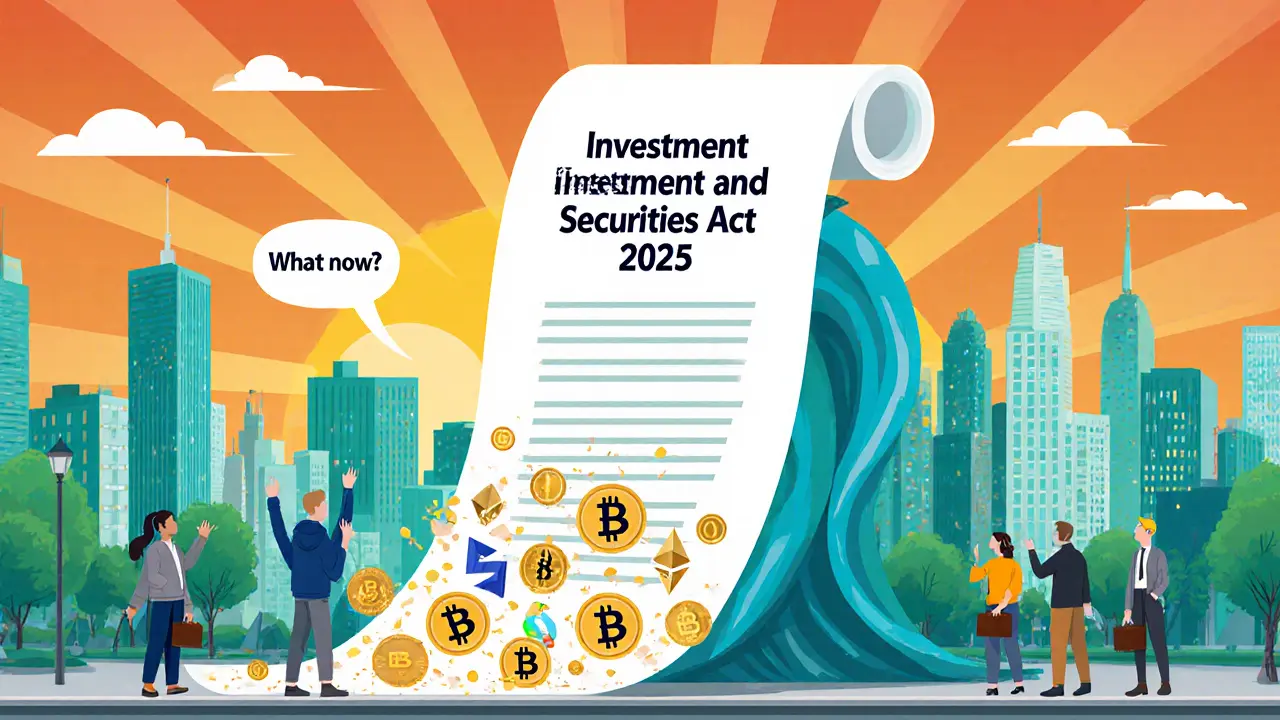
Explore how the 2025 Investment and Securities Act reshapes crypto trading, from asset classification to broker‑dealer rules and custody solutions.