
When Ecuador crypto ban, a government-imposed restriction on cryptocurrency transactions and exchanges enacted in 2018. Also known as the cryptocurrency prohibition in Ecuador, it was meant to protect the national currency and prevent financial instability. But instead of stopping crypto use, it pushed users underground—where it thrived. The ban didn’t shut down Bitcoin or Ethereum. It just made people more careful.
What most people don’t realize is that crypto enforcement in Ecuador, the lack of consistent monitoring and penalties for crypto transactions has been almost nonexistent. While the Central Bank of Ecuador officially forbids digital currencies, there are no known cases of individuals being fined or jailed for owning Bitcoin. Meanwhile, blockchain restrictions Ecuador, the legal barriers preventing banks from interacting with crypto platforms only pushed users toward peer-to-peer apps, stablecoins, and remittance services that bypass the system entirely. People use USDT to send money to family abroad because it’s cheaper and faster than Western Union. No one asks if it’s legal.
Even though the ban is still on the books, the reality is that Ecuador crypto ban is more of a technicality than a rule. Banks won’t process crypto deposits, but local traders meet in cafes, use Telegram groups, and swap tokens through Binance P2P. The government hasn’t cracked down—not because they support crypto, but because they can’t control it. And as inflation rises and the peso weakens, more Ecuadorians see crypto not as a gamble, but as a survival tool.
What you’ll find here aren’t opinions or political takes. These are real stories from people who’ve navigated the gray zone between law and necessity. You’ll see how users avoid detection, which platforms still work, and why a ban that made sense on paper collapsed under real-world use. Whether you’re in Ecuador or just curious about how crypto survives under repression, the posts below show you exactly how it’s done—no fluff, no hype, just what works.
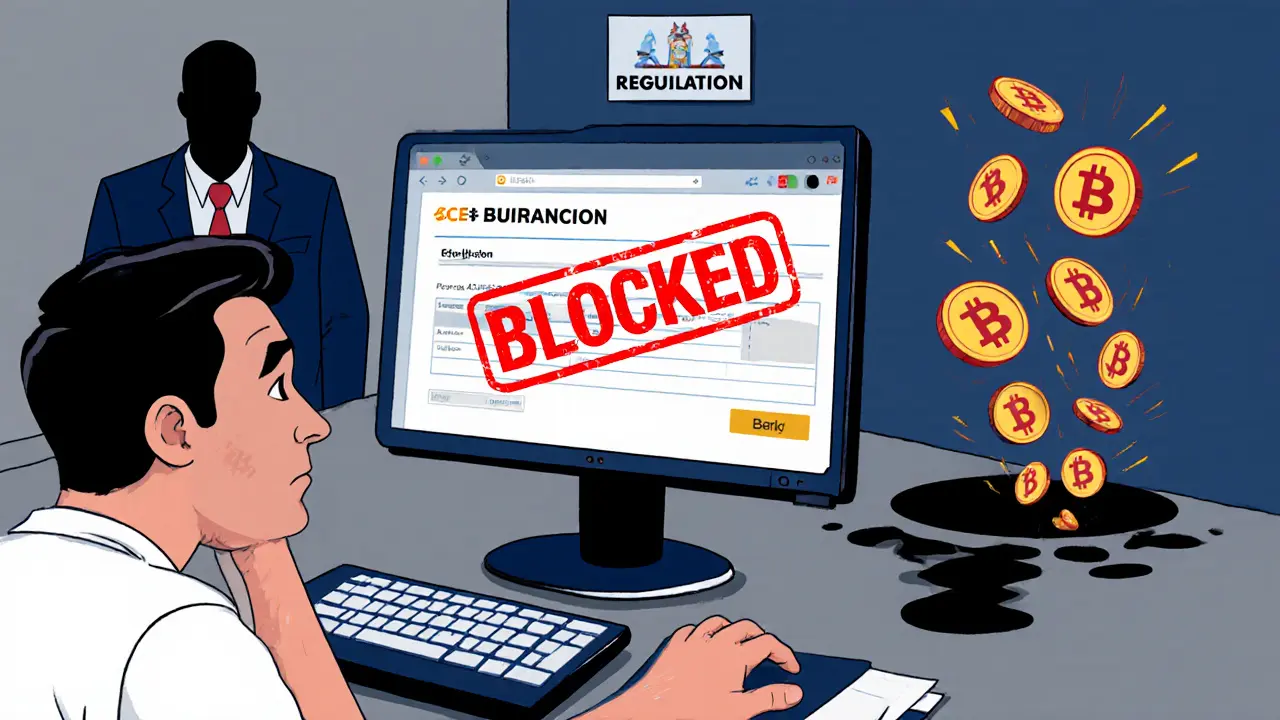
Ecuador bans banks from handling crypto transactions, forcing users into risky P2P workarounds. Learn how the ban works, who it hurts most, and what’s changing in 2025.