
When it comes to Ecuador cryptocurrency laws, the legal framework around digital assets in Ecuador that balances state control with citizen adoption. Also known as crypto regulation in Ecuador, it’s a system where the government stays out of your wallet but keeps a tight grip on banks and exchanges. Unlike countries that ban crypto outright, Ecuador hasn’t made owning Bitcoin or Ethereum illegal. But it also hasn’t given it any official status—no taxes, no protection, no legal recourse if things go wrong.
This gray zone is why millions of Ecuadorians still use crypto. The national currency, the sucre, collapsed years ago. Now, most people rely on the U.S. dollar—but even dollars lose value fast with inflation. That’s where stablecoins, digital tokens pegged to real-world assets like the U.S. dollar to reduce price volatility. Also known as USDT or USDC, they come in. People use them to send money to family abroad, buy groceries online, or save without losing half their savings to inflation. It’s not legal. It’s not regulated. But it works.
The Central Bank of Ecuador doesn’t recognize crypto as money. They’ve warned banks not to touch it. Exchanges can’t operate legally inside the country. But that hasn’t stopped people from using Binance, Coinbase, or peer-to-peer apps like Paxful. You won’t find a crypto ATM in Quito, but you’ll find people trading Bitcoin in cafes using WhatsApp. The government knows. They just don’t have the tools—or the will—to shut it all down.
There’s no formal crypto tax law yet. That doesn’t mean you’re off the hook. If you sell crypto for dollars and make a profit, the tax authority could come after you later. Right now, they’re focused on big businesses, not individuals. But if the economy keeps sliding, expect rules to tighten fast. In 2025, look for pressure to force exchanges into compliance—or ban them completely.
What’s missing? Clear rules on mining. No one’s mining Bitcoin in Ecuador. The electricity costs too much, and the grid’s unreliable. No one’s launching ICOs. No crypto startups are getting licenses. It’s all grassroots. People trade. People send. People survive. And the laws? They’re still playing catch-up.
Below, you’ll find real stories from people navigating this system—how they avoid scams, where they buy crypto safely, and what happens when the bank freezes their account. No fluff. No theory. Just what’s actually happening on the ground in Ecuador right now.
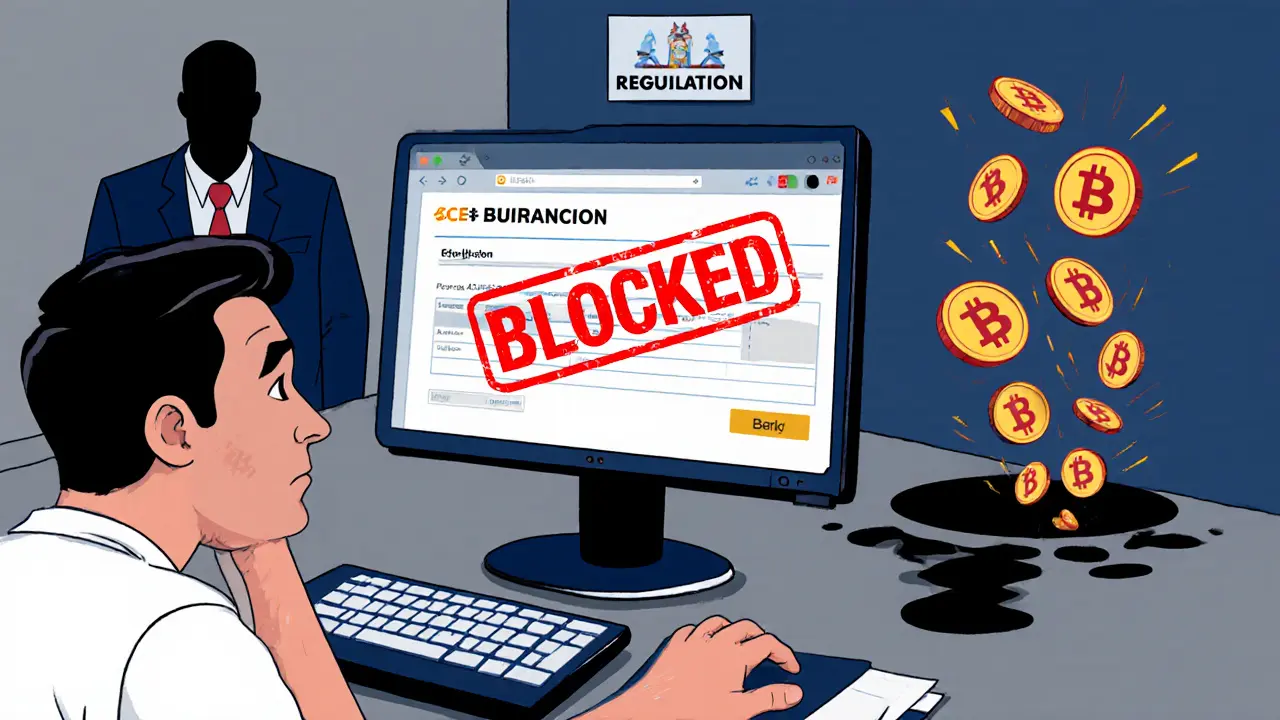
Ecuador bans banks from handling crypto transactions, forcing users into risky P2P workarounds. Learn how the ban works, who it hurts most, and what’s changing in 2025.