
When it comes to Nigeria crypto law 2025, the updated regulatory framework governing cryptocurrency use, trading, and taxation in Nigeria as of 2025. Also known as Nigerian digital asset regulations, it’s no longer about whether crypto is allowed—it’s about how you use it legally. After years of mixed signals from the Central Bank of Nigeria (CBN), the government finally laid down clear rules in early 2025. This isn’t a ban. It’s a framework. And if you’re buying Bitcoin, sending remittances, or holding altcoins in Nigeria, you need to know what’s changed.
The Central Bank of Nigeria (CBN), the country’s monetary authority that issues currency and oversees financial institutions stopped blocking bank accounts for crypto exchanges in 2024, but by 2025, it started requiring all platforms operating in Nigeria to get licensed. That means Binance, Luno, and local exchanges now have to register with the Securities and Exchange Commission (SEC) and follow anti-money laundering rules. If they don’t, they can’t legally process naira deposits or withdrawals. This forced many smaller platforms to shut down—but it also cleaned up the space. Now, you can tell which exchanges are safe to use.
Another big shift? Nigerian cryptocurrency regulations, the official rules defining how digital assets are taxed, reported, and traded under federal law now treat crypto as a taxable asset, not currency. The Federal Inland Revenue Service (FIRS) started tracking crypto transactions through exchange reporting requirements. Every time you sell Bitcoin for naira, trade one token for another, or use crypto to buy goods, you might owe capital gains tax. No more guessing. The system now connects your exchange activity to your tax ID. And yes, the government is auditing large holders.
What about stablecoins? They’re still the backbone of remittances for millions of Nigerians sending money home from abroad. The 2025 rules don’t ban USDT or USDC, but they require exchanges to verify the source of funds. If you’re using stablecoins to pay for services or send money to family, you’ll need to keep records. It’s not about stopping you—it’s about making sure the system isn’t used for fraud.
And then there’s the Nigeria digital currency, the eNaira, the central bank’s official digital version of the naira. Launched in 2021, it’s now being pushed as the official alternative to crypto. But here’s the catch: most people still prefer Bitcoin or USDT because the eNaira is slow, has low limits, and doesn’t work well outside Nigeria. The government hopes it’ll replace crypto—but so far, it hasn’t. People are using both.
What you’ll find in the posts below are real stories from Nigerian traders, breakdowns of which exchanges are still active under the new rules, and how tax filings actually work in practice. No theory. No fluff. Just what’s happening on the ground in 2025—the licenses, the fines, the workarounds, and the quiet shift from fear to compliance.
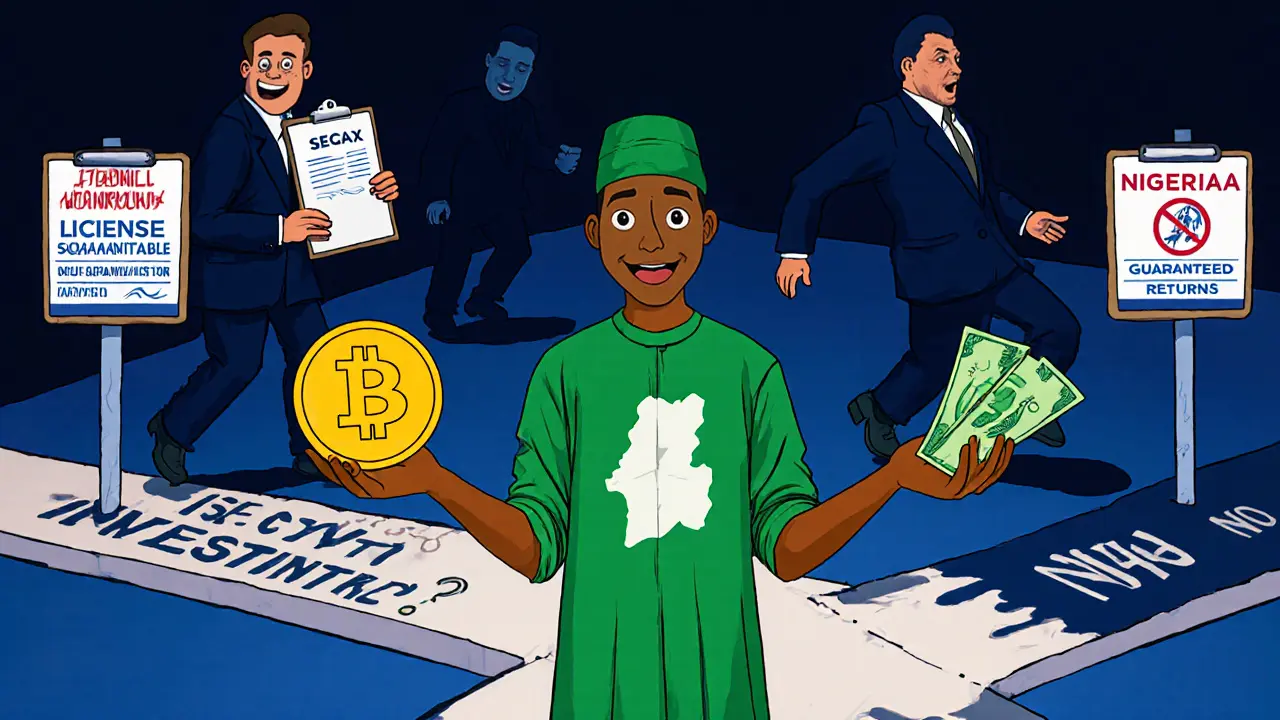
In 2025, Nigeria legalized cryptocurrency under new securities law, making it regulated but not legal tender. The SEC now oversees exchanges, taxes apply from 2026, and unlicensed platforms face shutdowns. Here's what you need to know.