
When you hear RWA token, a digital representation of a real-world asset like real estate, bonds, or commodities that’s recorded on a blockchain. Also known as tokenized assets, it lets you own a piece of something physical without needing to buy the whole thing. This isn’t science fiction—it’s happening right now. Banks, hedge funds, and even small investors are using RWA tokens to turn old-school assets into tradeable crypto pieces. No more waiting months to buy a fraction of a building. Now you can do it in minutes, with lower costs and more transparency.
Why does this matter? Because traditional finance is slow, expensive, and closed off. RWA tokens fix that by linking physical value to smart contracts. A bond issued as an RWA token can pay interest automatically. A piece of real estate can be split into 1,000 tokens and sold to people around the world. This isn’t just about trading—it’s about access. People in countries with weak banking systems can now invest in U.S. real estate or government bonds through a phone app. And projects like Maple Finance, Centrifuge, and TokenFi are building the tools to make this real.
But it’s not all smooth sailing. RWA tokens need legal backing, audits, and trusted custodians. You can’t just mint a token for your car and call it done. That’s why most RWA projects work with licensed partners—law firms, asset managers, and regulated platforms. The best ones tie token rights directly to real contracts. That’s the difference between a gimmick and a real financial tool. If you’ve ever wondered why some crypto projects feel more serious than others, this is why.
What you’ll find below are real reviews and breakdowns of platforms and tokens that are actually using RWA tech—not just talking about it. You’ll see how DeFi exchanges handle tokenized assets, what risks come with them, and which projects are building real utility. No hype. No empty promises. Just what’s working, what’s not, and how you can stay safe while the space evolves.
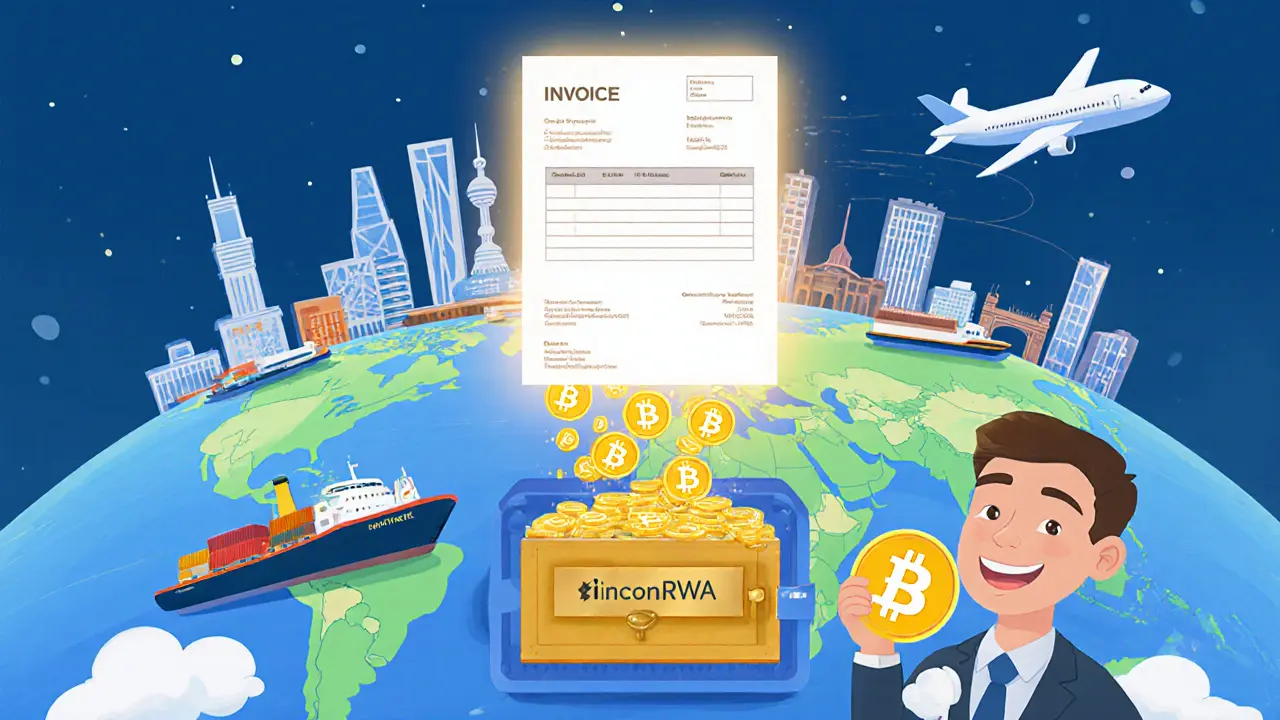
IncomRWA (IRWA) is a crypto token that generates stable USDT yields from real-world trade invoices. With a fixed supply and 15% APY, it offers a rare alternative to volatile DeFi farms - but liquidity and regulatory risks remain.