
When it comes to SEC Nigeria crypto, the regulatory body overseeing digital asset trading and enforcement in Nigeria. Also known as Securities and Exchange Commission Nigeria, it has become one of the most active crypto regulators in Africa—often clamping down hard, yet failing to stop adoption. Unlike countries that ban crypto outright, Nigeria doesn’t have a full ban, but the SEC has made it clear: if you’re trading, listing, or promoting tokens without approval, you’re breaking the law.
This isn’t just about fines. The SEC Nigeria crypto team has shut down local exchanges, frozen wallet addresses linked to unregistered platforms, and publicly named traders who ran unlicensed ICOs. In 2023 alone, they issued over 12 formal warnings to crypto businesses operating without licenses. Meanwhile, Nigerians kept trading—using peer-to-peer platforms, stablecoins like USDT, and foreign exchanges to move money. Why? Because crypto isn’t a luxury here. It’s a lifeline. With inflation hitting 30% and banks limiting withdrawals, people turned to crypto not for speculation, but to send remittances, protect savings, and pay for goods when the naira lost value.
The SEC doesn’t ignore this. They’ve tried to work with platforms like Paxful and Binance to bring them under local oversight, but most refuse to comply unless forced. That’s why you see a strange mix: official crackdowns on local startups, while global exchanges remain untouched. The result? A two-tier system—where small Nigerian traders get targeted, but big international players operate freely. And yet, the SEC keeps releasing new guidelines, updating licensing rules, and threatening penalties. They’re not backing down. But they’re also not winning.
What’s missing from their strategy? Education. Most users don’t know what a licensed exchange is, or how to verify if a token is registered. The SEC publishes documents, but they’re buried in legal jargon. Meanwhile, Telegram groups and WhatsApp channels spread simple, actionable advice: "Use P2P. Stick to USDT. Never give your seed phrase." This gap between regulation and reality is where most Nigerian crypto users live.
There’s also the issue of enforcement. The SEC can freeze accounts, but they can’t stop someone from downloading a wallet on their phone. They can fine a business, but they can’t shut down a decentralized protocol running on Ethereum. Their power ends at borders. And that’s why the real story isn’t about the SEC’s rules—it’s about how Nigerians keep trading anyway.
Below, you’ll find real cases of how people got caught, how some avoided penalties, and what happens when you ignore SEC Nigeria crypto warnings. You’ll see how stablecoins became the quiet backbone of the market, how local platforms tried to comply and failed, and why even the most aggressive fines haven’t slowed adoption. This isn’t about whether crypto is legal in Nigeria. It’s about whether anyone can actually stop it.
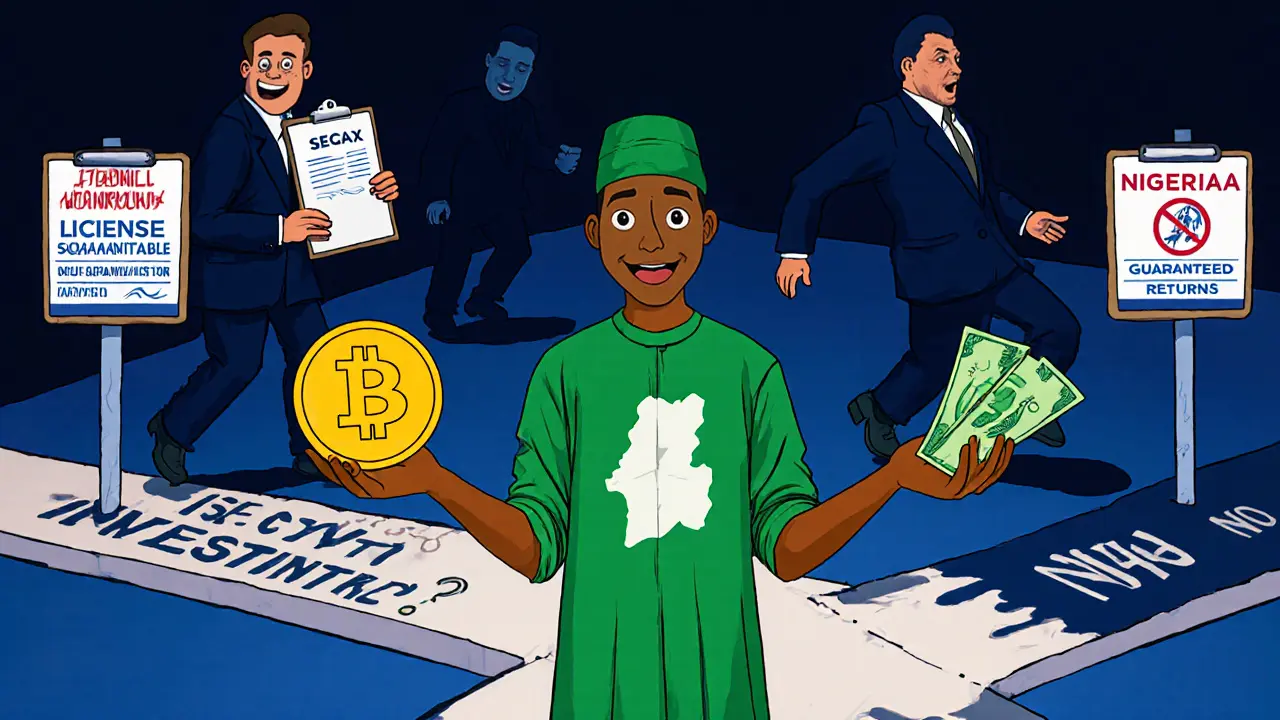
In 2025, Nigeria legalized cryptocurrency under new securities law, making it regulated but not legal tender. The SEC now oversees exchanges, taxes apply from 2026, and unlicensed platforms face shutdowns. Here's what you need to know.