
When people talk about Web3, the next generation of the internet built on blockchain technology where users own their data and assets. Also known as decentralized web, it’s not a fancy app or a new coin—it’s a complete rewrite of how online systems work. Instead of Facebook owning your posts or Google tracking your searches, Web3 lets you control your identity, money, and digital items through crypto wallets and smart contracts.
That shift changes everything. Decentralized finance, financial services that run on blockchains without banks or middlemen is one of Web3’s biggest real-world uses. Platforms like SushiSwap on Polygon let you trade, stake, and earn interest without signing up for a bank account. Meanwhile, crypto exchanges, platforms where people buy and sell digital assets are becoming more than just trading floors—they’re gateways to ownership. Some, like BIT.com or IX.com, offer high leverage and deep markets, but many lack audits, support, or legal backing. That’s why Web3 users need to know who’s really running the platform, not just what the website looks like.
Web3 also brought us tokenomics, the economic rules behind how tokens are created, distributed, and valued. You see it in airdrops like WSG or LNR Lunar—where tokens are given out to early users—but also in projects like CELT or HOTCROSS that promised big returns and vanished. Real Web3 projects don’t just hype free tokens; they build usable tools, transparent teams, and sustainable economies. That’s why you’ll find posts here about Egyptian P2P traders bypassing bans, Pakistani exchanges getting licensed under PVARA, and Russian users stuck in legal gray zones. These aren’t just news stories—they’re proof that Web3 is being shaped by real people, not just developers in Silicon Valley.
Web3 doesn’t require you to be a coder or a millionaire. It just requires you to ask: Who owns this? Who controls it? And who really benefits? The posts below cut through the noise. You’ll find honest reviews of exchanges, real breakdowns of airdrops that actually delivered, and warnings about ghost projects hiding behind flashy names. No fluff. No promises. Just what’s working, what’s broken, and who’s still in the game.
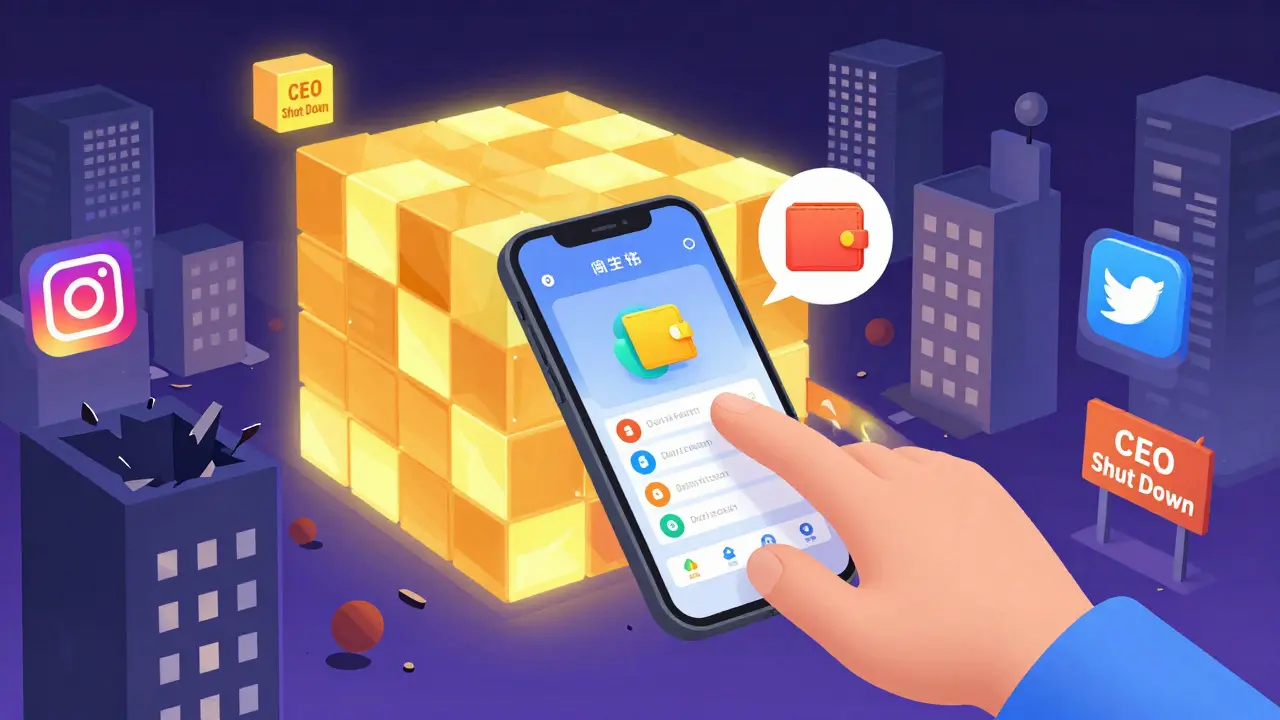
Decentralized applications (dApps) are apps that run on blockchains instead of central servers. They offer transparency, user control, and censorship resistance - no company can shut them down. Used in DeFi, NFTs, and social media, they're key to Web3.