
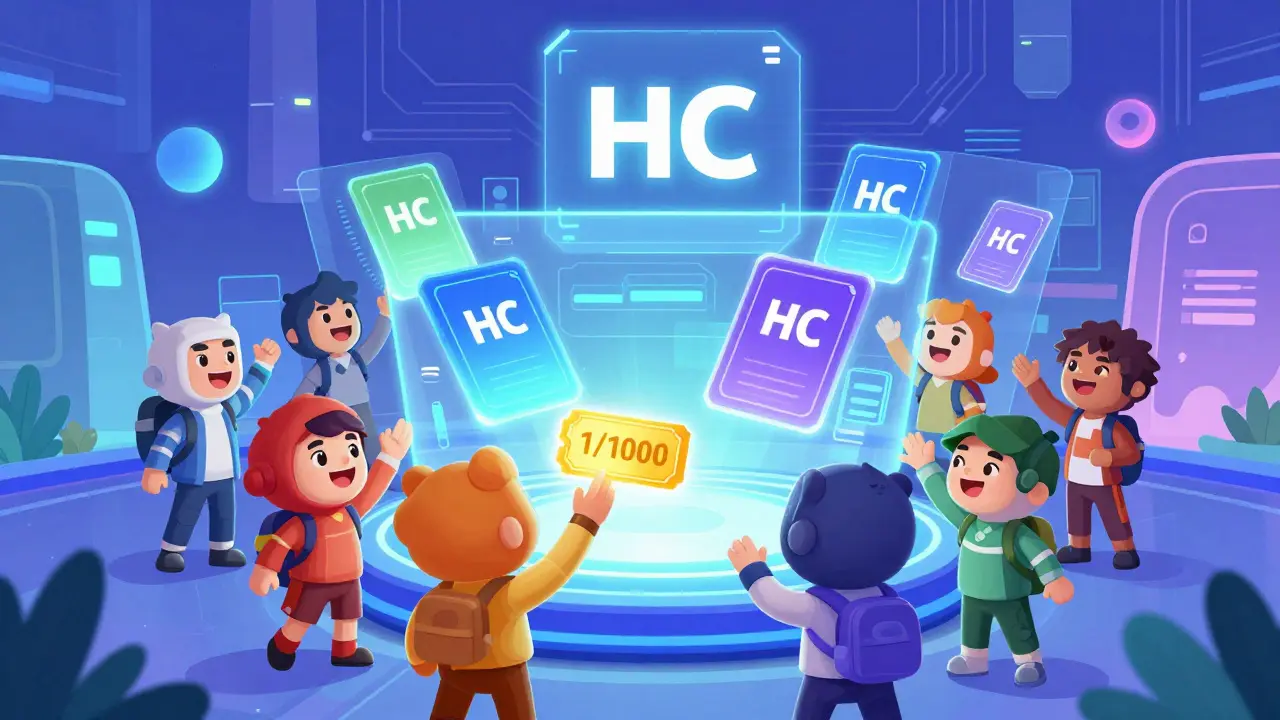
You’ve probably seen the buzz around HashLand Coin, often referred to as HC. It is the native utility token of the HashLand platform, a decentralized ecosystem focused on synthetic assets and hash rate trading. Right now, there is a specific campaign running that promises free rewards. But before you rush in, let’s get one thing straight: this isn’t just about grabbing free coins. It’s a strategic move by the project to build its user base through a limited-supply NFT distribution.
If you are looking for a quick guide on how to participate in the HashLand Campaign via CoinMarketCap, what exactly you will receive, and whether this project has any real substance behind the hype, you are in the right place. We will break down the mechanics, the risks, and the steps you need to take to ensure you don’t miss out if you decide to play along.
What Is the HashLand Coin Airdrop?
The current promotion is not a massive token dump where everyone gets a bag of HC tokens. Instead, it is a targeted distribution of Non-Fungible Tokens (NFTs). The campaign offers exactly 1,000 NFTs to 1,000 unique winners. Each winner receives up to one NFT. This exclusivity is intentional. It creates scarcity and drives engagement rather than flooding the market with supply.
Here is the catch: the primary reward is an NFT, not necessarily the HC token itself-at least not directly in the initial drop. However, these NFTs are tied to the broader HashLand ecosystem. There is also talk of "New Era NFTs" being distributed to winners after the main event concludes. This suggests a multi-phase strategy designed to keep users engaged long-term.
To participate, you generally need to be active on platforms like CoinMarketCap. The process usually involves searching for the HC token on the platform, ensuring your account is registered and verified, and following specific instructions laid out in the campaign banner. It’s simple, but precision matters. If you skip a step, you might not qualify for the random draw.
Understanding HashLand: More Than Just an Airdrop
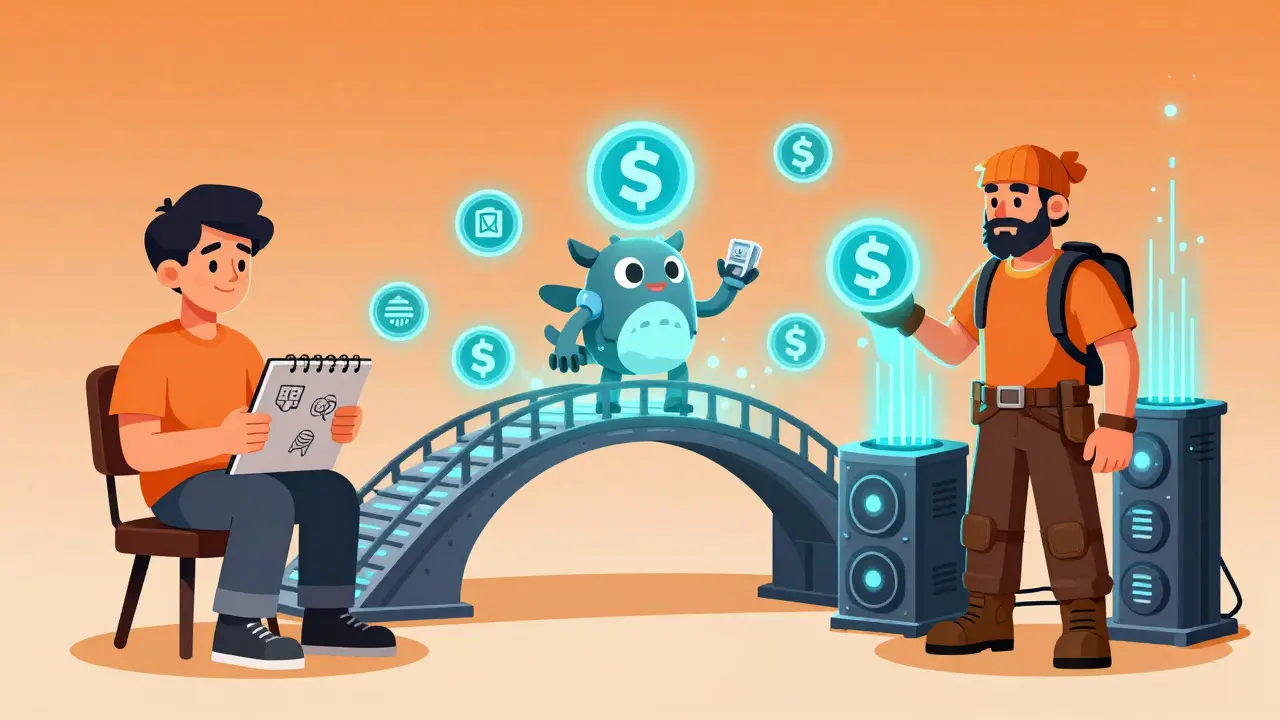
Why should you care about an NFT from a relatively unknown project? To answer that, we need to look at what HashLand actually does. It positions itself as the first decentralized synthetic assets platform. That sounds fancy, but here is what it means in plain English: they are trying to bridge the gap between Intellectual Property (IP) and mining power.
HashLand introduces the concept of Synthetic NFTs (S-NFTs). Unlike traditional NFTs that might just be a JPEG of a monkey, S-NFTs are linked to hash rate assets. Think of it as tokenizing computing power. The platform uses three core smart contracts to make this work:
- Minting Contract: Creates the digital assets.
- Purchase Contract: Handles the buying and selling of these assets.
- Mining Contract: Manages the connection to actual hash rate providers.
This structure allows IP holders and miners to interact in a new way. For example, a creator could mint an asset that generates value based on mining efficiency, or a miner could sell fractionalized hash rate as an NFT. It’s an ambitious attempt to solve liquidity issues in the mining market.
Tokenomics and Market Reality
Let’s talk numbers. The total supply of HashLand Coin is capped at 21 million HC tokens. Currently, the circulating supply is reported around 2.29 million HC. This means the vast majority of tokens are still locked or unallocated, which can lead to future inflation if large amounts are released into the market.
However, the current market data is confusing-and potentially concerning. Different exchanges show wildly different prices. Some sources list the price at $0, while others show it hovering around $0.038. The trading volume is extremely low, often reported as $0.00 across major platforms. This lack of liquidity means that even if you win an NFT or acquire HC tokens later, selling them might be difficult without crashing the price.
The market capitalization sits around $2.38 million. While this gives the project some valuation, it is tiny compared to established cryptocurrencies. This volatility and low activity suggest that HashLand is still in its very early stages. You are entering a high-risk environment.
How to Participate in the Campaign Step-by-Step
If you have decided the potential upside outweighs the risk, here is how you can position yourself to win one of the 1,000 NFTs. Follow these steps carefully:
- Create or Log In to CoinMarketCap: Ensure you have a verified account. Unverified accounts are often excluded from promotional draws.
- Search for HashLand Coin: Go to the search bar on CoinMarketCap and type "HashLand Coin" or "HC". Visit the official token page.
- Follow the Campaign Banner: Look for the active airdrop banner on the token page. Click on it to read the specific terms. Terms can change, so always check the latest details.
- Complete Required Actions: These might include following social media accounts, joining a Discord server, or sharing a post. Make sure you complete every single task listed.
- Wait for the Draw: Since there are only 1,000 winners, selection is likely random among qualified participants. There is no guarantee of winning.
Remember, never share your private keys or seed phrases. Legitimate airdrops will never ask for this information. If a site asks for your wallet password, close it immediately.
Risks and Considerations
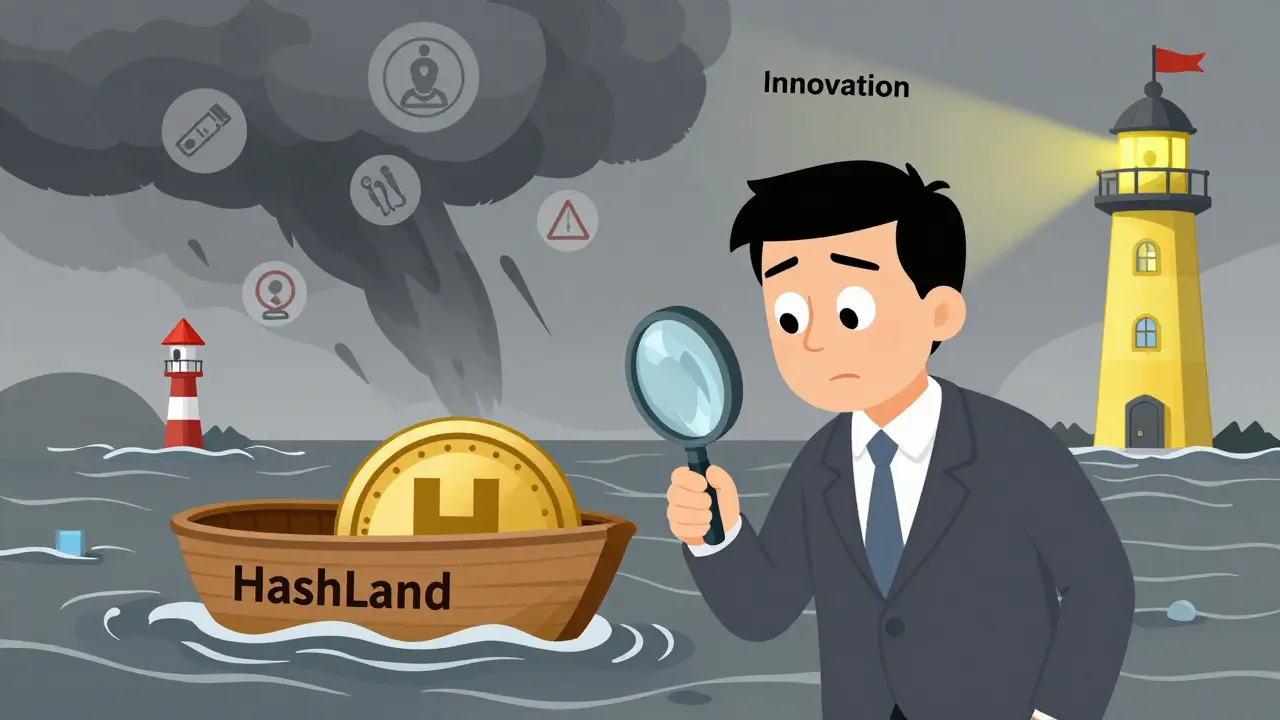
Crypto airdrops are not free money; they are marketing expenses paid for by the project. The goal is to get you interested in their ecosystem. Here are the key risks to keep in mind:
- Liquidity Risk: As mentioned, trading volume is near zero. You might hold an asset that you cannot easily sell.
- Smart Contract Risk: The technology behind Synthetic NFTs is experimental. Bugs or vulnerabilities in the Minting, Purchase, or Mining contracts could lead to loss of funds.
- Scams: Be wary of fake websites claiming to be the official HashLand airdrop. Always use links from trusted sources like CoinMarketCap or the official HashLand website.
- Regulatory Uncertainty: Synthetic assets and tokenized mining rights operate in a gray area legally in many jurisdictions. Rules could change, affecting the validity of your assets.
Do not invest money you cannot afford to lose. Treat the time spent participating as entertainment, not an investment strategy.
Is HashLand Worth Your Attention?
HashLand is attempting something innovative by combining IP rights with hash rate assets. The concept of Synthetic NFTs has potential, especially if the mining industry continues to seek more efficient ways to trade computing power. However, execution is everything. Right now, the project lacks significant trading volume and widespread adoption.
The airdrop is a low-cost way to test the waters. If you win an NFT, you gain exposure to the platform. If you do not win, you have lost nothing but a few minutes of your time. Keep an eye on the development updates. If the team delivers on their promise of reshaping the hash rate market, the value of associated assets could rise. If not, the project may fade into obscurity.
How many NFTs are available in the HashLand airdrop?
There are exactly 1,000 NFTs available for distribution to 1,000 unique winners. Each winner receives up to one NFT.
Do I need to pay anything to enter the airdrop?
Legitimate airdrops on platforms like CoinMarketCap are typically free to enter. You may need to perform social tasks, but you should never have to send cryptocurrency to claim a free airdrop. Beware of scams asking for payment.
What is a Synthetic NFT (S-NFT)?
A Synthetic NFT is a digital asset created by HashLand that bridges intellectual property with hash rate assets. It represents a tokenized form of mining power or related rights, differing from traditional collectible NFTs.
Where can I buy HashLand Coin (HC) after the airdrop?
HashLand Coin is listed on several exchanges, though trading volume is currently very low. You can find listings on platforms like Binance and Coinbase, but availability and liquidity may vary significantly.
Is HashLand Coin a safe investment?
Like all cryptocurrencies, HashLand Coin carries high risk. Its low liquidity, experimental technology, and small market cap mean prices can be highly volatile. Only participate with funds you can afford to lose.