
When you hear cryptocurrency ban Bangladesh, a strict government prohibition on using digital currencies like Bitcoin and Ethereum for transactions within the country. Also known as crypto prohibition in Bangladesh, it means banks and financial institutions can’t process crypto payments, and citizens face legal risks if they trade or hold digital assets. This isn’t just a policy—it’s a wall between people who want financial freedom and a system that still relies on cash and state-controlled banking.
The Bangladesh central bank crypto, the official monetary authority that enforces the ban and controls all financial flows in the country has been clear since 2017: crypto is illegal. The Bangladesh Bank says digital currencies threaten financial stability, enable money laundering, and bypass currency controls. But here’s the twist—despite the ban, reports suggest thousands still trade crypto through peer-to-peer platforms, informal networks, and offshore exchanges. Why? Because remittances are vital, inflation is rising, and traditional banking feels slow and expensive. Many see crypto not as a gamble, but as a lifeline.
The Bangladesh crypto regulation, the set of rules and enforcement actions imposed by the government to restrict digital asset use doesn’t just target exchanges—it punishes users. People caught trading crypto can face fines, account freezes, or even criminal charges under the Money Laundering Prevention Act. But enforcement is patchy. In Dhaka, you might find someone buying Bitcoin on Telegram. In rural areas, people use crypto to send money home without paying high fees to Western Union or other remittance services. The gap between law and practice is wide, and it’s growing.
What about the BDT crypto, the informal use of the Bangladeshi taka to buy or sell cryptocurrencies in local peer-to-peer trades? It’s everywhere. People trade BDT for USDT on LocalBitcoins or Paxful, often in person at tea shops or through WhatsApp. No bank involvement. No paperwork. Just trust and cash. The government calls it illegal. The users call it survival.
There’s no sign the ban is lifting soon. Unlike Nigeria or India, Bangladesh hasn’t moved toward regulation—it’s doubled down on prohibition. But that doesn’t mean crypto is gone. It just went underground. And underground markets don’t disappear when laws change—they adapt. People find new ways to trade. They use VPNs, prepaid cards, and encrypted apps. They learn how to avoid detection. The real question isn’t whether crypto is banned—it’s whether the ban is working.
What you’ll find in the posts below aren’t guides on how to bypass the ban. Instead, you’ll see real-world comparisons: how other countries handle crypto bans, what penalties look like in places like Egypt or Bolivia, and how people adapt when formal systems shut them out. These aren’t theoretical discussions—they’re stories from the front lines of financial restriction. If you’re in Bangladesh, or just curious about what happens when a government tries to control money, this collection gives you the facts without the fluff.
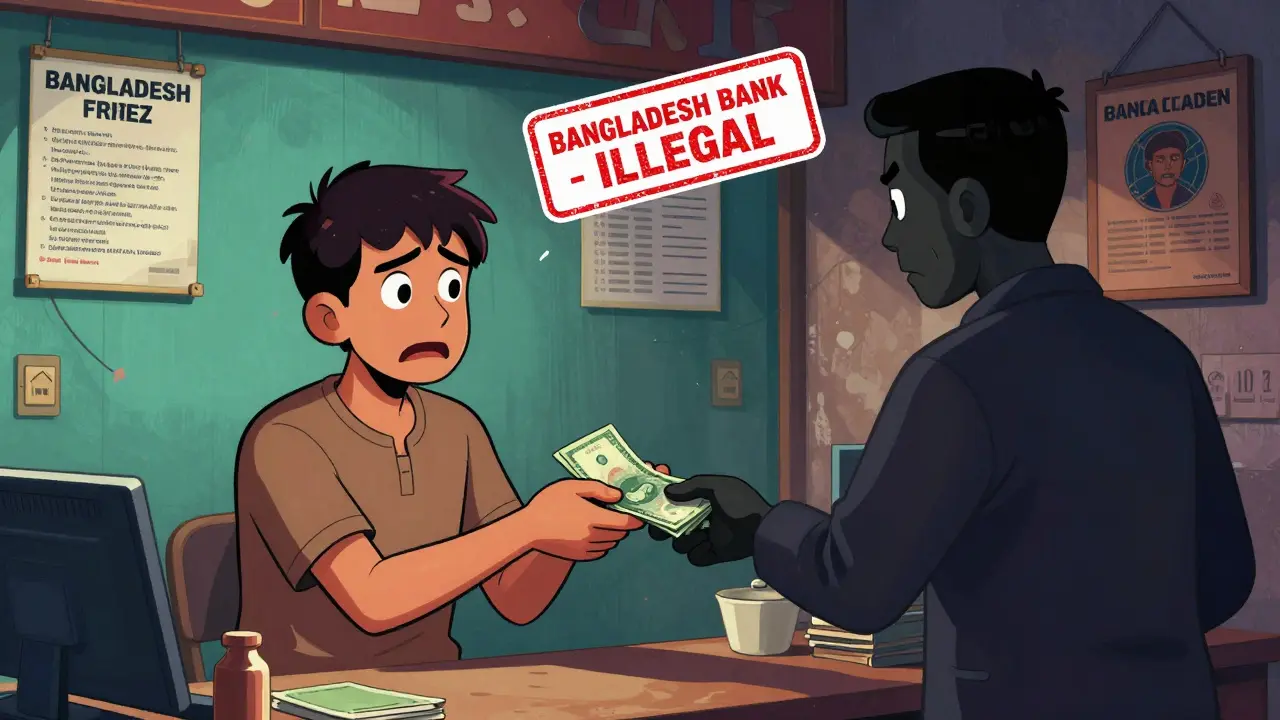
Crypto trading in Bangladesh is illegal, yet widespread. Citizens face legal prosecution, financial loss, bank freezes, and scams with no protection. The 2025 crackdown has made risks worse, not better.
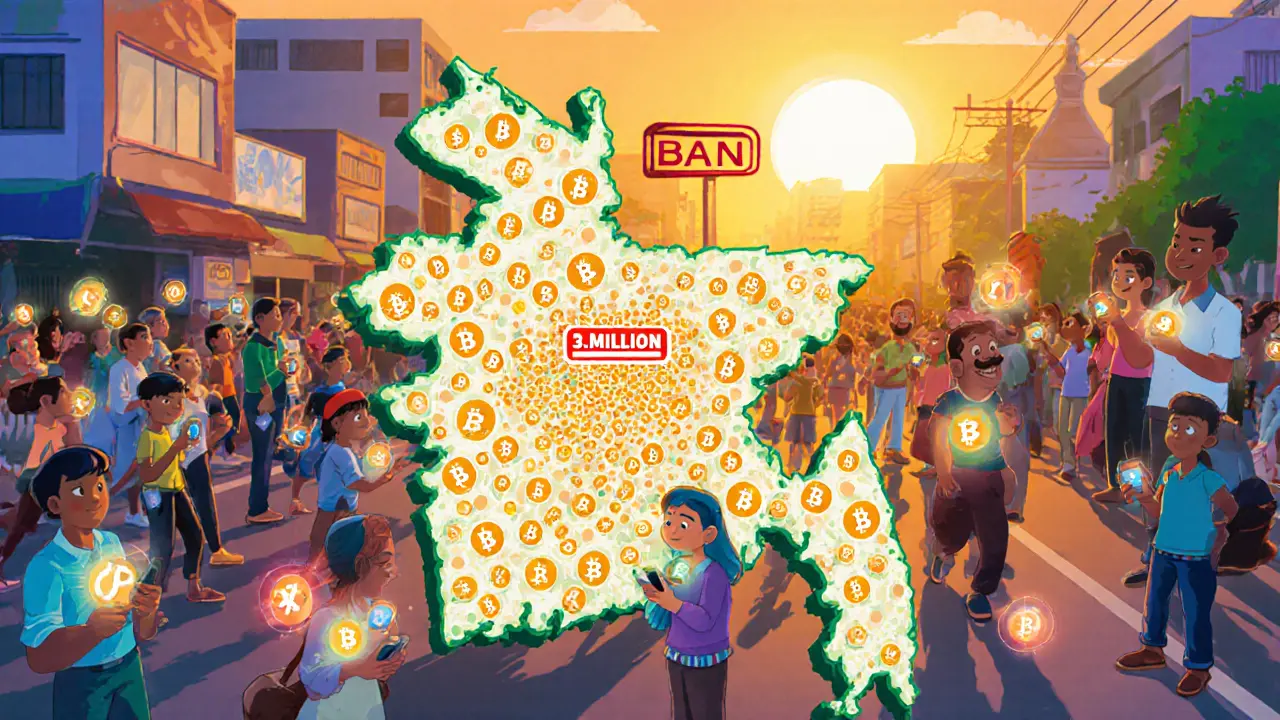
Bangladesh ranks #35 in global crypto adoption despite a total ban, with 3.1 million users relying on stablecoins for cheap remittances. Explore why the market thrives, how users bypass restrictions, and what the future may hold.