

More than 20 million people in Pakistan are using cryptocurrency. Some estimates go as high as 27 million. That’s one in every ten Pakistanis. Not because they’re chasing get-rich-quick schemes. Not because they’re tech fanatics. But because they have no other choice.
Why Crypto Isn’t a Luxury in Pakistan
In Pakistan, crypto isn’t about buying Bitcoin to flip it for profit. It’s about survival. The Pakistani rupee has lost nearly 70% of its value against the US dollar since 2020. Inflation hit 38% in 2024. People’s savings are evaporating. Banks are slow, expensive, and unreliable. Many can’t even open a dollar account without jumping through endless hoops. So they turn to crypto. Not because they love blockchain. But because it works when nothing else does. A freelance graphic designer in Lahore gets paid in USD from a client in the U.S. Traditional wire transfers take 5-7 days and cost $40-$60. With crypto, they send it in minutes. Fees? Under $2. They convert it to PKR on a local exchange like Binance P2P or Coinmama. Done. No bank approval. No delays. No hidden charges. That’s the real story behind the numbers.The Numbers Don’t Lie - But They’re Incomplete
Official data from the State Bank of Pakistan says only 18.2 million people are verified crypto users on licensed platforms. That’s a solid number. But it’s not the full picture. Because most crypto transactions in Pakistan happen outside exchanges. People trade directly with each other using WhatsApp, Telegram, and local P2P apps. Someone in Karachi buys USDT from a seller in Faisalabad. Cash is handed over in a café. No KYC. No paperwork. No trace. That’s why estimates range from 18 million to over 40 million. The real number? Probably somewhere between 20 and 27 million. That’s not speculation. That’s the math of necessity. Compare that to Nigeria - another crypto powerhouse - where 22 million people use crypto. Pakistan’s population is smaller, internet access is worse, yet adoption is nearly as high. Why? Because the need is stronger.The Freelance Economy Is the Secret Engine
Pakistan has one of the largest freelance workforces in Asia. Over 2.5 million Pakistanis earn income from international clients on platforms like Upwork, Fiverr, and Toptal. Most of them are under 30. Most of them have no access to international payment systems. Before crypto, they relied on PayPal. But PayPal doesn’t support Pakistani accounts. Western Union? Fees are brutal. Bank transfers? Often rejected. So they turned to crypto. USDT became the unofficial currency of Pakistani freelancers. A 2025 survey by the Pakistan Freelancers Association found that 87% of active freelancers use crypto to receive payments. 63% say crypto is the only reason they can keep working for international clients. Without it, many would have to quit. This isn’t just about money. It’s about dignity. It’s about being able to earn a living without begging for permission from banks or governments.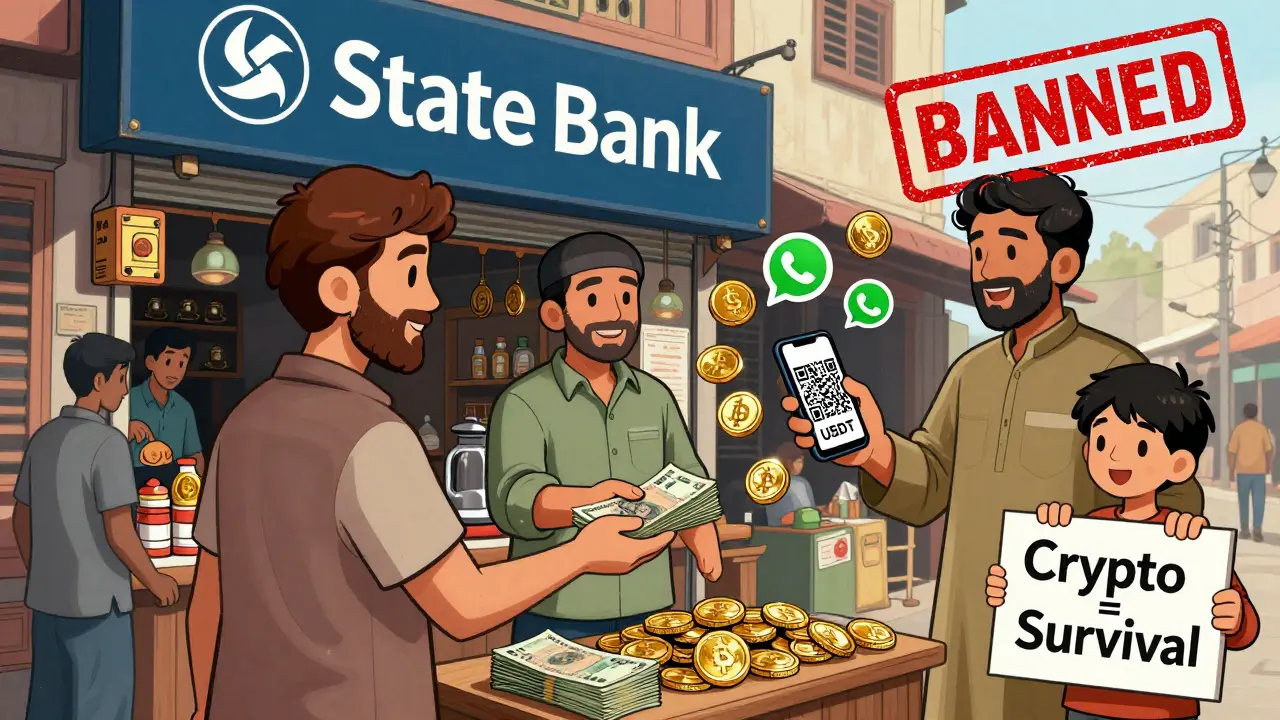
The Government’s Dilemma: Ban or Control?
In 2022, the State Bank of Pakistan tried to ban crypto. They ordered banks to cut off services to crypto exchanges. They threatened legal action against users. It didn’t work. People didn’t stop using crypto. They just got smarter. They switched to peer-to-peer networks. They used local traders. They moved funds through third-party accounts. The ban became a joke. Now, the government is changing tactics. Instead of banning crypto, they’re building their own digital currency - the Digital Pakistani Rupee (DPR). Planned for launch in late 2025, the DPR is meant to replace cash and control digital payments. But here’s the problem: the DPR won’t help freelancers get paid from abroad. It won’t let you send money to your sister in Canada without paying $50 in fees. It won’t protect your savings from inflation. Crypto isn’t going away because the government wants it to. It’s here because people need it.Internet Access Is the Real Bottleneck
You can’t use crypto if you can’t get online. And in Pakistan, only 45.7% of the population has stable, high-speed internet. In rural areas, it’s worse - sometimes below 20%. That’s why crypto adoption is mostly urban. Karachi, Lahore, Islamabad, and Faisalabad lead the way. In smaller towns and villages, people still rely on cash and hawala networks. But that’s starting to change. Mobile data is cheaper than ever. 4G coverage is expanding. Young people are buying smartphones just to access crypto apps. Even in villages, you’ll find someone with a cheap Android phone and a WhatsApp group for USDT trading. The infrastructure gap isn’t closing fast - but it’s closing.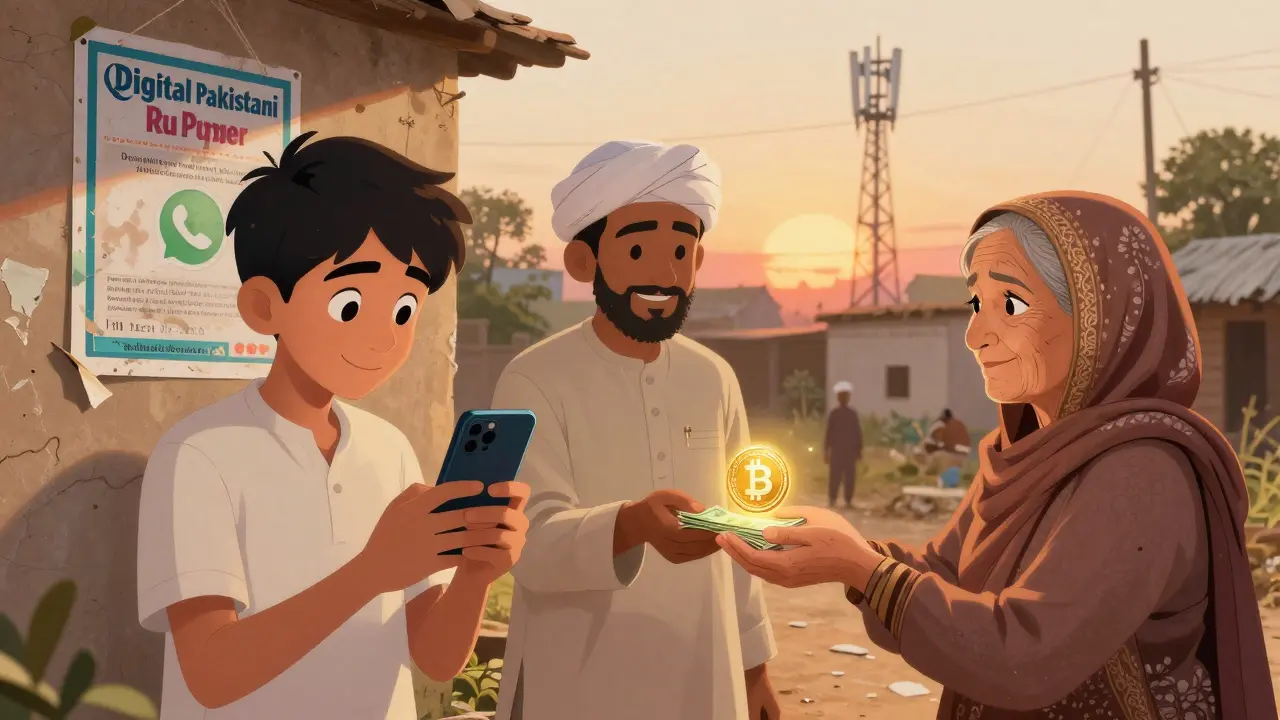
What Happens If the Government Cracks Down Again?
Every few months, rumors spread that Pakistan will ban crypto again. Social media explodes. People panic. Some sell their coins. Others panic-buy. But history shows panic doesn’t stop adoption. When banks were blocked in 2022, trading volume didn’t drop - it jumped. Why? Because people saw what happened when they lost access to traditional finance. Crypto became their last line of defense. The government can block websites. They can pressure exchanges. But they can’t stop people from sending digital tokens to each other over WhatsApp. They can’t stop someone from handing over cash for USDT in a parking lot. Crypto in Pakistan is decentralized by design - not because of technology, but because of desperation.The Bigger Picture: A Global Trend With a Pakistani Twist
Pakistan isn’t alone. Vietnam, India, Nigeria, and Argentina are seeing the same pattern. In countries with unstable currencies, weak banking systems, and young, connected populations - crypto thrives. But Pakistan stands out because its adoption is more practical than speculative. People aren’t buying Dogecoin because Elon Musk tweeted about it. They’re buying USDT because their rent is due and their salary is worth less than it was last month. The global crypto adoption rate is 6.9%. Pakistan’s is over 10%. And it’s growing. Industry analysts predict Pakistan’s crypto market will hit $1.6 billion in transaction volume by the end of 2025. That’s not just trading. That’s remittances, freelance payments, savings, and small business transactions.What’s Next for Crypto in Pakistan?
The future isn’t about whether crypto will survive in Pakistan. It’s about how it will evolve. Will the government create a hybrid system where the DPR and crypto coexist? Maybe. Will local exchanges get licensed and regulated? Likely. Will peer-to-peer trading continue to dominate? Absolutely. One thing is certain: the 20-27 million crypto users in Pakistan aren’t going anywhere. They’re not tech enthusiasts. They’re parents, students, freelancers, shopkeepers. People trying to keep their families afloat in a broken system. And as long as inflation keeps rising and banks keep failing, crypto will keep growing - not because it’s trendy, but because it’s necessary.How many people in Pakistan actually use cryptocurrency?
Estimates vary, but most credible sources put the number between 20 and 27 million as of early 2026. Official figures from exchanges show around 18.2 million verified users, but that doesn’t include peer-to-peer trades, cash-based transactions, or users on unregulated apps. When you add those in, the real number is likely closer to 25 million.
Is cryptocurrency legal in Pakistan?
It’s not officially banned, but it’s not legal either. The State Bank of Pakistan has repeatedly warned against using crypto and blocked bank transactions to exchanges. However, there are no laws specifically criminalizing ownership or trading. This gray area is why crypto continues to grow - no one is getting arrested for holding Bitcoin, but banks won’t help you cash out.
Why do Pakistanis prefer USDT over Bitcoin?
USDT (Tether) is pegged to the U.S. dollar, so it holds its value. Bitcoin is too volatile for everyday use. If you’re getting paid in crypto to pay your rent, you don’t want your payment to drop 20% overnight. USDT acts like digital cash - stable, fast, and easy to convert to rupees. It’s the default choice for freelancers and remittance users.
Can I use crypto to send money to family abroad from Pakistan?
Yes - and it’s one of the most common uses. Sending $500 to a relative in the UK via Western Union costs $45 and takes days. With crypto, you send USDT to their wallet in minutes for under $3. They convert it to local currency on their end. Many Pakistanis now use crypto as their primary remittance channel, especially for smaller, frequent transfers.
Is crypto adoption growing in rural Pakistan?
Slowly. Urban areas lead because of better internet and more access to smartphones. But rural adoption is rising. Mobile data is cheaper, and local traders are stepping in to bridge the gap. In villages, people now meet in tea shops to trade cash for USDT. It’s informal, but it works. The real barrier isn’t interest - it’s connectivity.
What’s the government doing about crypto?
The State Bank of Pakistan is preparing to launch its own digital currency, the Digital Pakistani Rupee (DPR), by late 2025. They see it as a way to control digital payments and reduce reliance on crypto. But the DPR won’t solve the core problems: inflation, blocked international payments, and bank inefficiency. Most experts believe crypto will continue to grow alongside the DPR - not disappear.
Is crypto safe to use in Pakistan?
It’s as safe as you make it. The biggest risks are scams, phishing, and unregulated P2P traders. Many users lose money to fake apps or fake sellers. But the technology itself - blockchain - is secure. The solution? Use well-known wallets like Trust Wallet or MetaMask. Never send crypto to someone you don’t know. Always verify trades on trusted platforms. And never keep large amounts on exchanges.


Allen Dometita
Crypto in Pakistan isn't a trend-it's a lifeline. I've seen friends in Lahore use USDT to pay for their kid's meds when banks froze accounts. No drama. No bureaucracy. Just a phone and a QR code. This is financial sovereignty in action.