
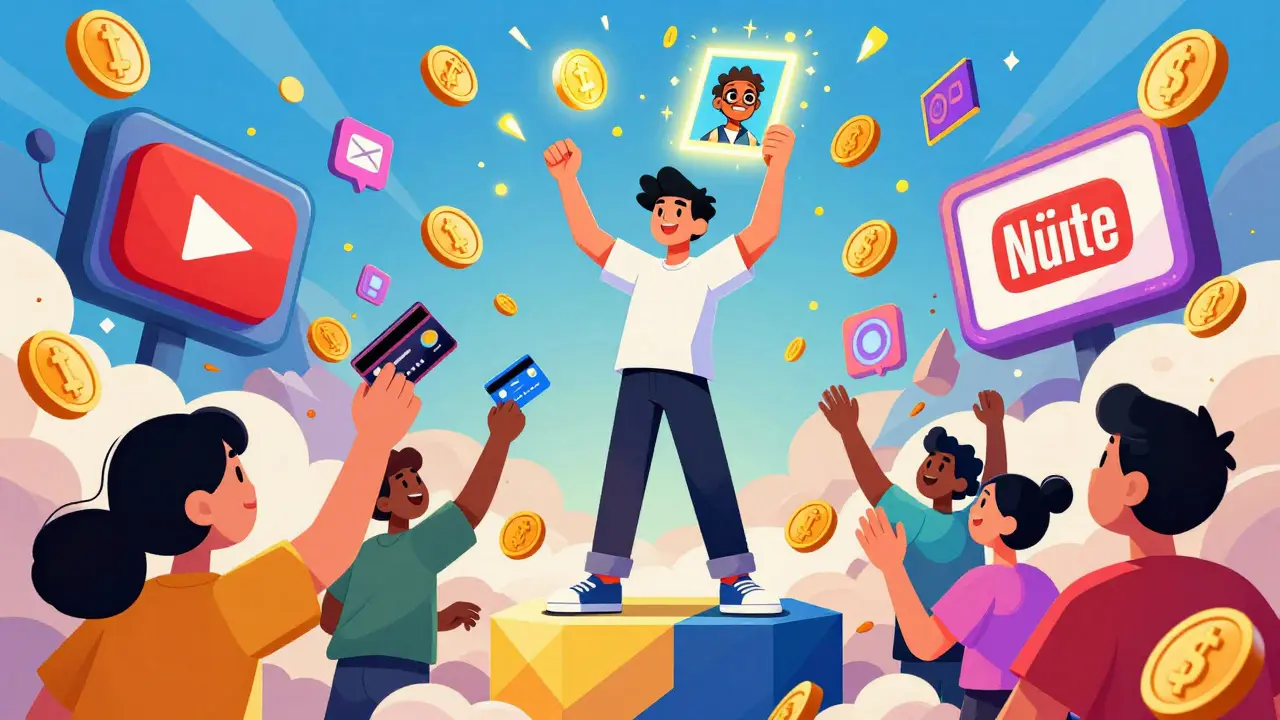
What if you could sell your podcast, video, or artwork directly to your fans-and keep 90% of the money-without asking a platform for permission? That’s not a fantasy. It’s happening right now, thanks to blockchain content monetization models that cut out the middlemen and put control back in creators’ hands.
Traditional platforms like YouTube, TikTok, and Patreon take 30% to 50% of your earnings. Worse, they can freeze your account, demonetize your content, or change the rules overnight. In 2025, creators are turning to blockchain to lock in ownership, transparency, and real revenue. The blockchain for content monetization market hit $499 million in 2024 and is on track to hit $659 million by the end of this year. By 2030, it could be worth over $2.7 billion. This isn’t a niche trend. It’s a structural shift.
How Blockchain Lets Creators Own Their Revenue
At its core, blockchain content monetization means using decentralized ledgers to track who owns what-and who gets paid when. Unlike traditional platforms where your content lives on someone else’s server, blockchain lets you mint your work as a digital asset. This could be a video, a music track, a piece of writing, or even a token representing access to your community.
The magic happens through smart contracts. These are self-executing codes stored on the blockchain. Once you set the rules-say, 10% royalty on every resale-there’s no way for a platform to change it. If someone buys your NFT and later sells it for more, you automatically get your cut. No invoices. No delays. No disputes.
Platforms like Zora and Foundation have built tools that make this easy. A photographer can upload a high-res image, set a price in ETH or USDC, and instantly turn it into a verifiable NFT. Every time it changes hands, the original creator gets paid. No one else controls the payout. That’s the difference between renting space on a platform and owning your product.
NFTs Aren’t Just Art-They’re Membership Passes
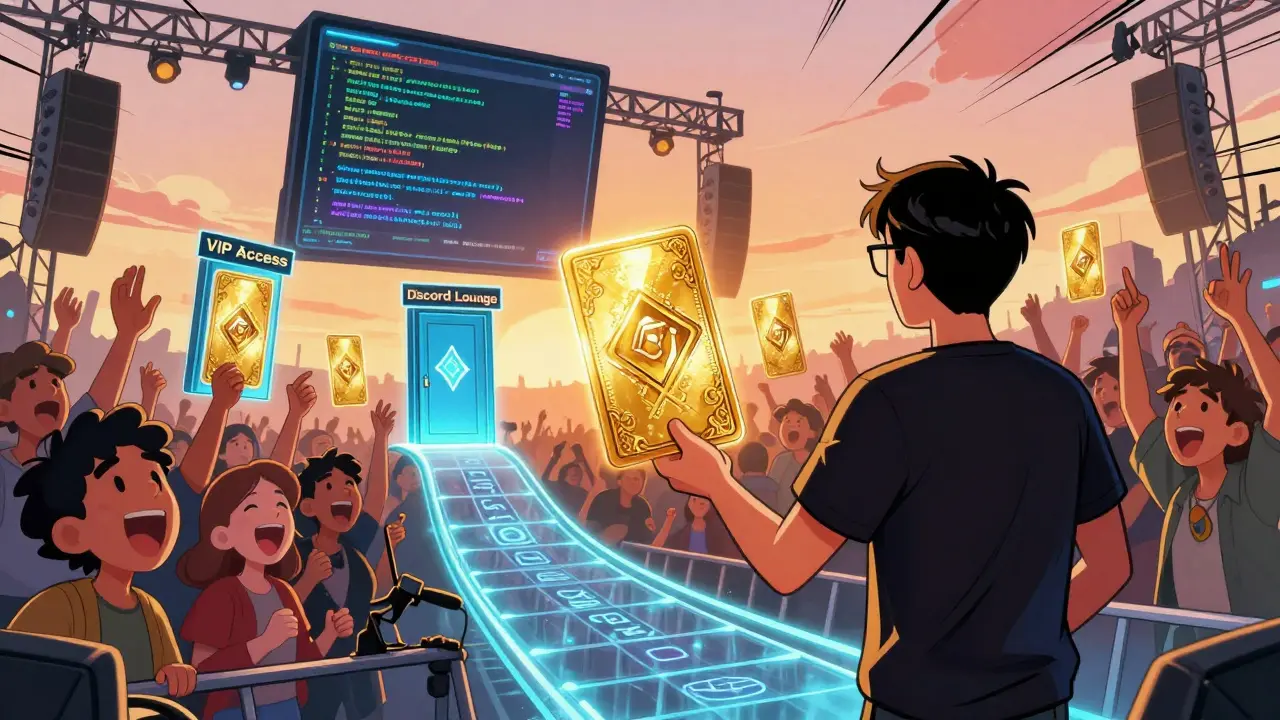
Most people think NFTs are JPEGs of apes or bored monkeys. But for creators, they’re becoming digital membership cards. Think of them as unlockable access passes. A musician might release an NFT that gives buyers early access to albums, VIP concert tickets, or exclusive Discord channels. Fans don’t just consume content-they invest in it.
TIME Magazine started using NFT-gated content in 2024. Readers had to own a specific NFT to read their premium essays. Result? A 30% jump in engagement and a 22% quarter-over-quarter rise in digital revenue. Why? Because ownership creates loyalty. People treat something they own differently than something they’re just subscribed to.
And it’s not just media. Gaming creators are using NFTs to tokenize in-game items-weapons, skins, virtual land-that players can trade across platforms. In 2025, play-to-earn games with tokenized economies are seeing 4x higher retention than traditional games. Players aren’t just spending money; they’re building assets that hold value outside the game.
Friend.tech and Social Tokens: Betting on Creators
One of the most surprising models to emerge is social token monetization. Friend.tech, launched in August 2023, lets fans buy shares in their favorite creators. These aren’t stocks. They’re social tokens-digital tokens tied to a person’s influence. Fans pay to follow a creator and earn a cut of future tips or sales.
Top creators on Friend.tech are making between $1 million and $2 million a month just from transaction fees. That’s not from ads. Not from sponsorships. Just from fans choosing to invest in their brand. The platform takes a small cut, but the creator keeps the rest. It’s like having your own personal stock exchange, but for influence.
This model works because it aligns incentives. Fans want the creator to succeed, because their token value rises with it. Creators get upfront capital and ongoing revenue without needing to chase brand deals or algorithm changes. It’s a direct economic relationship-no platform in the middle.
Layer 2 Chains Are Solving the Cost Problem
One of the biggest barriers to blockchain adoption? Gas fees. On Ethereum, sending a simple transaction used to cost $50 or more. No creator could afford to mint every video or blog post at that price.
That’s where Layer 2 solutions come in. Chains like Base (powered by Coinbase) and Polygon have slashed transaction costs to under $0.01. Artists now mint NFTs for less than the price of a coffee. And because these chains are built on top of Ethereum, they inherit its security without the fees.
Before Layer 2, 70% of users abandoned wallet setup because of confusing steps and high costs. Now, with simple onboarding and near-zero fees, that number has dropped to under 25%. In Asia-Pacific, where 70% of e-commerce already happens through digital wallets, adoption is exploding. Over 160 million users there are already comfortable with tokenized payments. The infrastructure is ready. The mindset is shifting.
Hybrid Models: Web2 Usability, Web3 Rewards
Here’s the truth: most people don’t want to manage private keys or understand blockchain. They want to click a button and pay with a credit card. That’s why the most successful models right now are hybrids.
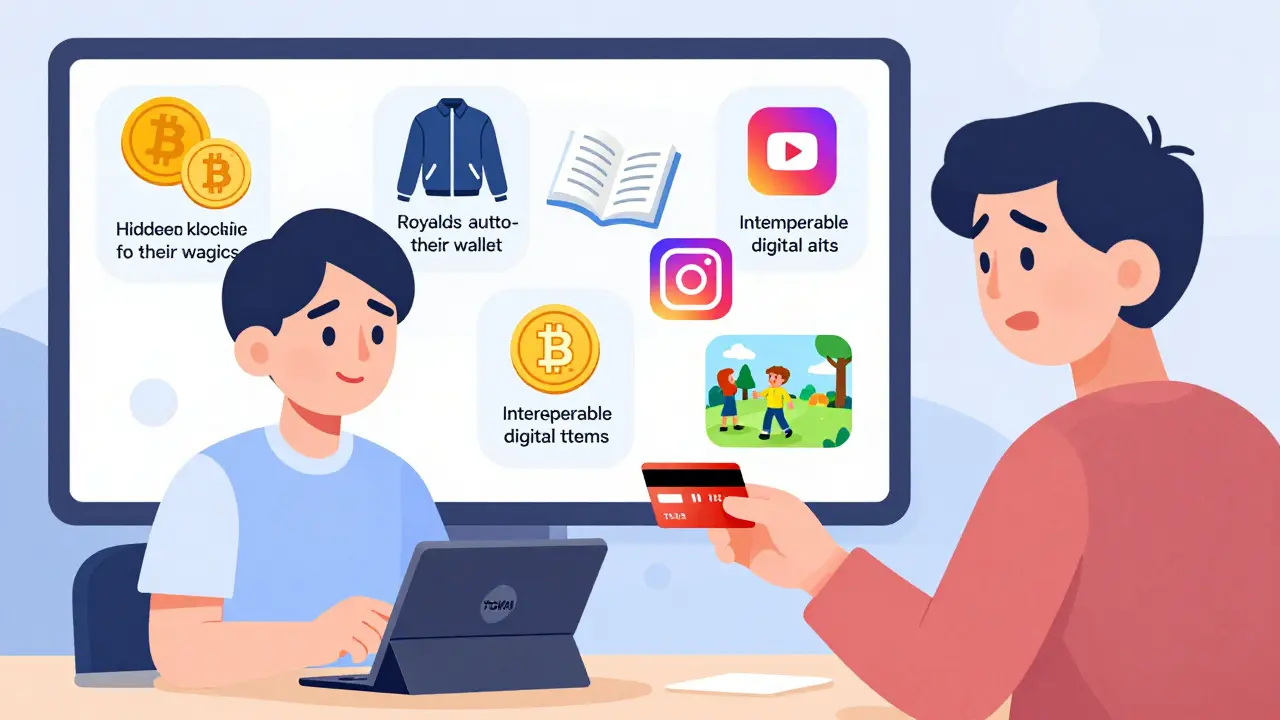
Research from February 2025 introduced TOKN-a system that lets creators tokenize their content on YouTube, Instagram, or TikTok without forcing fans to use crypto wallets. Fans pay in fiat, but the creator receives crypto. The platform handles the conversion behind the scenes. The creator gets the benefits of blockchain: instant payouts, global reach, and royalties. The fan doesn’t need to know how it works.
Substack is testing something similar. Creators can now accept crypto payments alongside PayPal and Stripe. Patreon has started allowing creators to offer NFT perks as part of tiered memberships. These aren’t radical changes-they’re smart adaptations. The goal isn’t to force everyone into Web3. It’s to let creators use Web3 tools without losing their audience.
Why This Beats Traditional Monetization
Let’s compare what creators get:
- Traditional (Patreon/OnlyFans): 70-80% cut to platform. Payouts take 5-7 days. Risk of account suspension. No ownership of audience data.
- Blockchain (Zora/Friend.tech): 85-90% to creator. Payouts in seconds. Royalties on resales. Full ownership of digital assets. Global access without currency conversion fees.
For cross-border payments, blockchain cuts costs by up to 70%. A creator in Nigeria can get paid in real time by a fan in Japan-no bank delays, no forex fees. That’s not possible with PayPal or Stripe.
And the data shows it works. B2B companies using blockchain paywalls report 3x higher content-unlock rates than traditional ones. Why? Because people trust ownership more than subscription boxes.
What’s Holding Back Wider Adoption?
It’s not the tech. It’s the user experience.
Still, 70% of new users quit during wallet setup. They don’t understand seed phrases. They’re scared of losing funds. They think crypto is for hackers. That’s why progressive onboarding is key.
Successful creators start simple. Offer a free "loyalty pass" NFT-no cost, no wallet needed at first. Just email signup. Later, when fans are engaged, invite them to upgrade to a paid NFT. Use familiar interfaces: one-click login with Google or Apple. Hide the blockchain complexity until the user is ready.
Community support matters too. Discord servers, Twitter Spaces, and Telegram groups are where creators teach their fans how to use wallets. The best blockchain monetization isn’t built by engineers-it’s built by teachers.
What’s Next? The Future Is Interoperable
The next wave isn’t just about selling content. It’s about making assets work across platforms. Imagine buying a digital jacket in one game, then wearing it in another. Or unlocking a chapter of your book based on NFT ownership from your podcast. That’s interoperability.
DAOs (decentralized autonomous organizations) are letting fans vote on what content gets made next. Creators are turning their audiences into co-owners. In 2025, some music collectives are using DAOs to fund albums and split profits based on how many NFTs each fan holds.
Regulation is catching up. The U.S. and EU are starting to define what counts as a security versus a utility token. That’s good news. Clear rules mean more brands and institutions will feel safe joining.
By 2027, we’ll likely see every major creator platform offering blockchain options as a toggle-like "use crypto payouts" or "enable NFT perks." The choice won’t be between Web2 and Web3. It’ll be between earning less or earning more-with control.
How to Get Started Today
You don’t need to be a coder. Here’s how to begin:
- Choose one piece of content you want to monetize-a blog post, video, or audio file.
- Use Zora or Foundation to mint it as an NFT. Most platforms let you do this with a credit card.
- Set a royalty (start with 5-10%) so you earn every time it’s resold.
- Share it with your audience. Offer the first 10 copies at a discount.
- Build a simple Discord server to explain how NFT ownership works. Answer questions. Be patient.
Don’t try to do everything at once. Start small. One NFT. One fan. One smart contract. Then scale.
The old model-trading attention for ad revenue-is crumbling. The new one? It’s built on trust, ownership, and direct value exchange. The tools are here. The audience is ready. The only thing left is for you to take the first step.


Jon Martín
This is it. This is the shift. No more begging platforms for crumbs. I just minted my first podcast episode as an NFT and got paid in 12 seconds. No gatekeepers. No demonetization. Just me and my people. The future isn't coming it's already here and it smells like ETH and coffee