

Crypto Risk-Reward Calculator
Risk-Reward Calculator
Ever bought Bitcoin at $60,000 and watched it climb to $70,000-only to see it drop back to $62,000 while you were stuck scrolling through memes? You’re not alone. Most traders lose profits not because they picked the wrong coin, but because they didn’t know when to walk away. That’s where take-profit orders come in. They’re not magic, but they’re one of the simplest tools that turn emotional trading into smart trading.
What Exactly Is a Take-Profit Order?
A take-profit order (T/P) is a preset price level you set when opening a trade. When the market hits that price, your position closes automatically and locks in your profit. No need to stare at your screen. No last-minute panic. Just a clean exit, exactly when you planned it. Think of it like setting an alarm for your money. If you’re long on Ethereum at $3,200 and you believe $3,800 is a strong resistance level, you set a take-profit at $3,800. When Ethereum hits that price, your exchange sells your ETH and puts the profit in your wallet-no action required from you. This works the same way in crypto, forex, or stocks. It’s not about predicting the future. It’s about controlling your reactions.Why Take-Profit Orders Matter More in Crypto
Crypto markets don’t sleep. Prices swing 20% in an hour. One minute you’re up $5,000, the next you’re down $2,000 because someone dumped a big bag on Binance. Manual trading in this environment is a recipe for regret. Take-profit orders remove emotion from the equation. You decide your target before the trade. You stick to it. No FOMO. No revenge trading. Just discipline. Platforms like Binance, Kraken, and Crypto.com let you set take-profit orders directly on spot trades, futures, and even options. You can even adjust them while the trade is active. If the market moves faster than expected, you can raise your target. If it stalls, you can lower it. The control is yours.How to Set a Take-Profit Order: A Step-by-Step Guide
Setting a take-profit isn’t guesswork. It’s based on what the market is telling you. Here’s how to do it right:- Open your trade-buy or sell based on your analysis. Let’s say you’re buying Solana at $120.
- Look at the chart. Where did price reverse before? What’s the next major resistance level? Use tools like Fibonacci retracements, previous highs, or volume clusters.
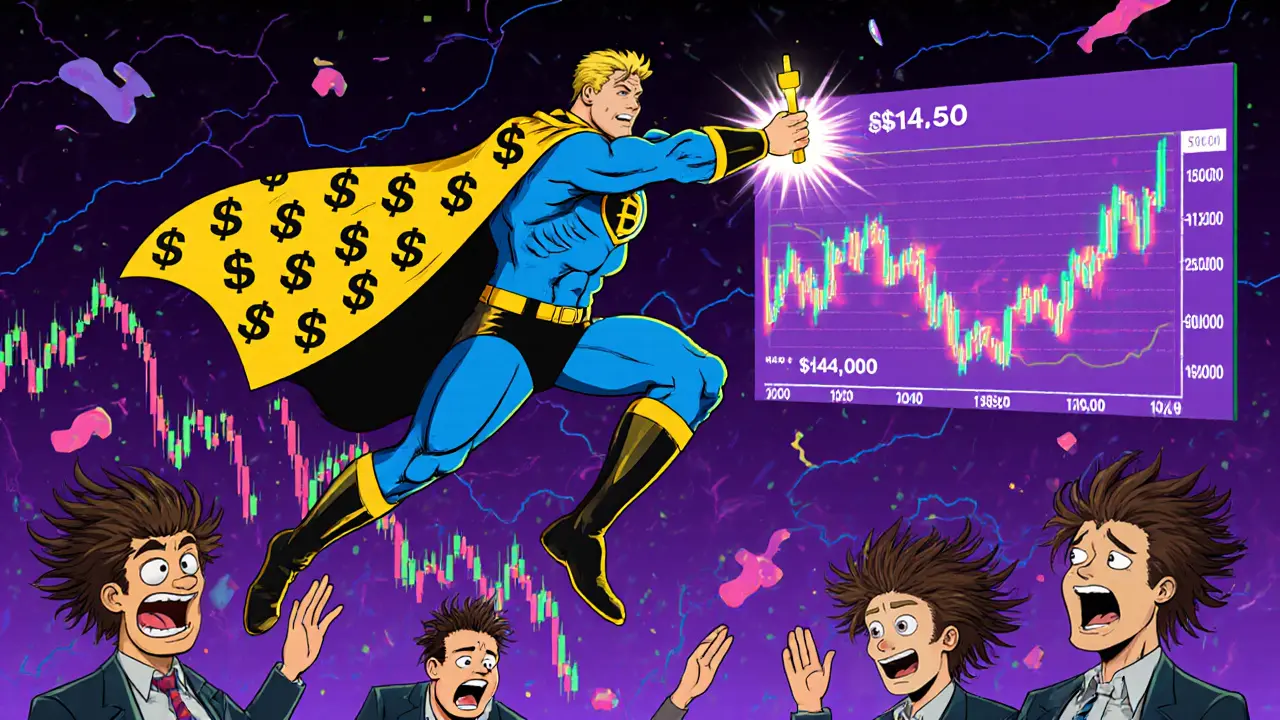
- Set your target. If the last three times Solana hit $145, it bounced back, that’s your zone. Set your take-profit at $144.50 to avoid slippage.
- Confirm the order type. Most platforms use limit orders for take-profits. That means your order will only fill at $144.50 or better. Avoid market orders-they can execute too fast in volatile markets.
- Save and walk away. Don’t check it every 5 minutes. Let the market come to you.
Take-Profit vs. Stop-Loss: The Perfect Pair
A take-profit order isn’t meant to work alone. It’s the profit side of a two-part system. The other half? The stop-loss. Together, they form what professionals call a risk-reward ratio. For example:- You buy Cardano at $0.40.
- You set a stop-loss at $0.37 (30-cent risk).
- You set a take-profit at $0.52 (12-cent reward).
Common Mistakes with Take-Profit Orders
Even simple tools get messed up. Here are the top three errors traders make:1. Setting Targets Too Close
You set a take-profit at $121 when you bought at $120. That’s a 0.8% gain. After fees, you’re barely breaking even. You’re not trading-you’re collecting pennies. In crypto, you need room to breathe. A 5-10% target is more realistic for swing trades. Scalpers might aim for 1-2%, but they’re trading dozens of times a day.2. Moving the Target Too Often
You set a take-profit at $150. Price hits $148. You get nervous. You move it to $155. Price drops to $140. You missed your exit. Now you’re down. Once you set your target, treat it like a contract with yourself. Don’t change it unless the market’s fundamental story changes-like a major news event or protocol update.3. Ignoring Market Liquidity
On low-volume altcoins, your $1.50 take-profit might execute at $1.42 because there aren’t enough buyers. That’s slippage. It’s not your broker’s fault-it’s the market. Always check the order book. If the bid depth at your target is less than your trade size, consider lowering your target slightly or using a limit order to guarantee execution.Advanced Tips: How Pros Use Take-Profit Orders
Experienced traders don’t just set one target. They use multiple take-profit levels. For example:- 50% of your position closes at $140 (partial profit).
- 30% closes at $150 (strong resistance).
- 20% stays open with a trailing stop to catch a breakout.
What Happens When the Market Gaps?
Sometimes, the price jumps from $140 to $145 overnight. Your take-profit at $142 never gets hit. That’s called a gap. It happens in crypto often-especially after major announcements or during weekends. In these cases, limit orders may not fill. That’s why some traders use stop-limit orders for take-profits: they trigger when price hits the stop level, then become a limit order at your target. But even that’s not foolproof. The best defense? Don’t hold positions over long weekends or major events unless you’re prepared to accept the risk. Use take-profits as your safety net-not your only protection.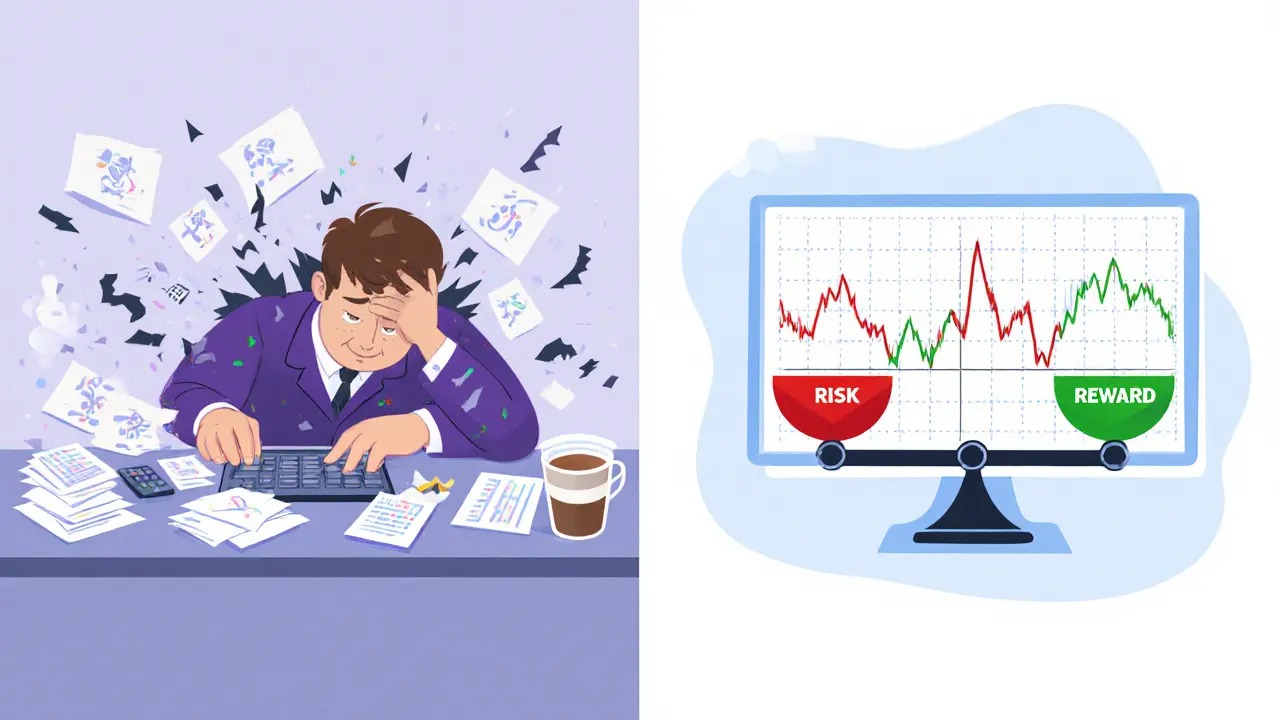
Take-Profit Orders Are a Mindset, Not Just a Tool
The real power of take-profit orders isn’t in the algorithm. It’s in the discipline they force you to build. Crypto rewards patience. It punishes greed. If you’re constantly chasing the next 10x, you’ll burn out. But if you set clear targets, stick to them, and let your wins compound over time-you’ll outlast 90% of traders. You don’t need to be right every time. You just need to be consistent.Frequently Asked Questions
Do take-profit orders work on all crypto exchanges?
Yes. All major exchanges like Binance, Coinbase, Kraken, and Bybit support take-profit orders on spot, futures, and margin trading. Some smaller platforms may not, so check the order types before you trade. Always confirm whether your take-profit is a limit or market order-limit orders give you more control over execution price.
Can I change my take-profit after I’ve placed it?
Absolutely. Most platforms let you edit or cancel your take-profit order anytime before it executes. This is useful if market conditions shift-like a sudden rally or a new token listing that changes demand. Just don’t change it on impulse. Base adjustments on new data, not fear or excitement.
Should I use take-profit orders for long-term holds?
Not usually. If you’re buying Bitcoin or Ethereum for a 2-5 year hold, you’re betting on long-term adoption, not short-term price swings. Take-profit orders are for active trading. For long-term holds, focus on dollar-cost averaging and secure storage instead.
What’s the difference between a take-profit and a limit order?
A limit order is used to enter a trade at a specific price. A take-profit order is used to exit a trade at a specific price. They use the same technical mechanism-limit orders-but serve opposite purposes. Think of a limit order as your entry ticket, and a take-profit as your exit ticket.
Do take-profit orders cost extra?
No. Setting a take-profit order doesn’t cost anything extra. You only pay the standard trading fee when the order executes. Some platforms charge for advanced order types like trailing stops, but basic take-profits are free on every major exchange.


Vanshika Bahiya
Love this breakdown! I started using take-profits after losing a whole ETH bag because I got greedy and thought 'it'll just keep going'-spoiler: it didn't. Setting a target at $3,800 and walking away changed everything. Now I treat trading like a job, not a casino. Seriously, if you're not using these, you're leaving money on the table-and your sanity too. 💪