
You’ve probably seen it pop up in your feed or land in your inbox: The Recharge Incentive Drop is a mysterious cryptocurrency distribution promising free tokens from an 'Unknown' source. It sounds too good to be true. You click the link, and suddenly you’re asked to connect your wallet, sign a transaction, or fill out a form with personal details. But here’s the hard truth: if you can’t find clear, official information about who is behind this drop, you are likely walking into a trap.
In the world of crypto, silence is often suspicious. Legitimate projects scream about their airdrops through verified Twitter accounts, official Discord servers, and reputable news outlets. When a project hides behind "Unknown details," it usually means one of two things: it’s a brand-new testnet that hasn’t launched yet (rare), or it’s a scam designed to drain your wallet (very common). Let’s break down exactly how to spot the difference and keep your assets safe.
Why "Unknown" Should Trigger Your Alarm Bells
Trust is the currency of the blockchain. Without it, transactions are just guesses. When you encounter an airdrop like The Recharge Incentive Drop with no clear team, no whitepaper, and no official website, you lose the ability to verify its legitimacy. Scammers love ambiguity because it prevents you from doing due diligence.
Consider the anatomy of a typical scam airdrop. They often use names that sound professional but generic, like "Incentive," "Reward," or "Drop." They might claim to be associated with major networks like Ethereum or Solana without actually being endorsed by them. The goal isn’t to build a community; it’s to get you to click "Approve" on a malicious smart contract. Once you do, they don’t just take the gas fee-they can potentially drain all compatible tokens in your connected wallet.
Compare this to legitimate historical airdrops. Take the Uniswap retroactive airdrop of UNI tokens to early users. Uniswap was a well-known protocol with years of public development history. Their airdrop was announced via official channels, and the criteria were transparent: interact with the protocol before a specific date. There was no mystery. There was no "Unknown" sender. Just clear rules and verifiable on-chain data.
Types of Crypto Airdrops: What’s Normal vs. What’s Risky
To understand why The Recharge Incentive Drop feels off, we need to look at how real airdrops work. Not all airdrops require money, but almost all require effort or existing holdings. Here is a breakdown of the standard models you’ll see in the industry:
| Airdrop Type | Requirements | Risk Level | Typical Reward |
|---|---|---|---|
| Bounty/Task-Based | Follow social media, join Discord, share posts | Low (Time-consuming) | Small token amounts |
| Holder | Hold specific coins (e.g., ETH, SOL) at snapshot | Medium (Market risk) | Proportional to holdings |
| Interaction/DeFi | Swap, bridge, or lend on a new platform | High (Gas fees + Smart contract risk) | High potential value |
| Scam/Fake | Connect wallet, sign arbitrary message, pay "fee" | Critical (Total loss) | Zero (You lose funds) |
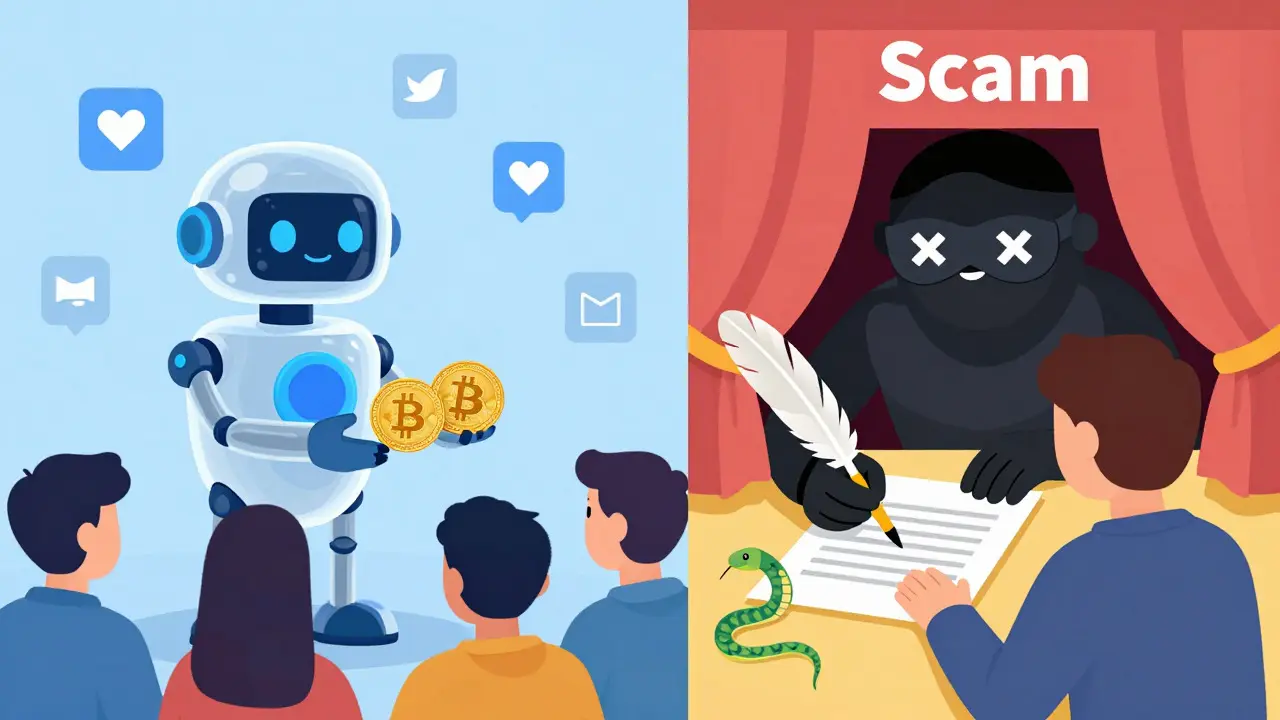
If The Recharge Incentive Drop asks you to pay a "gas fee" upfront to receive tokens, run away. Legitimate airdrops never ask for payment to claim rewards. If it asks you to sign a transaction that doesn’t look like a standard transfer, pause. Scammers use fake interfaces that mimic popular wallets to trick you into approving unlimited spending allowances.
How to Verify Any Airdrop Before Clicking
You don’t need to be a developer to check if an airdrop is legit. You just need a systematic approach. Here is your checklist for vetting any offer, especially those with vague details:
- Check Official Channels: Does the project have a verified Twitter (X) account? Look for the blue checkmark. Do they have an active Discord or Telegram with real humans answering questions, not just bots posting links?
- Search for Red Flags: Go to sites like Etherscan blockchain explorer for Ethereum transactions or Solscan blockchain explorer for Solana network. Search for the token address provided. If the contract is newly created, has no liquidity, and allows the owner to mint infinite tokens, it’s a rug pull waiting to happen.
- Look for Community Discussion: Are people talking about it on Reddit or CoinMarketCap forums? If the only mentions are spam comments in unrelated threads, it’s likely a bot-driven scam.
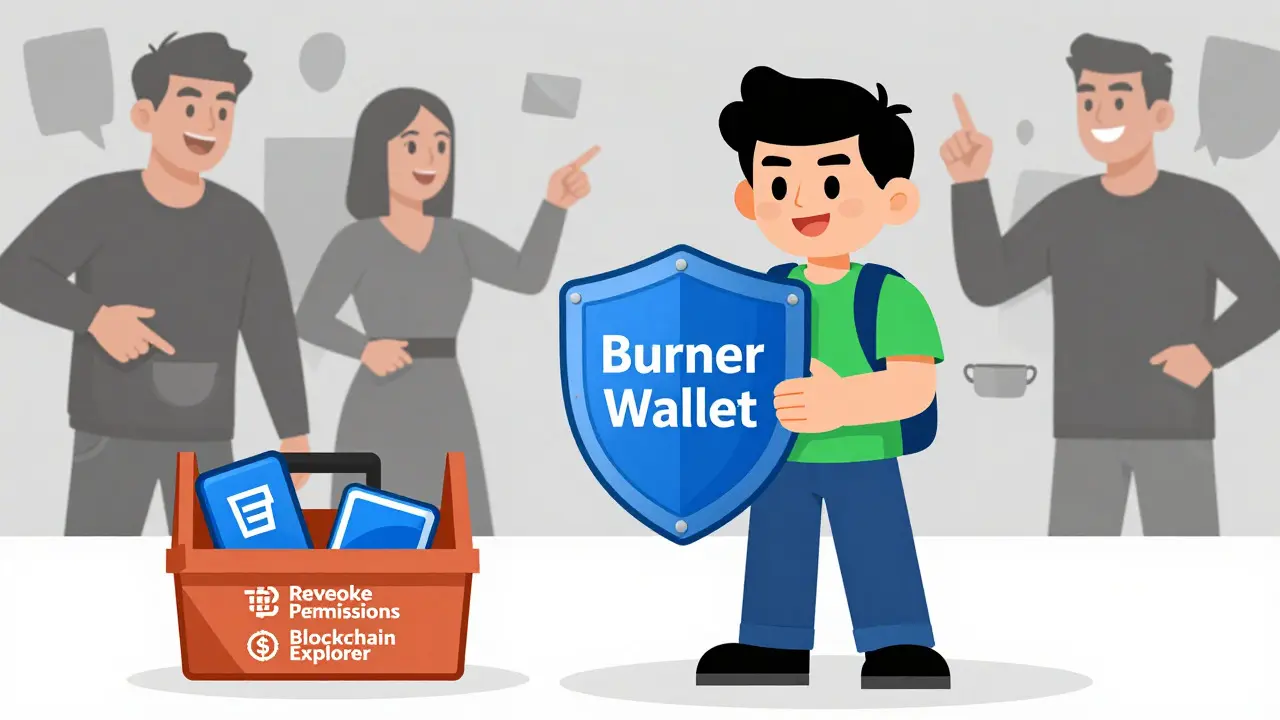
- Use a Burner Wallet: Never connect your main wallet-the one holding your life savings-to an unverified site. Use a secondary wallet with minimal funds. This limits your exposure if something goes wrong.
For example, when the Arbitrum Layer 2 scaling solution for Ethereum airdrop rumors started, thousands of users bridged funds to the network. Why? Because Arbitrum had been publicly developing for years. They had a known team, investors, and a live product. Users were interacting with a real tool, not just clicking a random link. That context matters.
The Psychology Behind "Free" Money Traps
Why do these scams work so well? They exploit human psychology. The fear of missing out (FOMO) is powerful in crypto. You hear stories of people making $10,000 from a simple click, and you want that same luck. Scammers know this. They create urgency: "Claim ends in 24 hours!" or "Only 500 spots left!"
But remember this rule: if it feels rushed, it’s probably bad. Legitimate projects give you time. They publish FAQs. They respond to concerns. The Recharge Incentive Drop, with its "Unknown details," relies on your impatience. It hopes you won’t bother checking the fine print because the reward looks so easy.
Another tactic is social proof manipulation. Scammers hire fake influencers to post screenshots of massive earnings. These images are often edited. Always ask for the raw data. Can you see the transaction hash? Can you verify the balance increase on the blockchain yourself? If the answer is no, treat the claim as false until proven otherwise.
What to Do If You Already Connected Your Wallet
Panic helps no one. If you’ve already connected your wallet to a suspicious site claiming to be The Recharge Incentive Drop, take these steps immediately:
- Revoke Permissions: Use tools like Revoke.cash tool for managing wallet approvals or Unrekt security tool for revoking token approvals. These platforms scan your wallet for active approvals and let you cancel them. This stops scammers from draining your tokens later.
- Move Funds: Transfer your remaining assets to a new, clean wallet. Create a fresh seed phrase and store it securely offline. Assume the old wallet is compromised.
- Check Transaction History: Review your recent transactions on the blockchain explorer. Did you send anything unexpectedly? If so, document it. While recovery is rare, having records helps if you need to report the incident to exchanges or authorities.
Prevention is always cheaper than cure. By keeping your main wallet isolated and using burner wallets for testing new protocols, you minimize the blast radius of any potential hack.
Legitimate Alternatives to Watch in 2026
If you’re looking for real airdrop opportunities, focus on ecosystems with strong fundamentals. Instead of chasing unknown drops, consider participating in testnets or early-stage DeFi protocols that have public roadmaps.
For instance, Layer 2 solutions continue to be hotbeds for retroactive rewards. Projects building on Optimism another Ethereum Layer 2 scaling solution or zkSync zero-knowledge rollup technology for Ethereum often reward early users. These aren't guaranteed, but they are based on actual usage of functional products. Another area to watch is modular blockchains and interoperability protocols, which are gaining traction in 2026. Engage with these projects by providing feedback, reporting bugs, and contributing to governance discussions. This builds genuine value, unlike mindlessly clicking links for phantom rewards.
Also, keep an eye on established DAOs (Decentralized Autonomous Organizations). Many govern their own treasuries and occasionally distribute grants or tokens to active contributors. This requires work-writing proposals, moderating chats-but it’s a sustainable way to earn crypto without gambling on shady schemes.
Is The Recharge Incentive Drop a legitimate airdrop?
As of July 2026, there is no verifiable evidence that The Recharge Incentive Drop is a legitimate project. The lack of official sources, team details, and clear mechanics strongly suggests it is either a scam or a very obscure private event. Exercise extreme caution and avoid connecting your main wallet.
How can I tell if a crypto airdrop is a scam?
Red flags include: requests for upfront payments, vague "unknown" organizers, pressure to act quickly, and links from unverified sources. Always check for official social media verification, read community reviews, and use a burner wallet for interactions.
Should I pay gas fees to claim an airdrop?
Generally, no. While some interaction-based airdrops require small gas fees for on-chain actions like swapping, airdrops that ask you to send tokens directly to a wallet address to "unlock" rewards are almost always scams. Legitimate distributions are pushed to your wallet, not pulled from it.
What should I do if I connected my wallet to a suspicious site?
Immediately revoke all token approvals using tools like Revoke.cash. Then, move any remaining funds to a new wallet with a fresh seed phrase. Treat the compromised wallet as unsafe for future storage of significant assets.
Are there any safe ways to earn crypto airdrops in 2026?
Yes. Focus on established Layer 2 networks like Arbitrum, Optimism, and zkSync. Participate in their testnets, provide liquidity on reputable DeFi platforms, and engage with DAOs. Always prioritize projects with transparent teams and long-standing reputations over anonymous offers.