

Filda (FILDA) isn’t just another crypto coin-it’s the token of a once-promising DeFi lending protocol that exploded in 2021, then vanished almost as quickly. If you’re wondering what FILDA is today, the answer isn’t just about price charts. It’s about a project built for a specific moment, in a specific market, that couldn’t survive when that moment passed.
What FilDA actually was
FilDA wasn’t a coin first. It was a lending protocol. Think of it like a digital bank that runs on blockchain code, not human tellers. Users could deposit crypto like USDT, ETH, or HECO’s native HT and earn interest. Others could borrow against those deposits, using their crypto as collateral. All of this happened automatically through smart contracts-no middlemen, no paperwork. What made FilDA different was where it lived. While most DeFi projects ran on Ethereum, FilDA was built specifically for the Huobi ECO Chain (HECO). That meant transactions cost pennies instead of dollars. At its peak, a single swap on FilDA cost $0.0003. On Ethereum? Around $1.75. That tiny difference made FilDA wildly popular with retail investors in China, where transaction fees are a big deal. It wasn’t just cheap-it was fast. Withdrawals took under 15 seconds. Interest rates were competitive, sometimes hitting 14% APY on stablecoins. By mid-2021, over $2.1 billion was locked in the protocol. That’s more than most centralized banks have in savings accounts.How FilDA worked under the hood
FilDA was a fork of Compound, the original DeFi lending protocol. But it wasn’t a copy-paste job. The team modified it to work across multiple chains: Ethereum, NEO, Elastos, and HECO. That meant you could deposit ETH on Ethereum and borrow HECO tokens on HECO-all in one place. One unique feature was letting users use LP tokens (from yield farming pools) as collateral. That let people borrow against their farming rewards without selling them. It was smart, and few other protocols did it back then. The protocol used variable interest rates that shifted based on supply and demand. If lots of people wanted to borrow USDT, the rate went up. If nobody was borrowing, it dropped. That kept things balanced. Governance was supposed to be decentralized. FILDA token holders could vote on changes-like adjusting interest rates or adding new assets. But here’s the catch: only 3.7% of tokens were ever used in a vote. Most people held onto their coins, hoping the price would rise. The DAO was more theory than practice.Why FilDA took off-and why it crashed
FilDA’s rise was tied to Huobi’s marketing machine. Huobi, one of the world’s biggest crypto exchanges at the time, pushed FilDA hard to its 20 million users. Most of them were retail investors in China. The protocol was easy to use through Huobi Wallet. No complicated setups. Just connect, deposit, earn. But that was also its downfall. FilDA didn’t build its own user base. It rode Huobi’s. When China banned all crypto trading in September 2021, Huobi pulled back. The user base evaporated. By December 2021, FilDA’s total value locked (TVL) dropped from $2.1 billion to $378 million. A year later, it was just $41 million. The August 2021 security exploit didn’t help. A $500,000 hack happened because of faulty price feeds. The team patched it, but trust was shaken. Social mentions dropped 63% in one month. People started leaving. Meanwhile, competitors like Aave and Venus kept improving. They added new assets, better security, and institutional features. FilDA didn’t. Its last major update was in March 2022. The GitHub repo hasn’t seen real code since May 2022. The roadmap? Dead.
The FILDA token today
The FILDA token peaked at $4.35 in May 2021. As of December 2023, it trades at $0.078. That’s a 98.2% drop. Most of the supply is locked in wallets that haven’t moved in years. Trading volume is near zero. There’s no active development. No new listings. No partnerships. No liquidity pools being maintained. The token exists-but it’s not functional. You can’t use it to vote. You can’t earn interest with it anymore. It’s a relic. Some people still hold it, hoping for a revival. But there’s zero evidence one is coming. No team updates. No community momentum. No exchange support. Even Huobi’s website no longer lists FilDA as an active project.Who was FilDA for?
FilDA was built for one kind of user: a retail crypto investor in China who wanted to earn yield without paying high fees. It wasn’t for institutions. It wasn’t for developers. It wasn’t for long-term DeFi builders. It was perfect for people who:- Had basic DeFi experience (used MetaMask or TokenPocket)
- Wanted high APY on stablecoins
- Didn’t mind locking assets into a single-chain ecosystem
- Trusted Huobi’s brand
Is FilDA worth anything now?
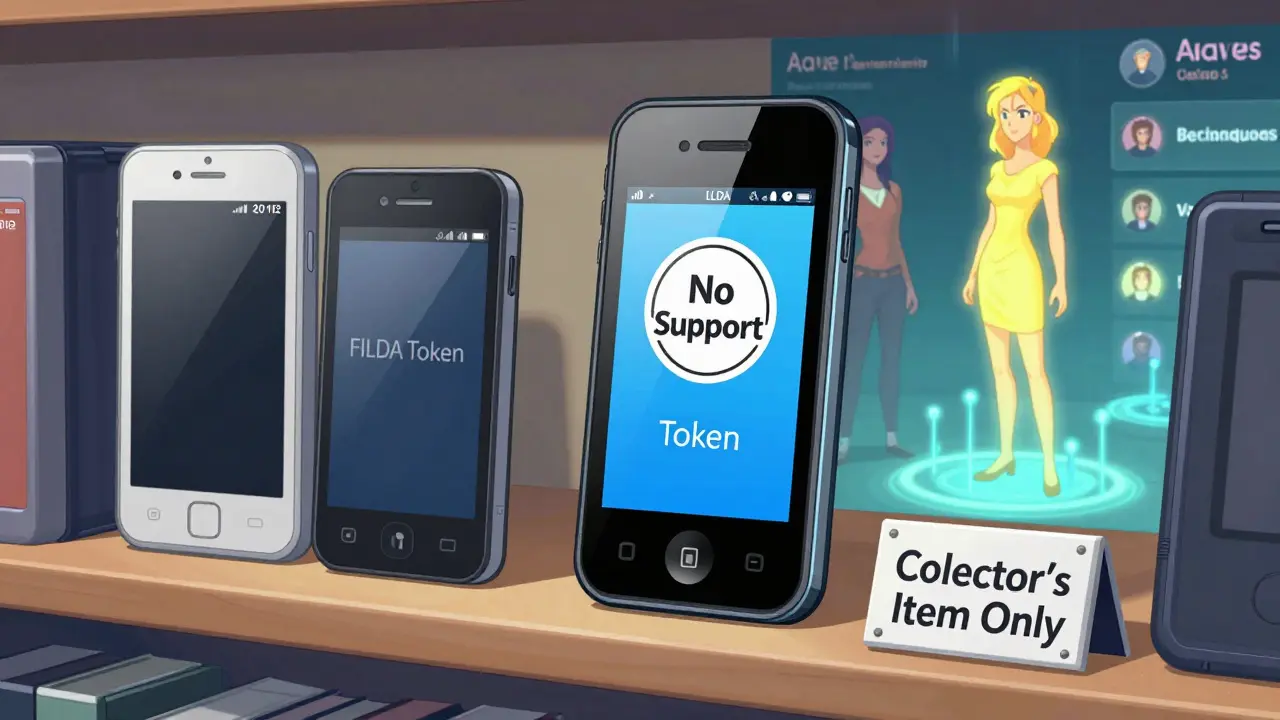
If you’re asking whether you should buy FILDA today, the answer is no-not as an investment, not as a tool, not as a bet on the future. It’s not a coin you can use. It’s not a protocol you can interact with. It’s not a project with a team or roadmap. The only value it has is speculative-and even that’s fading. There’s no demand. No liquidity. No reason for it to come back. Think of it like a smartphone from 2012. The hardware still works. The software still boots. But no apps run on it. No one supports it. You can keep it as a collector’s item, but don’t expect it to do anything useful.What FilDA teaches us
FilDA’s story isn’t about a bad product. It was technically solid. The interest rates were fair. The fees were low. The interface worked. It failed because it was built on a foundation that couldn’t last: a single exchange’s user base, a single country’s regulatory tolerance, and zero innovation after launch. The lesson? DeFi protocols that rely on centralized platforms for growth rarely survive when those platforms retreat. True decentralization means building your own community-not borrowing someone else’s. FilDA was a flash in the pan. A product of its time. A bubble wrapped in smart contracts. Today, it’s a cautionary tale-not a crypto opportunity.What to do if you still hold FILDA
If you own FILDA tokens:- Don’t expect a price rebound. There’s no catalyst coming.
- Don’t stake it. There’s no yield anymore.
- Don’t send it to exchanges expecting to trade. Most don’t list it.
- If you want to cut losses, sell on a small exchange that still lists it-but expect a low price.
- Keep it only if you’re preserving a record of DeFi history, not as an investment.


Earlene Dollie
FILDA was the ultimate emotional rollercoaster for retail investors
One day you're earning 14% on USDT, next day your wallet's a ghost town
It felt like winning the lottery and then realizing the ticket was printed on tissue paper