
Have you ever scrolled through your feed and seen a frog wearing sunglasses, only to realize it’s now a cryptocurrency? If so, you’ve likely encountered the chaotic world of meme coins. But what happens when you mix that internet humor with the buzzword of the decade: Artificial Intelligence? Enter Pepe AI (BSC) (PEPEAI).
You might be wondering if this is just another joke token or if there’s actual tech behind the name. The short answer? It’s complicated. Pepe AI (PEPEAI) is a speculative cryptocurrency token on the BNB Smart Chain that combines the viral popularity of the Pepe the Frog meme with claims of AI integration. It sits at the intersection of internet culture, decentralized finance (DeFi), and high-risk speculation.
In this guide, we’ll strip away the marketing fluff. We’ll look at what PEPEAI actually is, how it works on the blockchain, whether its "AI" features are real, and most importantly, what risks you face if you decide to buy in. This isn’t financial advice-it’s a reality check.
What Exactly Is Pepe AI (PEPEAI)?
To understand PEPEAI, you first have to separate the branding from the technology. On the surface, it looks like a standard meme coin. It uses the image of Pepe the Frog, a character created by artist Matt Furie that became one of the most recognizable memes on the internet. However, the project explicitly states that it is not officially linked to Matt Furie or his estate. This is a crucial detail for any investor, as it means the token operates without the creator's endorsement.
So, where does the "AI" come in? The project markets itself as more than just a funny picture. According to listings on platforms like HTX (formerly Huobi), Pepe AI aims to build a "community-driven ecosystem" that leverages artificial intelligence to enhance decentralized finance. The pitch is simple: use blockchain for transparency and AI for efficiency.
However, when you dig deeper, the specifics get fuzzy. There are no public whitepapers detailing specific machine-learning models, no GitHub repositories showing code for AI algorithms, and no named development team. In the crypto world, this anonymity is common for meme coins, but it raises questions about who is actually building the promised technology.
| Attribute | Detail |
|---|---|
| Token Name | Pepe AI (BSC) |
| Ticker Symbol | PEPEAI |
| Blockchain | BNB Smart Chain (BSC) |
| Total Supply | 69 Trillion (69,000,000,000,000) |
| Category | Meme Coin / Speculative Asset |
| Official Affiliation | None (Not affiliated with Matt Furie) |
How Does PEPEAI Work on the Blockchain?
Unlike Bitcoin, which runs on its own network, PEPEAI is a token built on top of an existing blockchain. Specifically, it lives on the BNB Smart Chain (formerly known as Binance Smart Chain). This is significant because BSC is an EVM-compatible chain, meaning it works similarly to Ethereum but with faster transaction speeds and much lower fees.
Technically, PEPEAI is a BEP-20 token. This is the standard format for tokens on the BNB Smart Chain. When you hold PEPEAI, you aren’t holding a native coin like BNB; you’re holding a digital receipt recorded on the BSC ledger that says you own a certain amount of PEPEAI.
The project claims to use "smart contracts"-self-executing code that automates transactions-to facilitate its operations. While smart contracts are standard for almost all modern crypto projects, PEPEAI’s marketing suggests these contracts are enhanced by AI to improve speed and automation. Without open-source code to verify, however, this remains a theoretical benefit rather than a proven feature. For now, it functions primarily as a transferable asset within the DeFi ecosystem.
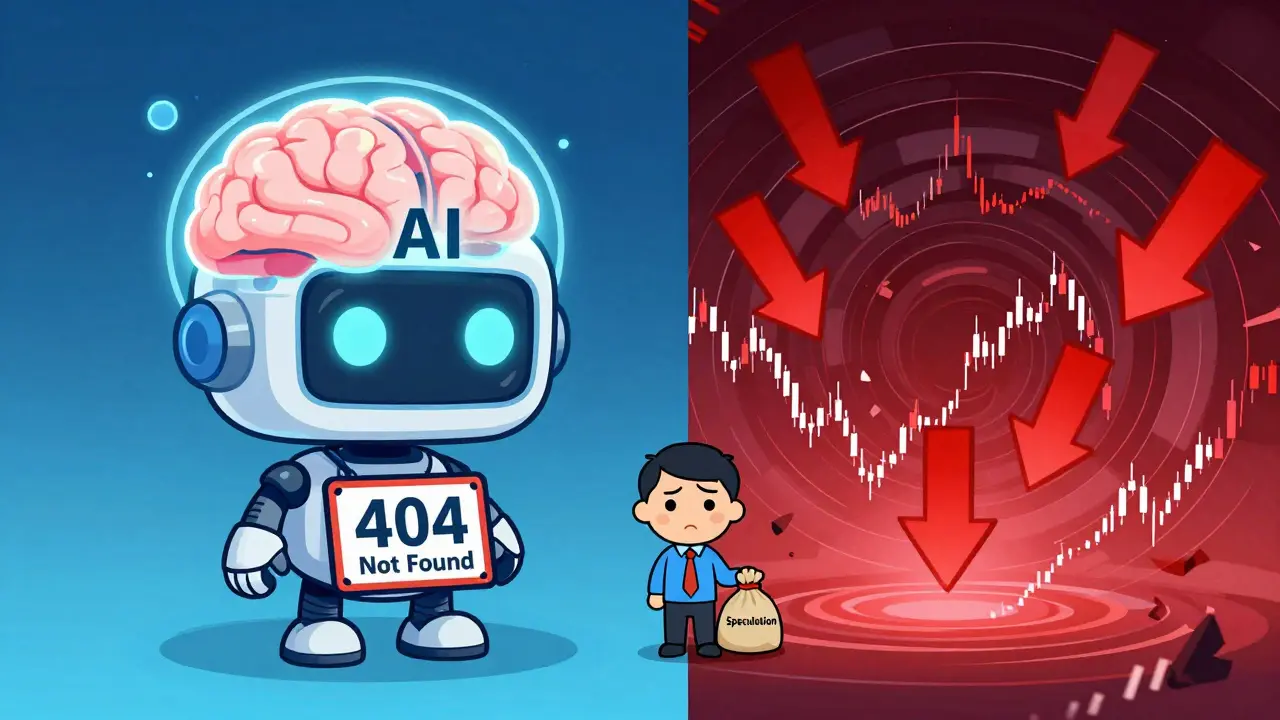
The "AI" Hype vs. Reality
Artificial Intelligence is the hottest topic in tech right now, and crypto projects are quick to slap "AI" onto their names to attract attention. But does PEPEAI actually do anything with AI?
Based on available data from major exchanges and aggregators, the answer is unclear. Here is what we know:
- No Public Technical Specs: There are no published details about neural networks, data processing, or AI-driven trading bots associated with the token.
- Marketing Narrative: The project describes itself as harnessing "cutting-edge capabilities" to create a secure platform. This is vague language often used in early-stage projects.
- Comparison to True AI Coins: Tokens like Fetch.ai (FET) or Render (RNDR) have clear utility-they provide computing power or automate tasks. PEPEAI currently lacks this demonstrable utility.
For now, the "AI" part of Pepe AI seems to be part of its brand identity rather than its functional core. Investors should treat it as a meme coin first and an AI project second, unless concrete technical documentation is released.
Tokenomics: Understanding the Supply
When evaluating any cryptocurrency, you need to look at its tokenomics-the economics of how the token is distributed and valued. PEPEAI has some extreme numbers here.
The total supply of PEPEAI is set at 69 trillion tokens. Yes, trillion. This massive supply is typical for meme coins, which aim to make individual tokens cheap enough that buyers can afford millions of them. Psychologically, owning "1 million PEPEAI" feels better than owning "0.001 BTC," even if the dollar value is the same.
However, a huge supply doesn’t tell the whole story. What matters more is the circulating supply (how many tokens are actually in play) and the market cap (total value). Data from platforms like Kraken and Crypto.com often shows incomplete market cap figures for PEPEAI, suggesting that liquidity is thin and not all tokens are actively traded.
There is also no clear information on:
- Vesting Schedules: How long do the creators hold their tokens before they can sell?
- Burn Mechanisms: Are tokens being destroyed to reduce supply over time?
- Team Allocation: What percentage of the 69 trillion is held by insiders?
This lack of transparency is a red flag for conservative investors. In mature projects, these details are clearly outlined in a whitepaper.
Price Volatility and Market Risk
If you think regular stocks are volatile, wait until you see a micro-cap meme coin. PEPEAI is classified as a micro-cap asset, meaning its total market value is very low compared to giants like Bitcoin or Ethereum. This makes it incredibly sensitive to small trades.
Let’s look at some recent price action to illustrate the risk:
- All-Time High (ATH): Reports indicate an ATH around $0.24 (though units vary by platform).
- All-Time Low (ATL): Dropped as low as $0.000000000045.
- Recent Swings: One snapshot showed a 7-day drop of -62%. Another day might show a +3% gain. These swings happen frequently.
The trading volume is also telling. At times, the 24-hour trading volume has been reported as low as $11.02. To put that in perspective, that’s less than the cost of a lunch. Low volume means low liquidity. If you try to sell a large amount of PEPEAI, you might crash the price because there aren’t enough buyers waiting on the other side.
This creates a "pump and dump" environment. Prices can spike rapidly due to social media hype, only to collapse just as quickly when early holders cash out. Always remember: with micro-caps, you can lose 100% of your investment overnight.
Where Can You Buy PEPEAI?
Unlike Bitcoin or Ethereum, you won’t find PEPEAI listed on the main order books of major centralized exchanges like Coinbase Pro or Kraken’s primary markets. Instead, access is fragmented and requires a bit of technical know-how.
Here is the current landscape for acquiring PEPEAI:
- Decentralized Exchanges (DEXs): This is the primary route. You need to connect a non-custodial wallet (like MetaMask or the Binance Web3 Wallet) to a DEX on the BNB Smart Chain, such as PancakeSwap. You would swap BNB or USDT for PEPEAI directly on-chain.
- HTX (Huobi): HTX lists PEPEAI and provides price charts and limited trading pairs. This offers slightly easier access for users already on the platform, but liquidity may still be thin.
- Crypto.com & Kraken: These platforms track the price of PEPEAI for informational purposes but often state that the token is "not tradable yet" or lack full market data. You cannot simply click "Buy" for PEPEAI on their main interfaces.
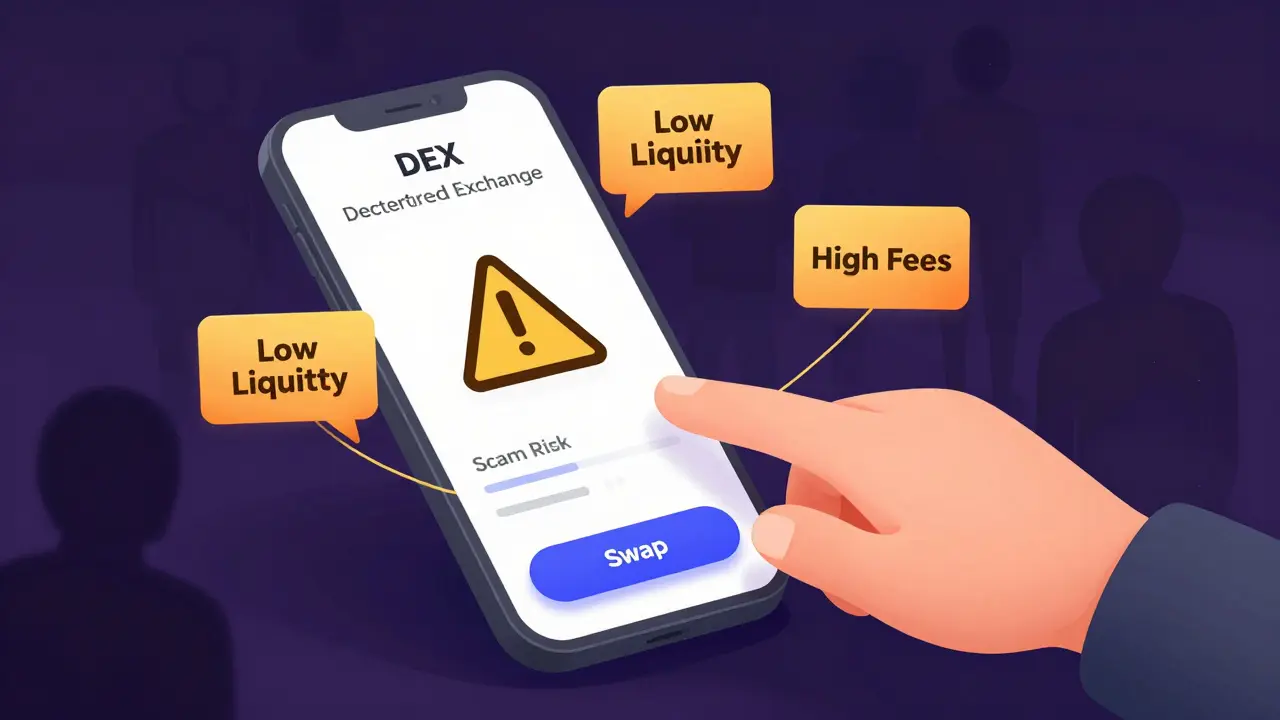
Buying via a DEX introduces additional risks. You must manage your own private keys, pay gas fees (in BNB), and ensure you are connecting to the legitimate contract address. Scam tokens with similar names are common on BSC. Always double-check the contract address from multiple reliable sources before swapping.
Is Pepe AI a Good Investment?
I’m going to be direct: Pepe AI is not an investment; it is a speculation. There is a big difference.
An investment implies underlying value-cash flows, revenue, or utility-that supports the price. PEPEAI currently derives its value entirely from community sentiment and hype. It has no revenue model, no verified AI product, and no famous backers.
That said, meme coins have made fortunes for lucky traders. The key is understanding the odds. For every person who turns $100 into $10,000, thousands lose their entire principal. Here is a checklist to ask yourself before buying:
- Can I afford to lose this money? If the answer is no, do not buy.
- Am I chasing the pump? Buying after a 50% daily spike is usually too late.
- Do I understand the exit strategy? With low liquidity, selling can be difficult. Do you have a plan to take profits?
- Am I comfortable with anonymity? You are trusting anonymous developers with your funds.
If you are looking for exposure to AI in crypto, consider established projects with working products. If you are looking for entertainment and high-risk gambling, PEPEAI fits the bill-but keep your position size tiny.
Conclusion: Proceed with Caution
Pepe AI (PEPEAI) is a fascinating example of how crypto culture evolves. It takes a beloved meme, adds a trendy tech buzzword, and launches it on a fast, cheap blockchain. But beneath the branding lies a highly speculative asset with minimal transparency and extreme volatility.
As of mid-2026, PEPEAI remains a niche token. It lacks the institutional support, technical depth, and liquidity of top-tier cryptocurrencies. While the BNB Smart Chain provides a robust infrastructure, the token itself relies heavily on community momentum. Treat it as a lottery ticket, not a savings account. Always do your own research, verify contract addresses, and never invest more than you can afford to watch disappear.
Is Pepe AI (PEPEAI) a scam?
There is no definitive proof that PEPEAI is a fraudulent scheme designed to steal funds directly (like a honeypot), but it carries high risks typical of unverified meme coins. The anonymity of the team, lack of audited smart contracts, and extreme volatility mean investors could lose all their money if the project abandons development or if liquidity dries up. Always verify the official contract address to avoid fake copies.
Does Pepe AI actually use Artificial Intelligence?
Currently, there is no verifiable evidence of AI integration in PEPEAI. The project uses "AI" in its branding to appeal to market trends, but unlike dedicated AI crypto projects, it does not publish technical specifications, code repositories, or case studies demonstrating AI functionality. It should be viewed primarily as a meme coin.
How do I buy PEPEAI safely?
The safest way to buy PEPEAI is through a reputable decentralized exchange (DEX) like PancakeSwap using a self-custody wallet (e.g., MetaMask or Trust Wallet). First, acquire BNB for gas fees. Then, connect your wallet to the DEX and paste the official contract address for PEPEAI. Never click links from social media ads, as these often lead to phishing sites or fake tokens.
Why is the price of PEPEAI so low?
The price is low because the total supply is massive (69 trillion tokens). Meme coins often use high supplies to make individual token prices appear affordable (e.g., fractions of a cent). However, the low price does not mean it is "cheap" in terms of value; you must look at the market cap and circulating supply to determine true valuation.
Is Matt Furie involved with Pepe AI?
No. The project explicitly states that it is not officially linked to Matt Furie, the creator of the Pepe the Frog character. Many meme coins use popular characters without permission, which can sometimes lead to legal issues, though this has not stopped the trading of such tokens.


Mekz Wheoki
Oh look, another frog coin trying to ride the AI wave. Groundbreaking stuff.