
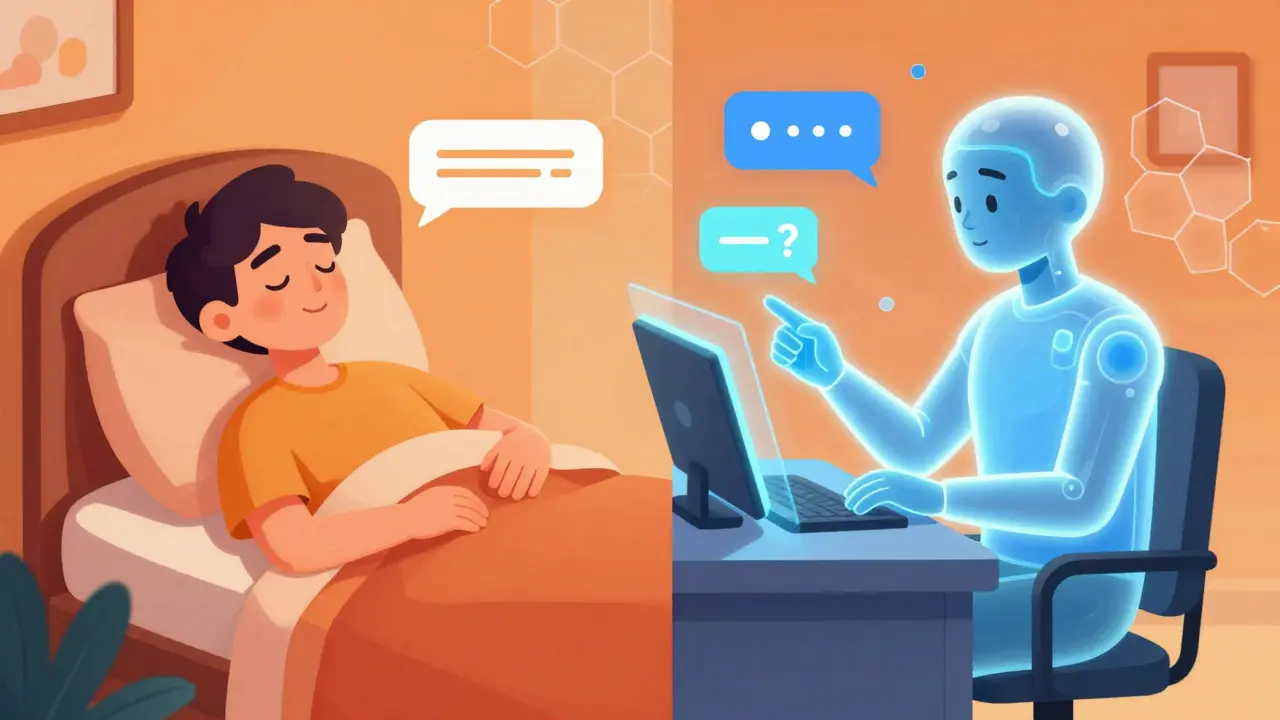
Imagine a version of yourself that never sleeps, answers questions based on your life's work, and earns money while you sleep. That is the core promise of Twin Protocol, a blockchain project that blends generative artificial intelligence with decentralized finance to create monetizable "AI Twins." The native asset for this ecosystem is the TWIN token, an ERC-20 utility coin on the Ethereum network designed to power access, payments, and rewards within the platform.
However, before you buy in, it helps to understand that TWIN is not just one simple thing. The brand has evolved from a DeFi-focused experiment into an AI-centric platform, leading to some confusion about supply numbers and token versions. This guide breaks down what Twin Protocol actually does, how the TWIN token works, and where the risks lie for anyone looking to invest or use the technology.
Key Takeaways
- Twin Protocol uses blockchain and AI to create digital replicas of individuals for mentorship and knowledge preservation.
- The primary TWIN token is an ERC-20 utility asset on Ethereum with a maximum supply of 1 billion.
- The project pivoted from a smaller DeFi model (TWIN Finance) to a larger AI-platform model in 2024.
- Liquidity is currently low, with trading volumes often under $2,000 per day on major trackers.
- Data inconsistencies exist across price trackers regarding circulating supply and market cap.
How Twin Protocol Works: The AI Twin Concept
At its heart, Twin Protocol is about personal branding and knowledge retention. Instead of training a general-purpose chatbot, users upload their specific data-articles, videos, podcasts, or past interactions-to train a personalized AI agent. This agent, or "twin," learns the user's voice, expertise, and style. Once trained, the twin can interact with others autonomously, answering questions or providing advice as if the original person were present.
The blockchain component ensures ownership. Each AI twin is represented on-chain, meaning the creator holds verifiable rights over their digital self. The TWIN token acts as the fuel for this system. Creators might charge subscribers in TWIN tokens to chat with their twin, or earn rewards for keeping their twin active and updated. For consumers, it offers 24/7 access to industry leaders' insights without scheduling calls or waiting for email replies.
In November 2024, the team launched eleven public-domain AI twins based on iconic historical figures. This move highlighted the platform's focus on "ethically engineered" AI, using legally safe training data to avoid copyright disputes. It also signaled a shift toward cultural and educational use cases, not just business mentorship.
TWIN Token Mechanics and Supply
The current iteration of the TWIN token is an ERC-20 standard cryptocurrency on the Ethereum mainnet. Here are the critical attributes you need to know:
| Attribute | Value |
|---|---|
| Token Name | TWIN |
| Network | Ethereum (ERC-20) |
| Total Supply | 1,000,000,000 |
| Max Supply | 1,000,000,000 |
| Type | Utility Token |
| Primary Use | Platform access, payments, rewards |
The total supply is fixed at 1 billion TWIN. However, the circulating supply varies significantly depending on which data provider you check. As of mid-2025, CoinMarketCap reported a self-reported circulating supply of 45 million, while other trackers like CryptoRank listed nearly 191 million. This discrepancy is a red flag for investors, as it makes calculating accurate market capitalization difficult. A lower circulating supply suggests higher potential upside if adoption grows, but also means fewer tokens are actively changing hands, which can lead to volatile price swings.
The DeFi Origins: TWIN Finance vs. AI Platform
If you dig into older documentation, you might find references to "TWIN Finance," a DeFi protocol deployed on Arbitrum and BNB Chain. This earlier version had a much smaller initial supply of 5 million TWIN, with emissions planned to reach 10 million by the launch of its own decentralized exchange (DEX).
This creates a confusing landscape. Did the old TWIN merge with the new one? Or are they separate contracts? On-chain analytics suggest the Arbitrum-based contract (address ending in ...64349) still exists with a total supply of around 5 million, trading at a different price point than the main Ethereum TWIN. Most retail investors and major aggregators now focus on the 1-billion-supply ERC-20 token associated with the AI platform. Unless you are specifically targeting the niche DeFi yield opportunities on Arbitrum, you should assume the primary asset is the Ethereum-based TWIN.
Current Market Status and Liquidity
TWIN is a micro-cap asset. In August 2026, prices have hovered between $0.0001 and $0.0005 on various exchanges. Trading volume is extremely thin. On CoinGecko, the 24-hour volume was recently recorded at just $1,449. Compare that to established cryptocurrencies that trade billions daily. This low liquidity means that buying or selling large amounts of TWIN could cause significant slippage, pushing the price up or down sharply against your interest.
The primary venue for trading appears to be Uniswap V2 on Ethereum. While being listed on major data platforms like Binance and CoinMarketCap adds visibility, actual order book depth remains shallow. If you plan to hold TWIN, expect limited exit options during periods of high volatility. You may find it hard to sell quickly without moving the market price.
Risks and Considerations for Investors
Investing in TWIN comes with specific risks beyond standard crypto volatility:
- Data Inconsistency: With circulating supply figures varying by over 480% across trackers, valuations are unreliable. Always verify on-chain data directly if precision matters.
- Lack of Institutional Adoption: There is no evidence of major enterprise partnerships or institutional holdings yet. The user base seems to consist mainly of early adopters and speculators.
- Regulatory Ambiguity: While registered in the US since 2021, the token is classified as a utility asset. However, any revenue-sharing mechanisms tied to AI twins could potentially trigger securities regulations in the future.
- Technical Complexity: Creating and managing an AI twin requires understanding both AI data management and blockchain wallet operations. The learning curve is steeper than using a simple dApp.
On the positive side, the concept addresses a real pain point: the scarcity of expert time. If Twin Protocol successfully scales its AI twin creation tools, TWIN could become a necessary payment rail for a new economy of digital labor. But right now, the technology is still in its early stages, and the token's value is largely speculative.
Frequently Asked Questions
What is the main use case for the TWIN token?
The TWIN token is primarily used as a utility asset within the Twin Protocol ecosystem. It facilitates payments for accessing AI twins, rewards creators for maintaining their digital avatars, and serves as the unit of account for platform economics. It is not currently used for staking in the traditional sense, though governance features may evolve.
Is TWIN a good investment in 2026?
TWIN is a high-risk, micro-cap asset. Its value depends on the successful adoption of AI twin technology. Given the low trading volume and inconsistent supply data, it is suitable only for investors comfortable with high volatility and illiquidity. It lacks the robust fundamentals and liquidity of major cryptocurrencies.
Where can I buy TWIN?
The most popular venue for trading TWIN is Uniswap V2 on the Ethereum network. It is also tracked on major centralized exchanges like Binance, though liquidity there may be passive or limited. Always check the official contract address to avoid fake tokens.
What is the difference between TWIN and veTWIN?
veTWIN is a vote-escrowed version of the token used in the older TWIN Finance DeFi protocol on Arbitrum. Users lock TWIN to receive veTWIN, which grants governance voting power. The newer AI-focused TWIN token on Ethereum does not currently feature a prominent veTWIN mechanism, suggesting a different governance structure for the AI platform.
Can anyone create an AI Twin on Twin Protocol?
Yes, the platform is designed for non-technical users. It offers a guided interface for uploading data and training a personalized AI twin. However, effective twins require high-quality input data, such as consistent writing samples or video content, to ensure the AI accurately reflects the user's personality and expertise.