
When diving into Cryptocurrency, digital assets that use cryptography to secure transactions and control new unit creation. Also known as crypto, it powers everything from simple payments to complex financial apps.
One of the biggest DeFi ecosystems lives inside cryptocurrency. DeFi decentralized finance services that replace banks with smart contracts lets users lend, borrow, and earn yield without a middleman. This decentralized model directly influences how crypto markets move and why yield farming guides are in high demand.
Another key driver is the Airdrop free token distribution used to kickstart a project’s community. Airdrops often spark sudden price spikes, making them a hot topic for traders looking for quick opportunities. At the same time, Regulation government rules that shape how crypto can be used and traded determines whether those opportunities stay legal and sustainable. In countries like India and Australia, new crypto laws are reshaping the landscape, and we break down what those changes mean for everyday users.
Underlying all of this is Blockchain the distributed ledger technology that records every crypto transaction. Blockchain provides the trust layer for DeFi, secures airdrop allocations, and gives regulators a trail to audit. Because of this, understanding block time, smart contracts, and token vesting becomes essential for anyone serious about crypto.
Putting it together, cryptocurrency encompasses DeFi, relies on blockchain, is boosted by airdrops, and must navigate regulation. Those relationships shape market cycles, from bull runs to bear dips, and drive the kinds of guides you’ll see below. Below you’ll find practical reviews of DEXs, step‑by‑step airdrop claims, deep dives into regulation across regions, and clear explanations of core blockchain concepts. Ready to explore? Let’s get into the articles that will help you trade smarter, stay compliant, and grab the next airdrop before it dries up.
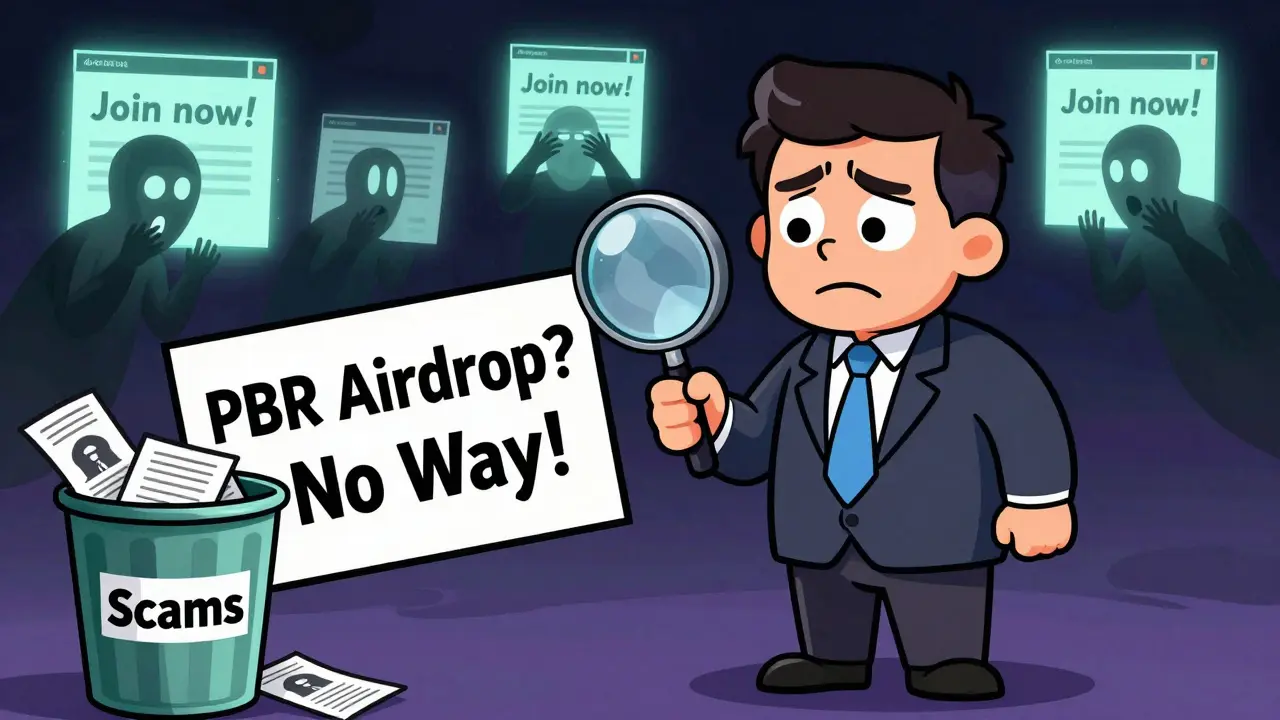
PolkaBridge (PBR) has no confirmed airdrop. Learn the real price, market data, and why rumors about free tokens are misleading. Get the facts from CoinMarketCap and official sources.
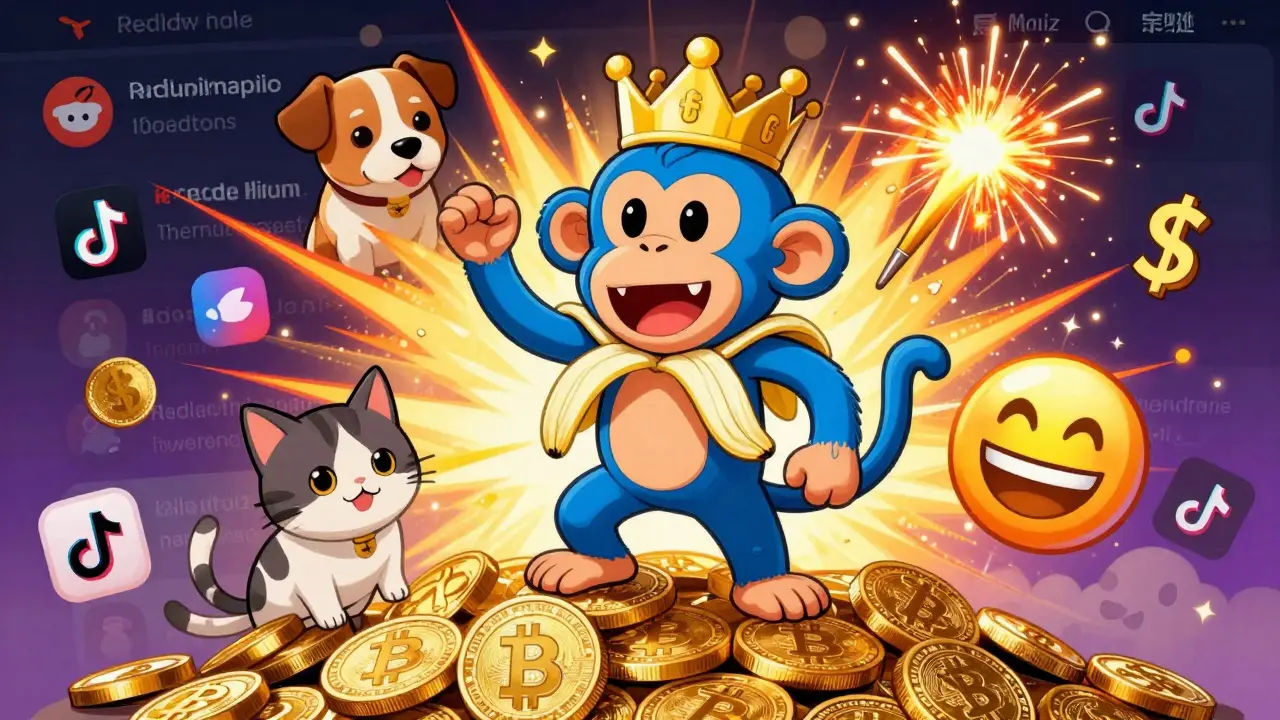
Bonkey (BONKEY) is a meme coin with no utility, built on Base Chain. It surged to $0.0055 in 2024 but crashed over 99% by early 2026. With 1.3 million holders and extreme volatility, it's a high-risk gamble, not an investment.
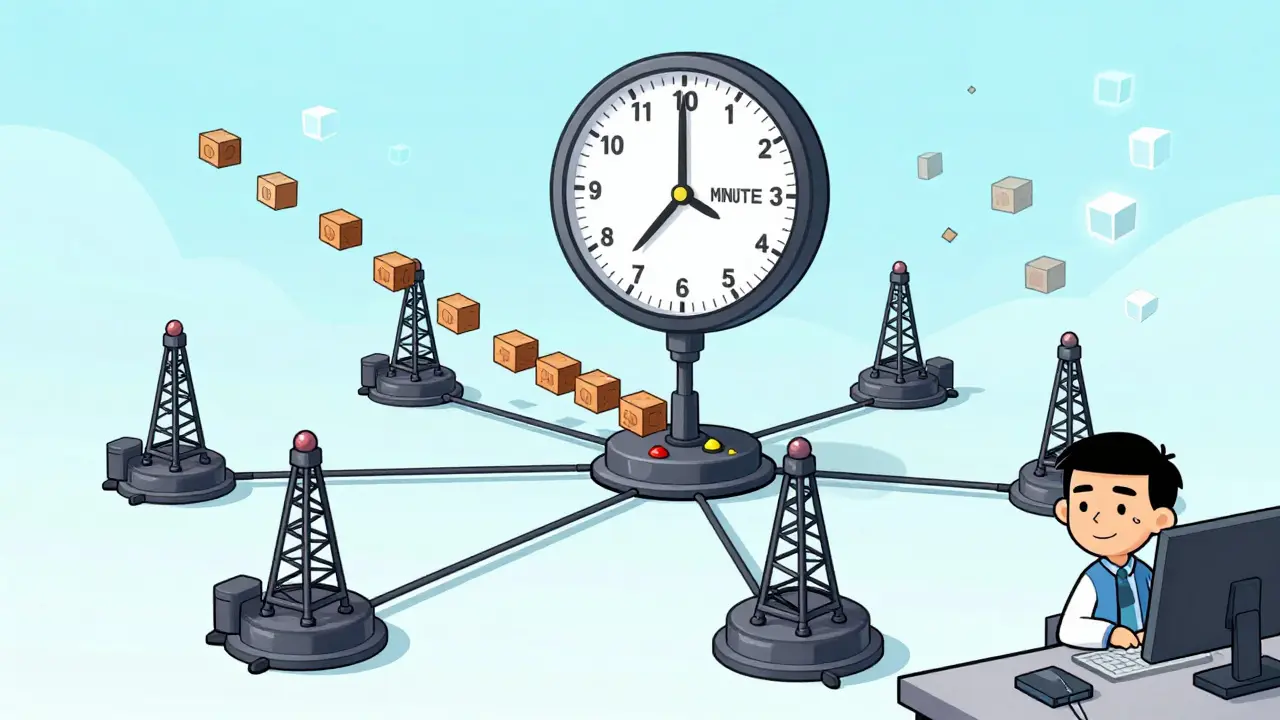
Bitcoin's 10-minute block time isn't arbitrary - it's a carefully balanced design that maximizes security, minimizes orphaned blocks, and ensures network stability. This interval has remained unchanged since 2009, making it a cornerstone of Bitcoin's reliability as digital gold.
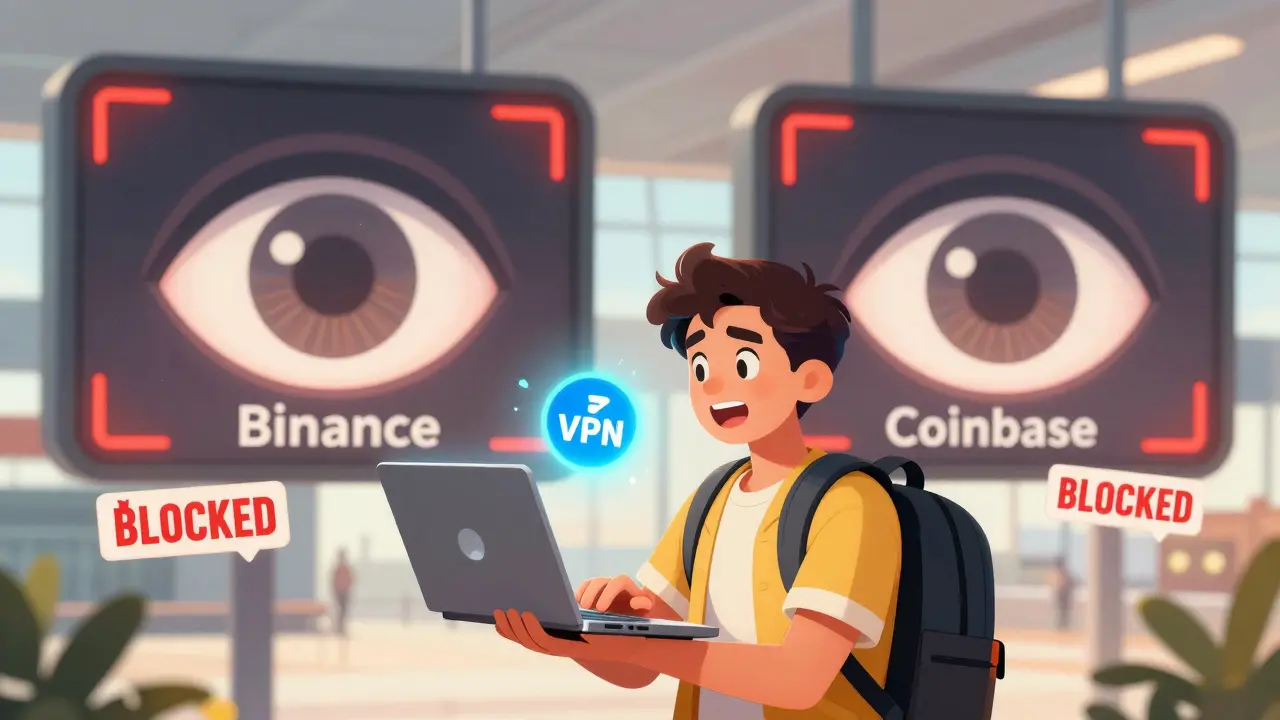
Crypto exchanges detect 70-80% of VPN connections. Learn why, how they do it, and which premium VPNs actually work without getting your account locked. Stay safe and keep trading.
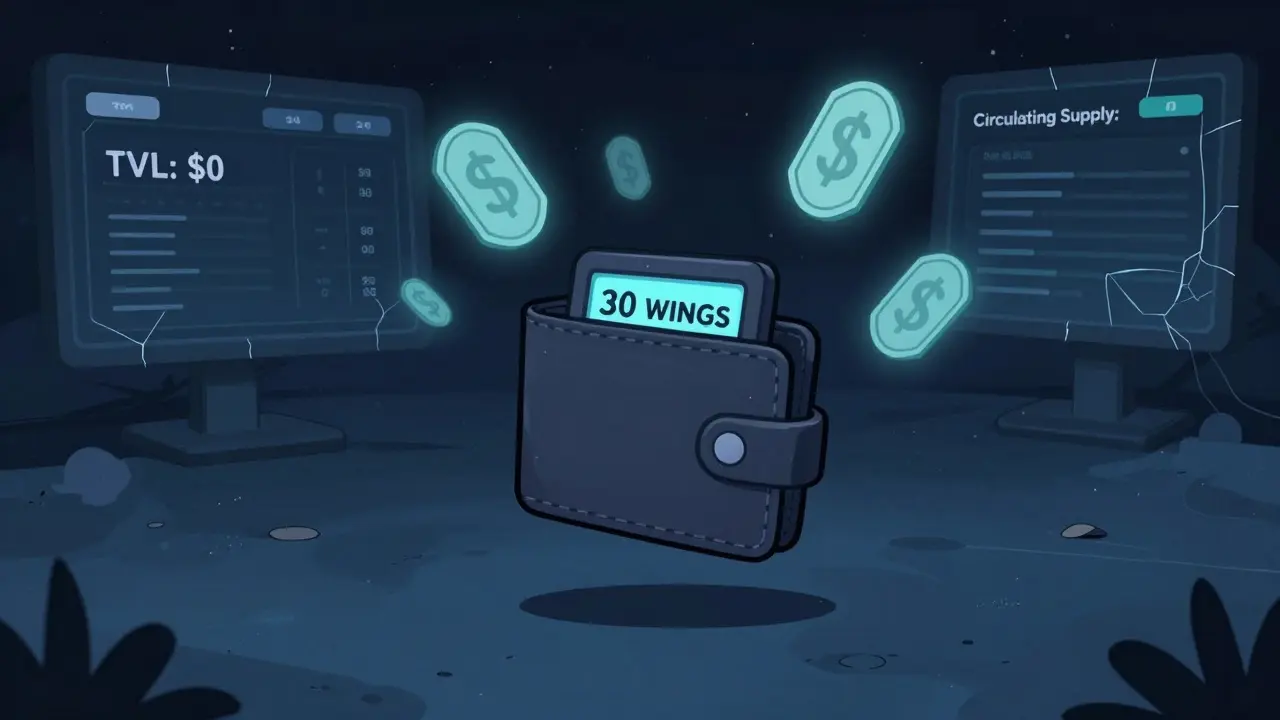
The WINGS airdrop from Jetswap Finance offered up to 30 tokens to 2,000 users, but today the token trades at $0 with no exchange listings or active farms. Learn why it’s stuck in limbo and what this means for holders.
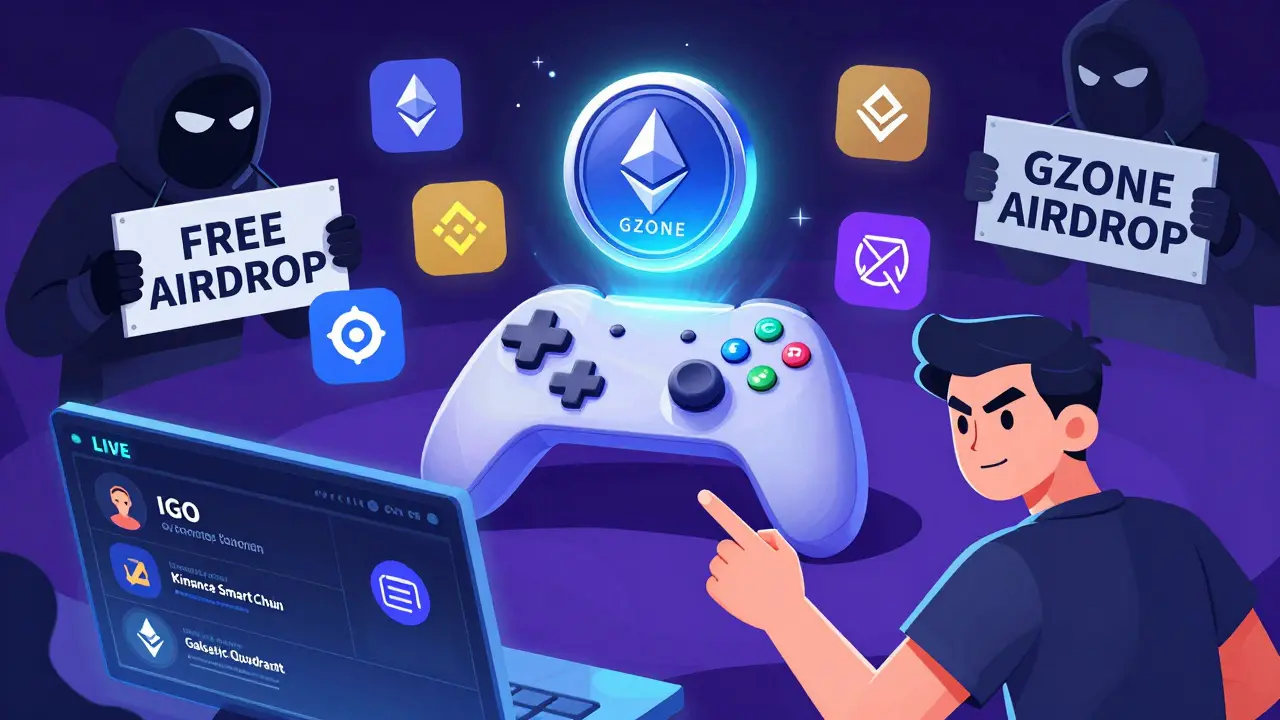
GZONE token from GameZone launched in 2021 with no airdrop ever issued. Learn how the platform works, why there's no free token giveaway, and what you should do with GZONE in 2026.
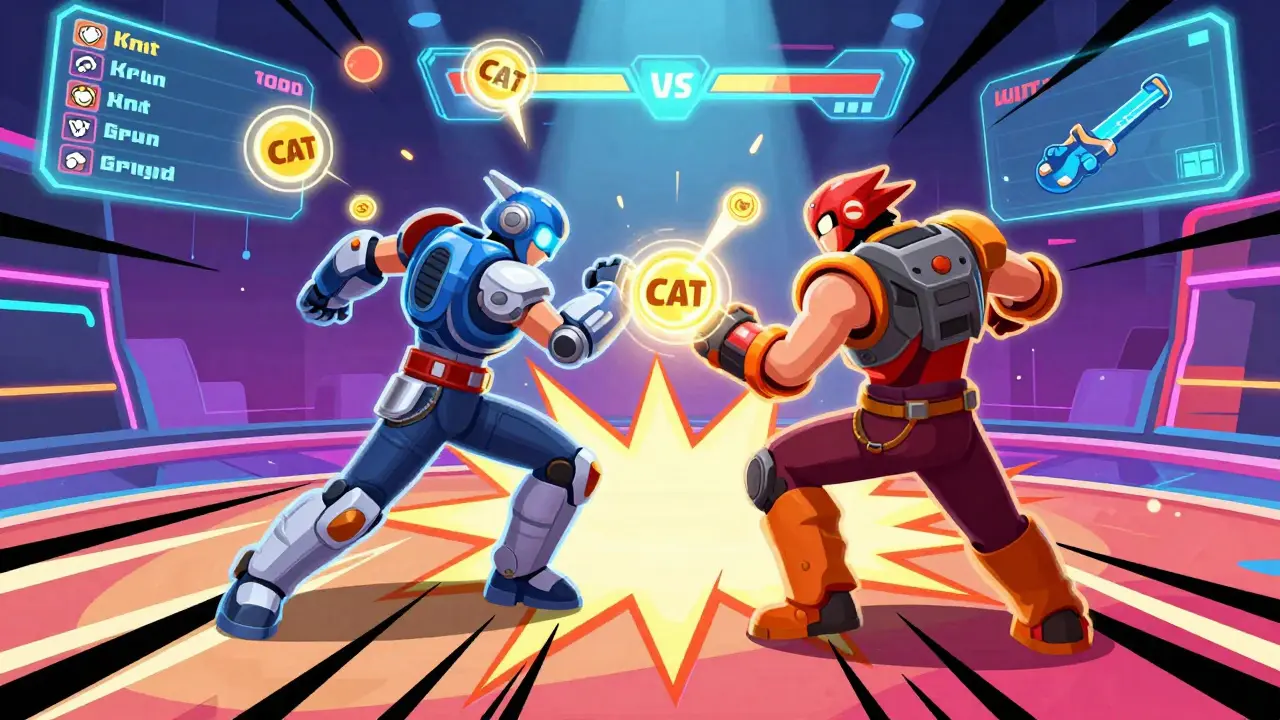
Cyber Arena (CAT) is a cryptocurrency token powering a VR/AR fighting game metaverse where players earn rewards by competing. Launched in 2023, CAT enables gameplay earnings, NFT minting, staking, and governance. As of 2026, it trades at a fraction of its peak value but remains active in niche gaming circles.
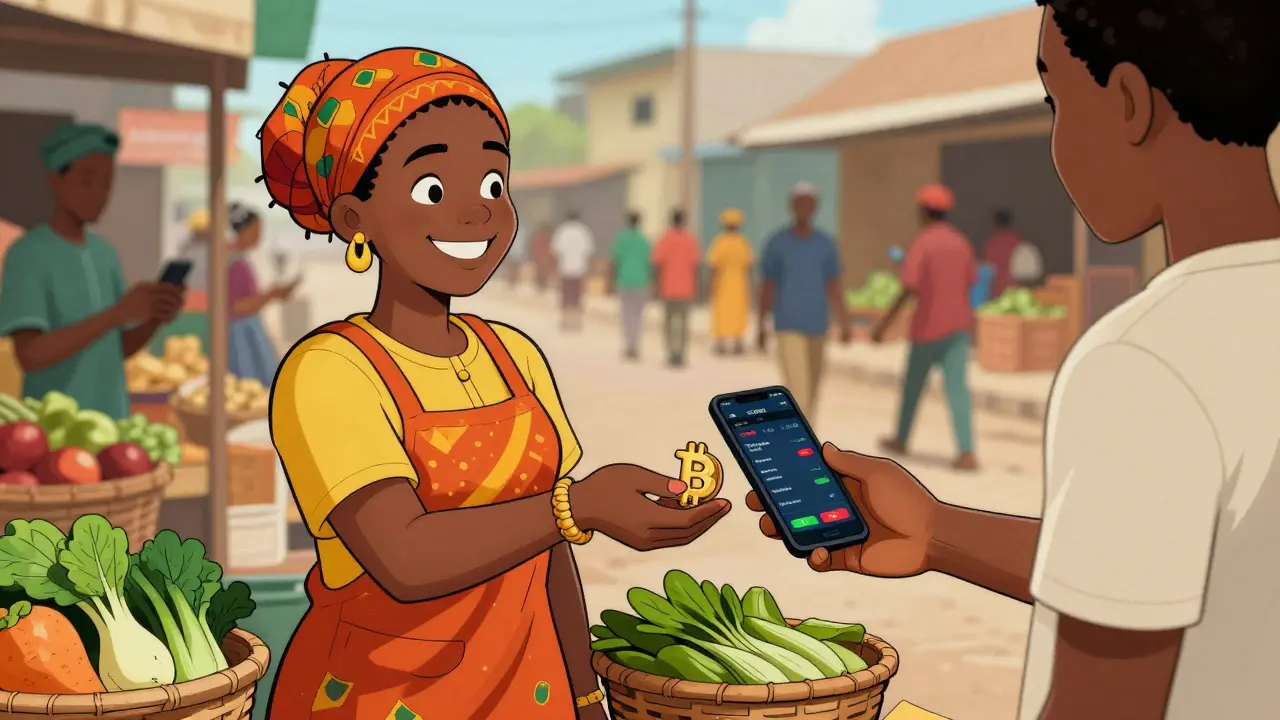
Despite government bans, millions in Nigeria and other emerging economies use crypto to protect savings, send remittances, and access global markets-proving that financial necessity drives adoption more than regulation.

COCOCOIN (COCO) is a community-driven meme token on BNB Chain with a fixed 34.2 billion supply, no dev wallets, and a viral frog symbol. It launched with a refund-and-airdrop model and now has over 170,000 holders.

BitVM isn't a crypto coin-it's a breakthrough that lets Bitcoin run smart contracts without changing its core rules. Learn how it works, what it can do, and why it matters for Bitcoin's future.

The WMX airdrop by Wombex Finance and CoinMarketCap rewarded active Wombat ecosystem users with up to 47 WMX tokens. No sign-ups, no fees - just on-chain eligibility. Here's how it worked and why it mattered.

Learn how to claim Franklin (FLY) tokens from active airdrops, where to buy them, and whether they’re worth holding. Get real details on distribution, exchange listings, and utility.