

Navigate FSC crypto regulations in Taiwan for exchanges. Learn about mandatory VASP registration, AML compliance, and the new Virtual Asset Management Bill.

Explore WTF Opossum (WTFO), a Solana meme coin launched in July 2024. Learn about its unique utility tools, tokenomics, and how to trade it on Raydium.

Discover what Veil (VEIL) crypto is, how its privacy-first technology works, and why it stands out from Monero and Zcash. Learn about its hybrid consensus, roadmap, and role as digital cash.

Discover the truth about the Pera Finance (PERA) airdrop. We break down the tokenomics, clarify the confusion with Pera Wallet, and explain how to safely interact with this BSC DeFi protocol in 2026.
MethLab crypto exchange review reveals zero liquidity, no audits, and scam warnings. Is this Mantle Network DEX safe? Read our detailed analysis before connecting your wallet.

Niza.io combines crypto trading with banking services like IBAN accounts. Our 2026 review covers fees, security risks, low trust scores, and whether this hybrid platform is safe for your funds.

Explore Act I: The AI Prophecy (ACT), a Solana-based crypto token driving decentralized AI research. Learn about its community-led governance, tokenomics, and role in the AI-crypto landscape.
Costa Rica does not recognize crypto as legal tender, but new 2025 laws require VASP registration with SUGEF. Learn about the compliance costs, banking hurdles, and how it compares to neighbors like Panama.

A practical guide to Australian crypto regulations and AUSTRAC licensing requirements for 2026. Learn about the new AML/CTF rules, Travel Rule obligations, and compliance costs for VASPs.

Ostable crypto exchange does not exist. Avoid this potential scam and learn how to identify safe, regulated platforms like Coinbase and Kraken with our comprehensive security guide.
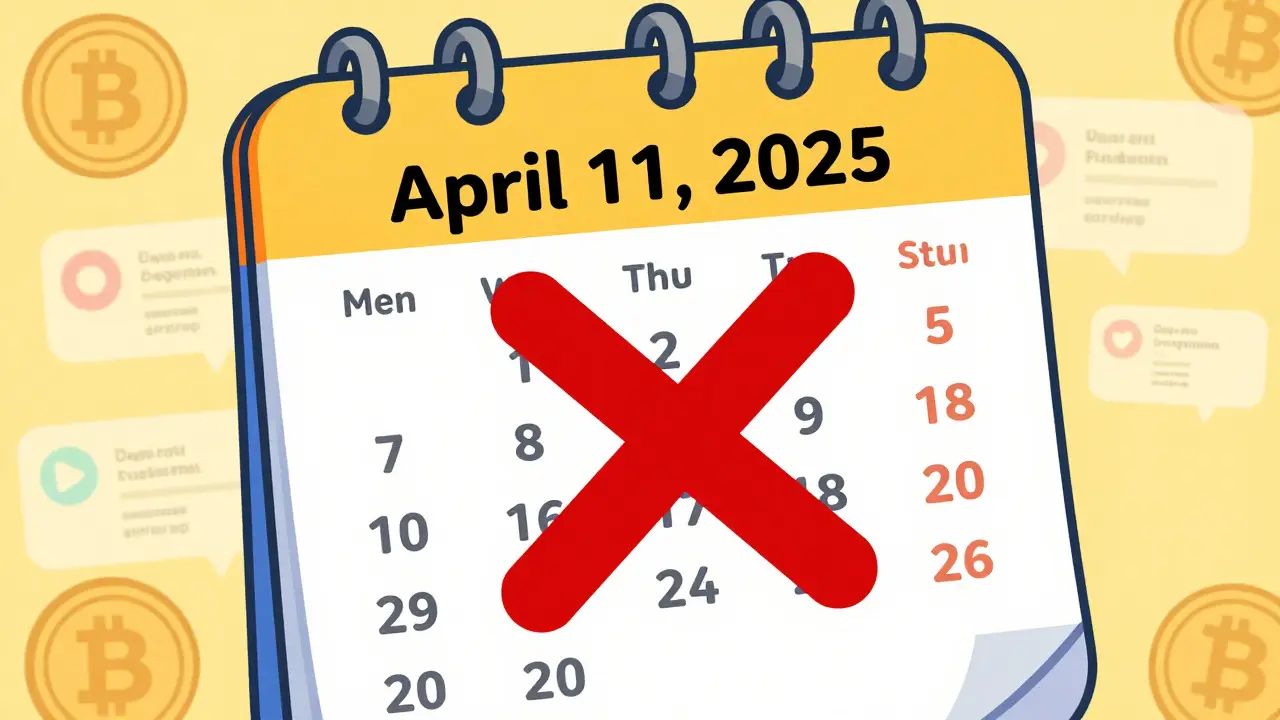
The Bagels Finance (BAGEL) airdrop ended in April 2025. We analyze the current token status, low liquidity issues, and what holders should do next.

Discover what xMoney (UTK) is, how this crypto payment platform bridges e-commerce and blockchain, and why merchants are switching from credit cards to save on fees.