

Imagine buying a laptop from a seller in Japan while you sit in your living room in Perth. You want to pay instantly, without waiting three days for a bank transfer or handing over 3% of your money to credit card fees. That is the promise behind xMoney, formerly known as Utrust. It is not just another coin to hoard; it is a payment platform designed to make cryptocurrency usable for everyday shopping and business transactions.
If you have heard the ticker symbol UTK and wondered what it actually does, you are in the right place. This guide breaks down how the platform works, why merchants care about it, and what you need to know before holding the token.
The Core Concept: Bridging Crypto and Commerce
xMoney started with a simple problem: cryptocurrencies like Bitcoin are great for storing value but terrible for buying coffee. Prices swing too wildly, and transactions can be slow. Founded in 2017 and officially launched in 2019, xMoney aims to fix this by acting as a middleman between traditional e-commerce and the decentralized world.
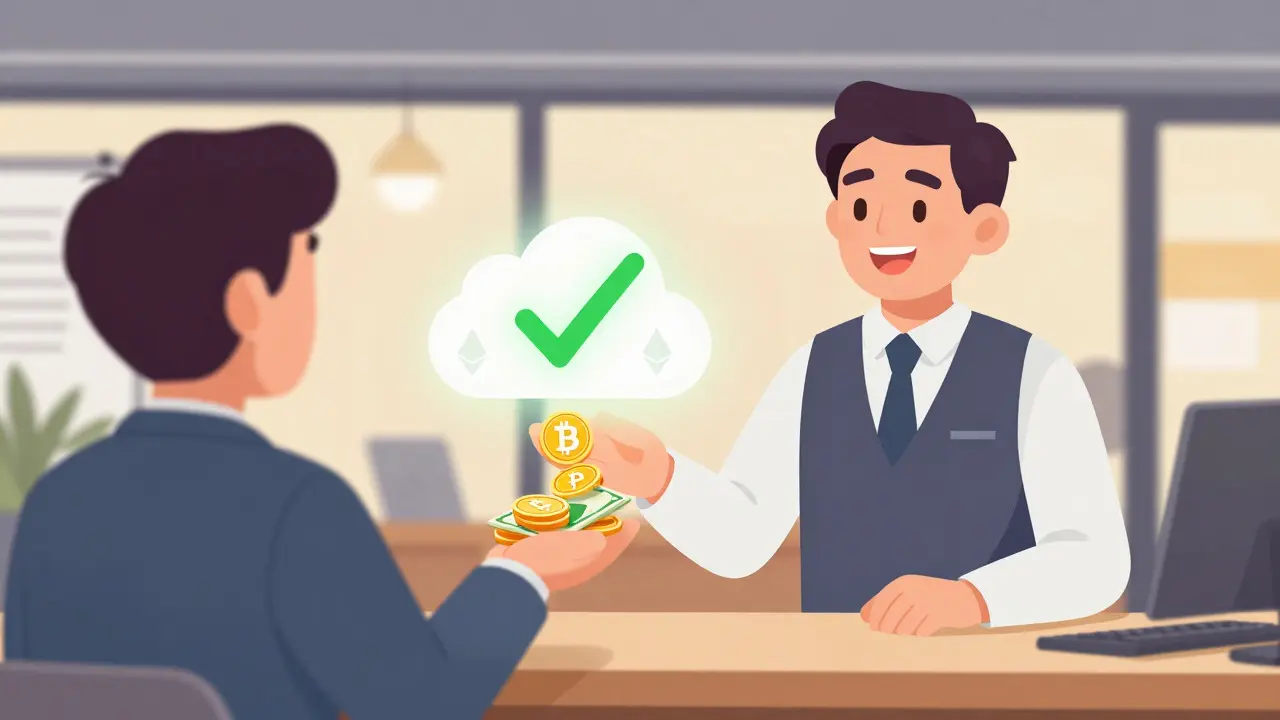
Think of it as a digital wallet that speaks two languages. On one side, it talks to merchants who accept dollars or euros. On the other, it talks to buyers who hold Bitcoin, Ethereum, or stablecoins. The platform converts these assets instantly so the merchant gets paid in their preferred currency, while the buyer pays with whatever crypto they have. This removes the headache of price volatility for the store owner.
The native fuel for this engine is the UTK token. Originally built on the Ethereum blockchain as an ERC-20 token, UTK later migrated to the MultiversX network (as an ESDT token) to improve speed and reduce transaction costs. This move was crucial because high gas fees on Ethereum could eat up the savings users were trying to achieve.
How Does xMoney Actually Work?
When you use xMoney, you aren't just sending coins from one address to another. You are entering a secure, verified transaction loop. Here is the step-by-step process:
- Verification: To prevent fraud, users undergo a lightweight identity verification. This isn't as heavy as opening a bank account, but it ensures that every participant is a real person.
- Payment Initiation: At checkout, you select xMoney as your payment method. The platform locks the price of the crypto asset for about 15 minutes. This protects you if the market crashes while you are confirming the transaction.
- Conversion & Settlement: If you pay in Bitcoin, xMoney’s system instantly converts it to fiat (like USD or EUR) if the merchant prefers cash. The funds settle in seconds, far faster than the 3-5 days typical for international wire transfers.
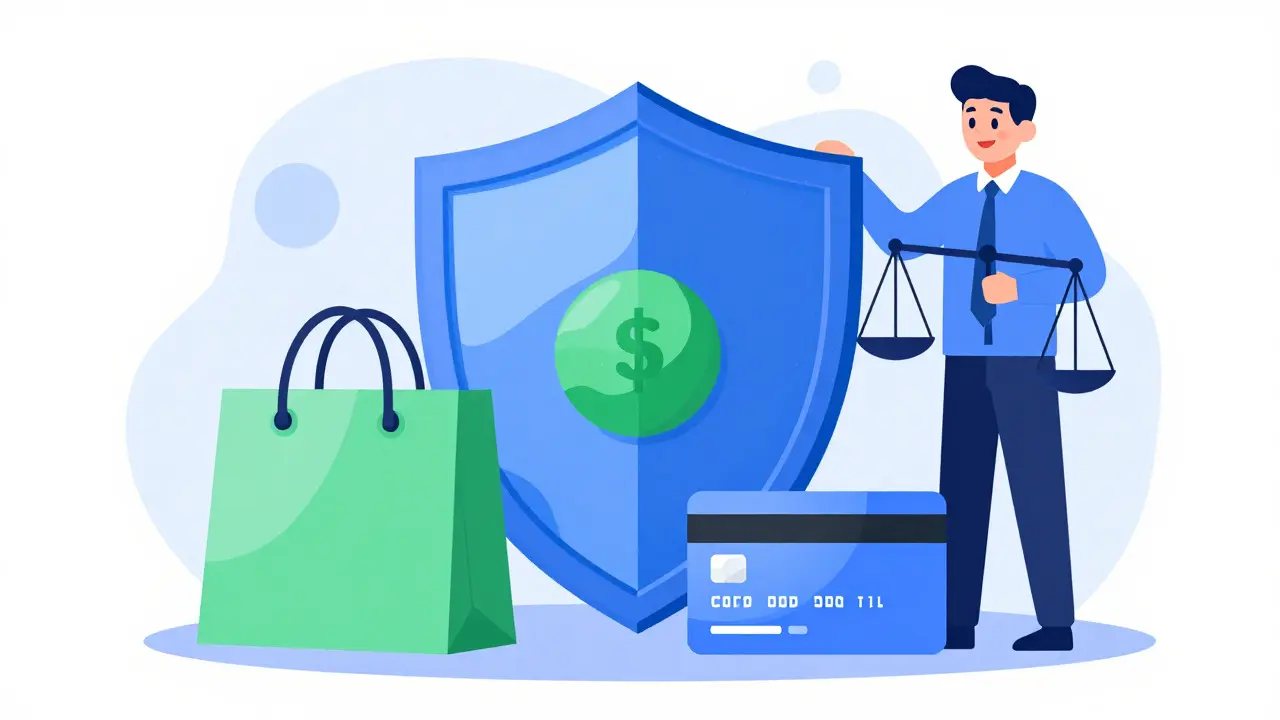
- Dispute Resolution: This is where xMoney differs from raw blockchain transactions. If a seller fails to deliver goods, you can open a dispute. The platform holds the funds in escrow until the issue is resolved, offering buyer protection similar to PayPal.
This structure solves the "double-spending" risk and the lack of recourse that often scares new users away from direct crypto payments.
Why Merchants Choose xMoney Over Credit Cards
For online stores, especially those dealing with international customers, traditional payment processors are expensive. Visa and Mastercard charge merchants roughly 2.9% plus a fixed fee per transaction. For a $10 purchase, that might seem small, but for a business processing millions, it adds up fast.
xMoney charges significantly lower fees, often under 1%. In cross-border scenarios, the savings are even more dramatic. Traditional banks can charge 5-10% for international wires due to exchange rate markups and intermediary fees. xMoney cuts through this by using blockchain rails, settling transactions in minutes rather than days.
| Feature | Credit Card Processor | Traditional Bank Wire | xMoney (UTK) |
|---|---|---|---|
| Average Fee | 2.9% + $0.30 | $25 - $50 flat + FX markup | <1% |
| Settlement Time | 2-3 Business Days | 3-5 Business Days | Instant to Minutes |
| Buyer Protection | Yes (Chargebacks) | No | Yes (Escrow/Disputes) |
| Global Access | Limited by banking borders | Complex paperwork | Any internet connection |
Beyond cost, xMoney offers access to a global customer base. Many crypto holders live in countries with unstable currencies or limited banking infrastructure. By accepting crypto via xMoney, merchants tap into this underserved market without needing local bank accounts in dozens of countries.
Understanding the UTK Token Utility
The UTK token is not just a speculative asset; it has functional uses within the ecosystem. Holding UTK provides several benefits:
- Fee Discounts: Users who hold UTK can often pay transaction fees in the token, sometimes at a discounted rate compared to paying in fiat.
- Governance: Token holders can vote on platform upgrades and policy changes, giving them a say in how the company evolves.
- Incentives: The platform uses a "flywheel" model where businesses and users are rewarded for activity. For example, merchants might earn UTK for processing volume, which they can then reinvest or sell.
As of late 2025, the total supply of UTK was capped at 1 billion tokens, with over 704 million in circulation. However, keep an eye on recent developments: xMoney announced a transition to a new token called XMN to comply with EU MiCA regulations. Existing UTK holders were offered migration paths, often involving locking periods with interest accruals. This shift highlights the regulatory pressure facing all crypto payment platforms today.
Security and Trust: Is Your Money Safe?
Security is the biggest concern for anyone moving money online. xMoney employs public-private key encryption to secure transactions. Every transaction is recorded on an immutable blockchain ledger, meaning once it is confirmed, it cannot be altered or deleted.
However, the platform also relies on centralized elements for user convenience. The dispute resolution system, for instance, involves human moderators. While this contradicts pure "decentralized finance" ideals, it is necessary for consumer protection. Critics argue this centralization creates a single point of failure, but proponents say it is essential for mainstream adoption. Without a way to get a refund if a seller scams you, most regular people would never use crypto for shopping.
User reviews on platforms like Trustpilot reflect this balance. Positive feedback often cites the low fees and successful refunds. Negative feedback usually points to customer support response times, which can average 48 hours during peak periods. It is not instant, but it is there.
Competitors and Market Position
xMoney does not operate in a vacuum. It competes with giants like BitPay, Coinbase Commerce, and MoonPay. Here is how it stacks up:
- BitPay: A veteran in the space, BitPay focuses heavily on converting crypto to fiat for merchants. It lacks the robust buyer protection escrow system that xMoney emphasizes.
- Coinbase Commerce: Offers easy integration for merchants but passes the volatility risk entirely to the seller unless they use specific hedging tools. It has a larger merchant base but fewer consumer-focused features.
- MoonPay: Primarily an on-ramp for buying crypto, not a full-stack payment processor with dispute resolution.
xMoney’s unique selling point is its dual focus: protecting the buyer like a consumer rights agency while keeping the costs low enough to beat credit cards. As of 2025, it held an estimated 2.1% market share in crypto payment processing, trailing leaders but growing steadily in niche markets like digital services and luxury goods.
Who Should Use xMoney?
You should consider using xMoney if:
- You are an international freelancer or business owner. Receiving payments from clients abroad becomes cheaper and faster.
- You are a tech-savvy shopper. You want to spend your crypto holdings without worrying about tax implications of selling large amounts on an exchange first.
- You run an e-commerce store. You want to attract crypto-native customers and reduce your payment processing overhead.
It might not be for you if:
- You prefer pure decentralization. If you hate any form of identity verification or centralized dispute resolution, stick to peer-to-peer Bitcoin transactions.
- You live in a highly restrictive jurisdiction. Some countries ban crypto payments entirely, limiting xMoney’s functionality.
Future Outlook and Regulatory Challenges
The future of xMoney depends heavily on regulation. With frameworks like the EU’s MiCA coming into force, clarity is improving for European users. The transition to the XMN token is a direct response to these rules, aiming to ensure long-term compliance. Analysts project that if xMoney successfully expands its integrations with major e-commerce platforms like Shopify and WooCommerce, it could capture a larger slice of the market by 2027.
However, risks remain. Regulatory fragmentation across Asia-Pacific and North America could limit growth. Additionally, competition from established fintech players adopting blockchain technology under the hood poses a threat. xMoney must continue to innovate in user experience and security to stay relevant.
Is xMoney the same as Utrust?
Yes, xMoney is the rebranded name of the platform formerly known as Utrust. The underlying technology, team, and mission remain the same, but the brand updated to reflect its broader focus on general digital payments rather than just trust-based transactions.
Can I buy things directly with Bitcoin on xMoney?
Yes. xMoney supports multiple cryptocurrencies including Bitcoin, Ethereum, BNB, and various stablecoins. When you pay with Bitcoin, the platform typically converts it to fiat for the merchant instantly, shielding both parties from price swings during the transaction window.
What happens to my UTK tokens with the new XMN token?
xMoney announced a migration from UTK to XMN to comply with EU regulations. UTK holders are encouraged to migrate their tokens to XMN. The process often involves a locking period where users may earn interest (e.g., ~10% APR), after which their UTK is converted to XMN at a specified ratio. Check the official xMoney blog for the latest migration deadlines and rates.
Is xMoney safe for online shopping?
xMoney incorporates security measures like public-private key encryption and blockchain immutability. Crucially, it offers buyer protection through an escrow and dispute resolution system. If a seller does not deliver, you can file a claim to potentially recover your funds, which is a significant advantage over direct peer-to-peer crypto payments.
How do fees compare to PayPal or Stripe?
xMoney generally charges lower fees than traditional processors. While PayPal and Stripe charge around 2.9% plus a fixed fee, xMoney’s fees are often under 1%, especially for cross-border transactions where traditional banks charge 5-10%. This makes it highly attractive for international commerce.
Which blockchains does xMoney support?
Originally an ERC-20 token on Ethereum, the native UTK token migrated to the MultiversX blockchain (as an ESDT token) for better scalability and lower costs. However, the payment platform itself accepts payments in various cryptocurrencies including Bitcoin, Ethereum, and Binance Coin, regardless of the native token's chain.