
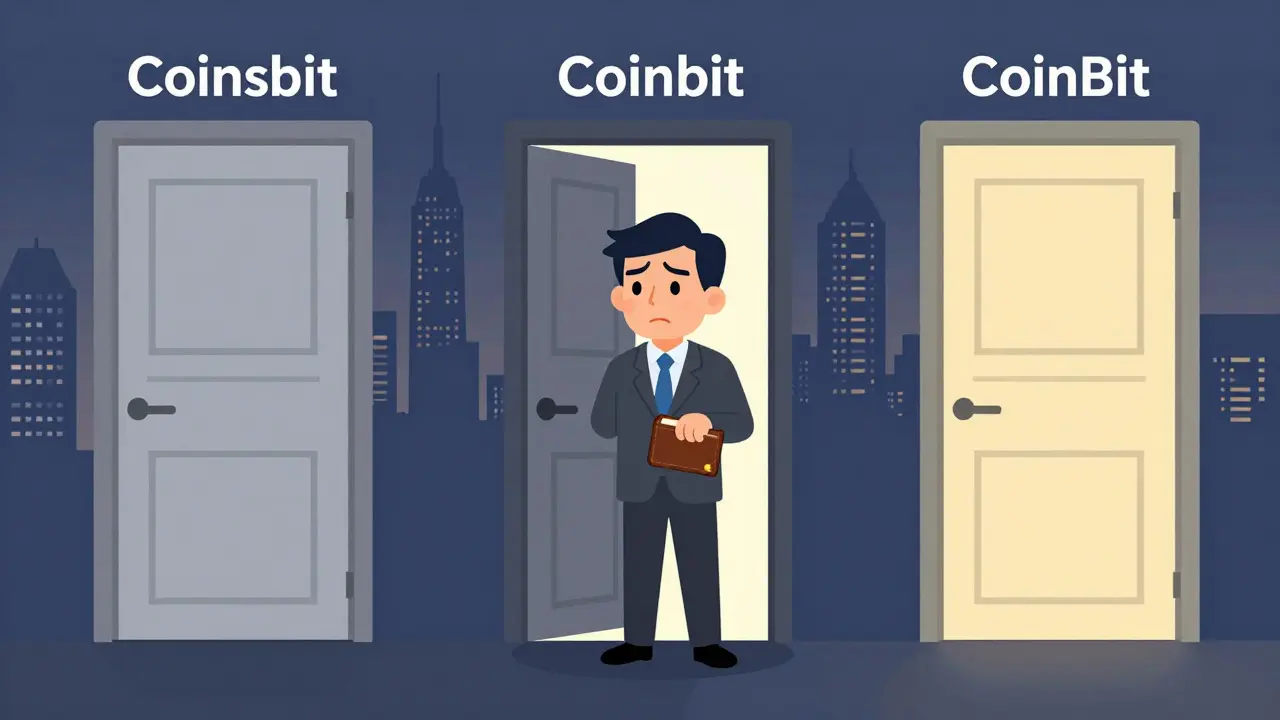
You want to trade cryptocurrency in Asia. You see a platform called Coinbit. It sounds promising, right? But before you deposit your hard-earned money, you need to know the truth about this specific exchange. The short answer is that while Coinbit is a legitimate South Korean entity, it suffers from severe liquidity issues that make it risky for active traders. If you are looking for a place to buy Bitcoin and hold it, it might work. If you want to trade actively, you will likely struggle.
There is also a massive amount of confusion in the market. Many users mix up Coinbit with Coinsbit (a different international platform) or CoinBit (a mobile tracking app). This review cuts through the noise. We will look at who runs Coinbit, why its trading volume collapsed, and whether it is still worth using in 2026.
Who Actually Runs Coinbit?
First, let’s clear up the identity crisis. The exchange we are reviewing is operated by Axia Inc., a company based in Seoul, South Korea. The CEO is HyunBaek Park. The platform launched in July 2018. It supports multiple languages, including Korean, Japanese, Chinese, and English. This makes it accessible to a broad Asian audience.
However, you must be careful not to confuse it with two other entities:
- Coinsbit: An international platform offering OTC desks, staking, and IEOs. It has "Pro" and standard versions. This is NOT the same as Coinbit.
- CoinBit App: A mobile tracking application developed by Binary Bricks. It tracks over 4,000 cryptocurrencies from 150+ exchanges. It is open-source and keeps data on-device. Again, this is separate from the exchange.
When people talk about "Coinbit" in the context of an exchange, they mean the Axia Inc. platform. Understanding this distinction is crucial because the features and risks are completely different.
The Liquidity Problem: Why Volume Matters
Liquidity is the lifeblood of any crypto exchange. It means there are enough buyers and sellers so you can execute trades quickly without moving the price too much. If liquidity is low, you face high slippage-meaning you get a worse price than expected when you buy or sell.
Coinbit has struggled with this since day one. Let’s look at the numbers, which tell a worrying story:
- April 2019: Daily trading volume was around USD 1.8 million. Modest, but functional.
- March 2020: Volume surged dramatically to USD 313 million. This was a 17,300% increase. Sounds great, right?
- December 2021: Volume plummeted to just USD 85.89 per day. Yes, less than $100.
A drop from hundreds of millions to double digits is not a minor dip. It indicates a near-total exodus of users. Experts from Cryptowisser note that despite operating for years, Coinbit failed to maintain satisfactory liquidity levels. This suggests fundamental issues with user retention or competitive positioning. In a healthy exchange, volume fluctuates, but it doesn’t vanish.
| Date | Daily Volume (USD) | Status |
|---|---|---|
| April 2, 2019 | $1,800,000 | Low but Active |
| March 21, 2020 | $313,000,000 | Spike (Potential Wash Trading?) |
| December 2, 2021 | $85.89 | Near Zero |
This dramatic decline raises red flags. Industry observers suspect potential wash trading during the spike, followed by genuine market abandonment. For a trader in 2026, this history suggests that the order books may still be thin. If you try to sell a large amount of assets, you might find no buyers waiting.
User Experience and Community Presence
If an exchange is popular, you will hear about it. Users complain, praise, and discuss it on Reddit, Trustpilot, and Twitter. Coinbit is largely silent in these spaces. The lack of substantial user reviews is itself a warning sign. It suggests either a very small user base or users who have moved on to better platforms.
Compare this to major exchanges like Binance or Kraken. They generate thousands of reviews daily. Their communities are active. Coinbit’s silence implies it has failed to build a loyal user base. Without community engagement, trust erodes. You want to trade on a platform where others are also trading, ensuring that your exit strategy is viable.

Security and Regulatory Context
Coinbit positions itself on four pillars: security, convenience, speed, and excitement. Security is critical. As a South Korean exchange, it operates under the country’s regulatory framework. South Korea has strict rules for crypto exchanges, including real-name verification and travel rule compliance. This provides some baseline protection compared to unregulated offshore exchanges.
However, regulation does not guarantee solvency or liquidity. Even if your funds are safe from hackers, they might be stuck in an illiquid market. You could own valuable assets but struggle to convert them to fiat currency quickly. The platform’s infrastructure appears capable of basic functions, but the trading volume data suggests users do not find sufficient value to stay.
How Does Coinbit Compare to Competitors?
To understand Coinbit’s position, we must compare it to established players. Here is how it stacks up against giants like Binance and regional leaders like Upbit (another Korean exchange).
| Feature | Coinbit | Binance | Upbit |
|---|---|---|---|
| Headquarters | Seoul, South Korea | Global (Originally China) | Seoul, South Korea |
| Liquidity | Very Low | Extremely High | High |
| User Base | Small/Declining | Massive Global | Large Regional |
| Trading Pairs | Limited | Extensive | Extensive |
| Best For | Niche Holders | Active Traders | Korean Retail Investors |
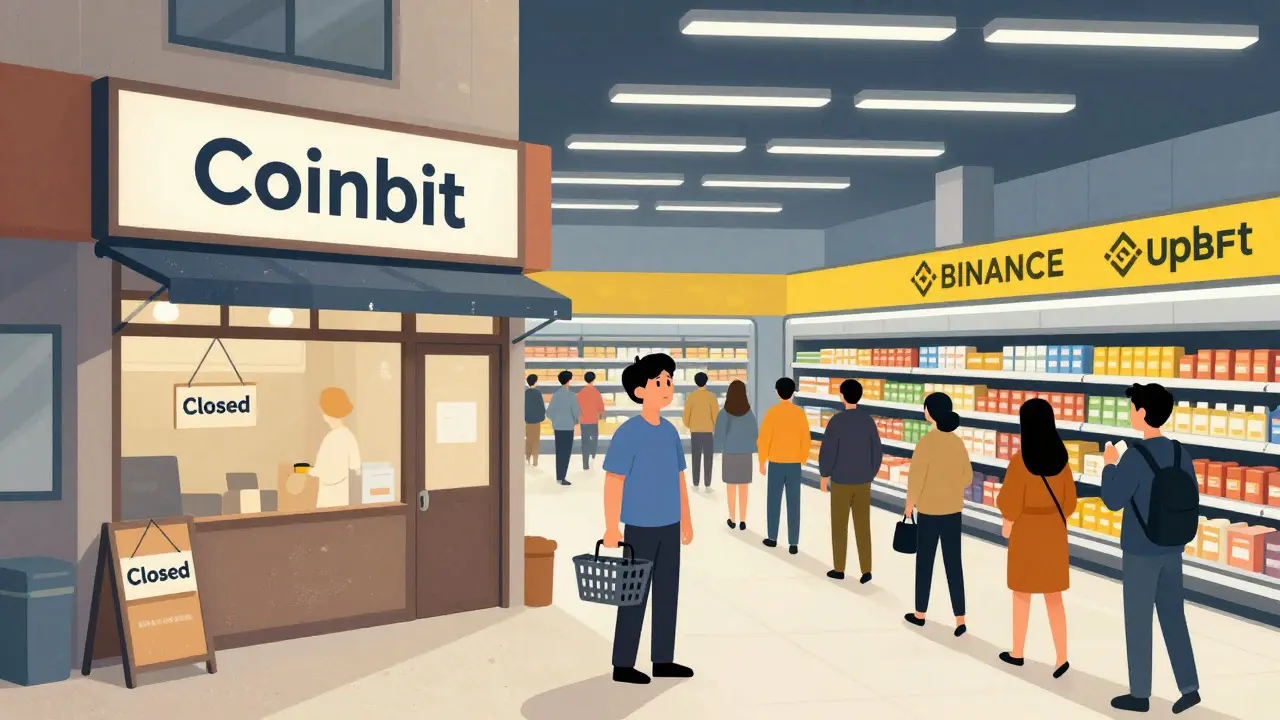
Binance and Kraken maintain consistent high volumes and robust user bases. Upbit dominates the Korean retail market. Coinbit faces a severe disadvantage. Its inability to capture meaningful market share despite operating in a crypto-friendly jurisdiction is telling. The broader market growth has not benefited Coinbit, indicating fundamental competitive disadvantages.
Should You Use Coinbit in 2026?
So, is Coinbit dead? Not necessarily. It still operates. But should you use it? For most users, the answer is no. Here is why:
- Slippage Risk: With low volume, buying or selling even moderate amounts can move the price against you significantly.
- Limited Pairs: You may not find the specific altcoins you want to trade.
- Exit Difficulty: If you need to cash out quickly, the lack of buyers could delay your transaction or force you to accept a poor rate.
Who might still use it? Perhaps someone living in a region with limited access to global exchanges, or someone holding a specific token only listed on Coinbit. But for general trading, the risks outweigh the benefits. Established exchanges offer better tools, deeper liquidity, and stronger security records.
The future prospects for Coinbit appear challenging. Without significant strategic changes, user acquisition initiatives, or technological improvements, the platform faces questions about long-term sustainability. The industry is trending toward regulatory compliance and institutional adoption. These trends favor established exchanges with proven track records. Coinbit’s recovery would require substantial investment or strategic partnerships, which have not materialized yet.
Alternatives to Consider
If Coinbit feels risky, what are your options? Depending on your location and needs, consider these alternatives:
- Binance: Best for global users wanting maximum variety and liquidity.
- Kraken: Excellent for security-conscious users in Europe and North America.
- Upbit: The top choice for Korean residents seeking deep local liquidity.
- Coinsbit: If you were confused by the name, this international platform offers more features like staking and OTC trading.
Each of these platforms has thousands of active users, ensuring that you can enter and exit positions smoothly. Do not let the name similarity trick you into choosing a weaker platform.
Is Coinbit the same as Coinsbit?
No, they are completely different. Coinbit is a South Korean exchange run by Axia Inc. Coinsbit is an international platform with different features like OTC desks and staking pools. Confusing them is common but costly.
Why did Coinbit's trading volume drop so much?
The volume dropped from $313 million in 2020 to less than $100 in 2021. This suggests users left due to poor liquidity, high slippage, or better alternatives. It may also indicate past wash trading practices that inflated early numbers.
Is Coinbit safe for beginners?
While it is regulated in South Korea, the low liquidity makes it unsafe for active trading. Beginners should stick to larger exchanges with better support and higher volume to avoid losing money on bad trade execution.
What is the CoinBit app?
The CoinBit app is a mobile tracker developed by Binary Bricks. It is not an exchange. It helps you monitor portfolios across many exchanges. It is open-source and focuses on privacy.
Can I withdraw my money from Coinbit easily?
Withdrawals depend on the asset. Fiat withdrawals follow standard banking procedures. However, selling crypto for fiat might be difficult if there are no buyers in the order book, leading to delays or unfavorable rates.


Abigail Sparks
Listen up because I am only going to say this once. If you are thinking about putting any real money into Coinbit right now, you are literally throwing it into a black hole. The liquidity numbers in that article are not just bad, they are catastrophic. We are talking about less than one hundred dollars in daily volume at its lowest point. That means if you try to sell your Bitcoin, you might be the only person on the exchange who wants to trade. You will get wrecked by slippage so hard it will hurt. Stop looking for hidden gems and stick to the big players like Binance or Kraken where actual people are trading. Your portfolio deserves better than a ghost town.