

You’ve probably seen an ad or received a message promising huge returns on Cryptobuyer Pro, a platform that claims to be the next big thing in cryptocurrency trading. But before you deposit a single dollar, stop and read this. Based on extensive analysis of regulatory databases and user reports from 2025 and 2026, Cryptobuyer Pro is not a legitimate exchange. It fits the exact pattern of sophisticated crypto scams designed to steal your funds.
Legitimate platforms like Coinbase or Crypto.com are transparent about their fees, security, and corporate identity. Cryptobuyer Pro offers none of this. Instead, it relies on high-pressure tactics, fake promises, and hidden risks. This review breaks down exactly why you should avoid this platform, how these scams operate, and where you can safely trade crypto in 2026.
The Red Flags: Why Cryptobuyer Pro Is Not Safe
When evaluating any financial platform, transparency is key. A legitimate exchange will have a clear physical address, a registered corporate entity, and verifiable licensing. If you search for "Cryptobuyer Pro company registration" or "Cryptobuyer Pro license," you will find nothing. That silence is deafening.
The most damning evidence comes from Cryptolegal.uk, one of the world’s largest databases of fraudulent companies. As of late 2025, they explicitly listed domains associated with the Cryptobuyer Pro brand among reported scam operations. These domains often use generic subdomains like h5.trade56535.xyz or h5.internationalue.com. This naming convention is a hallmark of temporary scam sites. Scammers create these sites, lure victims, and then shut them down when things get too hot, only to pop up under a new name.
Here are the specific red flags that identify Cryptobuyer Pro as a fraud:
- No Regulatory Compliance: Unlike Kraken or Bybit, which hold licenses in multiple jurisdictions, Cryptobuyer Pro has no verifiable regulatory status.
- Anonymous Ownership: Legitimate exchanges disclose their leadership teams. Cryptobuyer Pro hides behind generic stock photos or anonymous social media accounts.
- Unrealistic Promises: Ads for this platform often promise guaranteed daily profits or exclusive access to pre-market coins. In reality, crypto markets are volatile; no one can guarantee returns.
- Pressure Tactics: You may receive urgent messages claiming you must deposit funds immediately to secure a "bonus." This urgency is designed to bypass your critical thinking.
How the Cryptobuyer Pro Scam Works
Understanding the mechanics of the scam helps you recognize it early. The Federal Trade Commission (FTC) reported $5.6 billion in cryptocurrency scam losses in 2023 alone. Investment scams accounted for 91% of those reports. Here is the typical lifecycle of a platform like Cryptobuyer Pro:
- The Hook: You see an ad on social media or receive a DM from a "financial advisor." They claim to have insider knowledge or a proprietary algorithm that beats the market.
- The Setup: You are directed to a website that looks professional. It mimics the design of real exchanges, complete with fake charts and live price tickers. You might even be able to make small test withdrawals to build trust.
- The Deposit: Encouraged by initial "profits" shown on your dashboard, you deposit a larger sum via bank transfer, wire, or cryptocurrency. Remember: once you send crypto, it is nearly impossible to reverse.
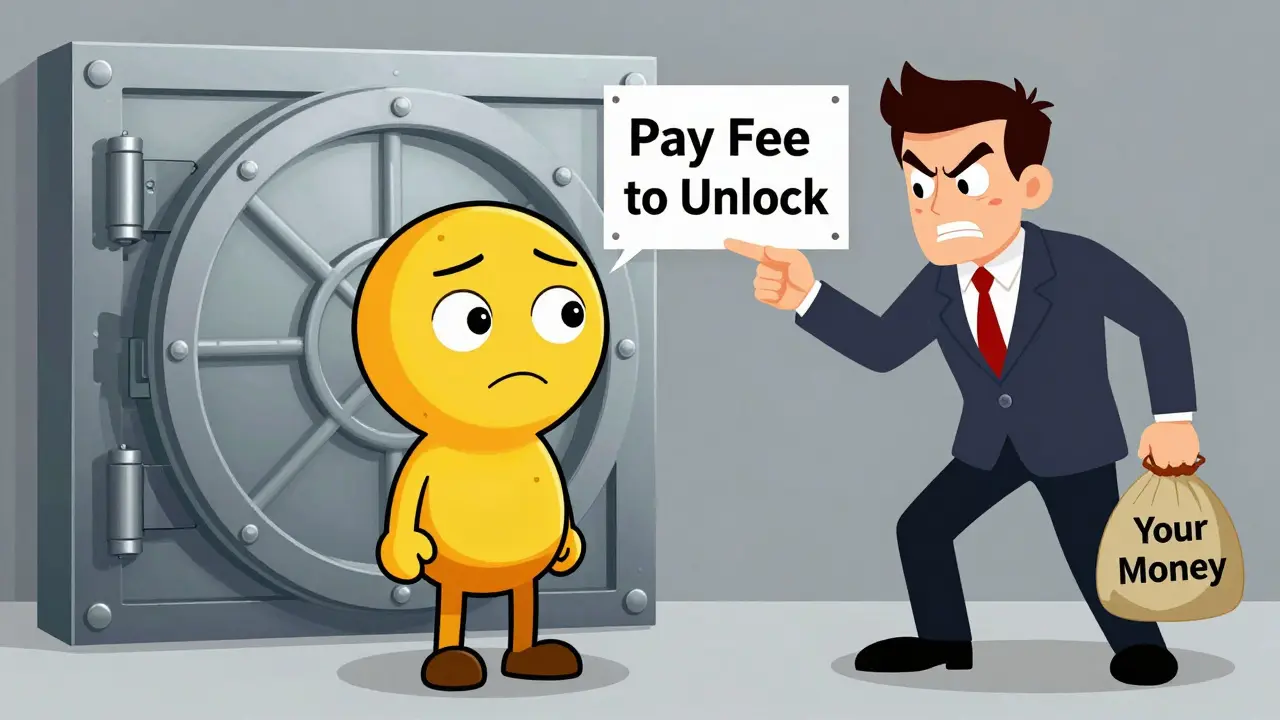
- The Trap: When you try to withdraw your large balance, problems arise. You are told you need to pay a "tax fee," a "verification fee," or a "security deposit" to release your funds. This is known as advance-fee fraud.
- The Disappearance: If you pay the fees, the excuses continue until you run out of money. Then, the site goes offline, and the support channels vanish.
The Massachusetts Attorney General’s Office warns that scammers often pose as "fraud recovery investigators" after the initial theft, charging more upfront fees to "recover" your lost money. Do not fall for this secondary scam. Report the loss to authorities instead.
What Makes a Crypto Exchange Legitimate?
To understand why Cryptobuyer Pro fails, let’s look at what defines a trustworthy exchange in 2026. Legitimate platforms prioritize security, compliance, and transparency. They undergo regular audits and maintain insurance funds to protect users.
| Feature | Legitimate Exchange (e.g., Coinbase, Kraken) | Scam Platform (e.g., Cryptobuyer Pro) |
|---|---|---|
| Regulatory Status | Licensed in major jurisdictions (US, EU, AU) | No verifiable licenses or anonymous ownership |
| Fee Structure | Transparent, published fee schedules (e.g., 0.25% - 0.50%) | Hidden fees, unexpected withdrawal charges |
| Security Measures | 2FA, cold storage, proof-of-reserves audits | No independent audits, weak or non-existent 2FA |
| Customer Support | Verified email, phone, and live chat support | Only unverified Telegram/WhatsApp contacts |
| Corporate Identity | Publicly traded or registered private company | Shell companies or no legal entity found |
For example, Crypto.com publishes its fee structure clearly: maker fees range from 0.25% to 0.08%, and taker fees from 0.50% to 0.18%. While some users complain about spreads, the costs are known upfront. In contrast, Cryptobuyer Pro will never show you a fee schedule because the fees are arbitrary tools for extortion.
Safe Alternatives to Cryptobuyer Pro in 2026
If you are looking to start trading crypto, there are many reputable options available. These platforms offer security, liquidity, and a wide range of assets without the risk of theft.
1. Coinbase
Coinbase is one of the most trusted names in the industry. Listed on NASDAQ (ticker: COIN), it is subject to strict US securities regulations. It is ideal for beginners due to its user-friendly interface and strong customer support. While fees can be higher than some competitors, the peace of mind is worth it for new investors.
2. Crypto.com
Crypto.com offers a sleek app experience and supports over 250 cryptocurrencies. It holds a CoinGecko Trust Score of 9/10 and is regulated by the CFTC for certain derivatives products. It is great for users who want to earn interest on idle crypto or use a Visa card linked to their crypto holdings.
3. Kraken
Kraken is known for its robust security and lower fees. It has never been hacked in its history. Kraken is suitable for both beginners and advanced traders who want access to futures and margin trading with competitive rates.
4. Bybit
Bybit is a top choice for derivatives trading. It offers up to 100x leverage on futures contracts. With starting fees as low as 10 basis points, it is cost-effective for active traders. Bybit also provides generous sign-up bonuses through verified affiliate programs, unlike the vague promises of scam sites.
5. Binance
Binance remains the largest exchange by volume. It offers deep liquidity and a vast array of altcoins. While it has faced regulatory scrutiny in the past, it has worked to comply with global standards. It is best for experienced traders who want access to every coin imaginable.
What to Do If You Have Already Deposited Funds
If you have already sent money to Cryptobuyer Pro, act quickly. Time is critical in recovering stolen funds.
- Stop All Communication: Do not send any more money. Any request for "fees" to withdraw your balance is a lie.
- Contact Your Bank: If you paid via bank transfer or credit card, call your bank immediately. Request a chargeback or freeze the transaction. Provide them with all correspondence and transaction IDs.
- Report to Authorities: File a complaint with your local consumer protection agency. In the US, report to the FTC. In Australia, contact the Australian Competition and Consumer Commission (ACCC). Also, report to Interpol if the amount is significant.
- Notify Cryptolegal.uk: Submit your case to Cryptolegal.uk at [email protected]. Their database helps track these criminals and may assist in future investigations.
- Secure Your Accounts: Change passwords for any email or social media account used during the interaction. Enable two-factor authentication (2FA) everywhere.
Do not believe anyone who claims they can "hack" the scammer’s wallet to recover your funds. These are secondary scams targeting desperate victims. Only law enforcement and financial institutions have the power to freeze accounts.

How to Spot Fake Crypto Exchanges Early
Protecting yourself starts with skepticism. Here is a checklist to verify any exchange before you sign up:
- Check Regulatory Licenses: Look for links to official regulator websites (SEC, FCA, ASIC). Verify the license number directly on the regulator’s site, not just on the exchange’s page.
- Search for Reviews: Look beyond the exchange’s own site. Check Trustpilot, Reddit, and BitcoinTalk. Be wary of reviews that are all 5-star and generic. Real reviews mention specific pros and cons.
- Verify Contact Information: Does the exchange have a physical address? Can you call a real phone number? Scams often list PO boxes or fake offices.
- Test Small Withdrawals: Before depositing a large amount, deposit a small sum and try to withdraw it. If the process is difficult or delayed, walk away.
- Beware of Pressure: Legitimate businesses do not pressure you to invest "now or miss out." Take your time to research.
Frequently Asked Questions
Is Cryptobuyer Pro a legitimate crypto exchange?
No, Cryptobuyer Pro is not a legitimate exchange. It is flagged by fraud databases like Cryptolegal.uk as a potential scam. It lacks regulatory licenses, transparent fee structures, and verifiable corporate ownership.
Can I recover my money if I was scammed by Cryptobuyer Pro?
Recovery is difficult but possible if you act fast. Contact your bank immediately to request a chargeback. Report the fraud to local authorities and agencies like the FTC or ACCC. Do not pay any additional "fees" promised by third-party recovery services.
What are the safest crypto exchanges to use in 2026?
Some of the safest and most reputable exchanges include Coinbase, Kraken, Crypto.com, Bybit, and Binance. These platforms are regulated, have transparent fees, and strong security records.
Why does Cryptobuyer Pro look like a real website?
Scammers invest heavily in professional-looking websites to appear credible. They mimic the design of legitimate exchanges and use fake charts and testimonials. However, the lack of regulatory information and anonymous ownership gives them away.
How do I know if a crypto exchange is regulated?
Check the footer of the exchange’s website for license numbers and regulator names (e.g., SEC, FCA, ASIC). Then, visit the regulator’s official website and search for the company name to verify the license is active and valid.
What should I do if I receive unsolicited investment advice?
Ignore and block the sender. Legitimate financial advisors do not contact strangers via social media or messaging apps with urgent investment opportunities. This is a common tactic used by crypto scams.
Are there any hidden fees on legitimate exchanges?
Legitimate exchanges have transparent fee structures, including trading fees, withdrawal fees, and spread costs. While fees vary, they are always published clearly. Hidden fees or demands for payment to unlock funds are signs of a scam.