

By 2021, Kazakhstan was the world’s top Bitcoin mining hub, powering more hash rate than any other country. Miners flocked there for cheap electricity, loose rules, and open borders. But by 2023, the lights were going out in homes, hospitals, and schools. The grid couldn’t handle it. And the government had to choose: let crypto eat the country’s power-or shut it down.
How Kazakhstan Went From Crypto Haven to Power Protector
Kazakhstan didn’t plan to become a mining giant. It just happened. When China cracked down on crypto mining in 2021, thousands of rigs moved across the border. The country had surplus hydropower and low rates. No one asked questions. By 2022, crypto mining was using nearly 10% of Kazakhstan’s total electricity-enough to power a medium-sized European country. Then came the winter of 2022. Temperatures dropped to -30°C. People couldn’t heat their homes. Hospitals ran on backup generators. The government realized something was wrong. Investigations showed mining farms were running 24/7, often on stolen power. In one case, utility workers diverted electricity meant for a village of 60,000 people straight to an illegal mining cluster. The miners didn’t pay a dime. The turning point wasn’t just about fairness. It was survival. The grid was on the brink of collapse. So the government moved fast.The New Rules: Licensing, Taxes, and Forced Sales
By 2025, Kazakhstan’s crypto mining rules were rewritten from the ground up. It’s not banned. But it’s tightly controlled. Here’s what miners need to know today:- Licensing is mandatory. Every mining farm must register with the National Association of Blockchain and Data Center Industry. No license? No power. No power? No mining.
- Electricity comes from one place. All miners must buy power through the state-run platform managed by the Ministry of Energy. Each transaction is capped at one megawatt-hour. No bulk buying. No black market deals.
- 75% of crypto must be sold locally. As of 2025, miners must sell at least 75% of their mined Bitcoin, Ethereum, or other coins through the Astana International Financial Centre (AIFC) exchange. This forces transparency and brings revenue into the national economy.
- 15% tax on mining profits. That’s on top of corporate income tax. No hiding earnings. The Financial Monitoring Agency tracks every transaction linked to licensed miners.
- Equipment must be registered. Over 415,000 mining machines are officially logged in the national registry. Unregistered rigs are confiscated. Operators face fines or criminal charges.
What Happens to Illegal Miners?
The crackdown wasn’t gentle. In August 2025, authorities raided a massive illegal mining site in East Kazakhstan Oblast. The operation was using 50 megawatt-hours of electricity-enough to power 50,000 homes. The miners had bribed utility employees for two years. They used the stolen power to run over 12,000 rigs. The result? The entire farm was shut down. The equipment was seized. The people behind it? Arrested. Prosecutors found luxury apartments in Nur-Sultan and high-end SUVs bought with mining profits. All were confiscated. One suspect was caught trying to flee the country with $2 million in Bitcoin. By 2024, the government had shut down 36 unlicensed exchanges and seized 4,000 mining devices. The National Security Committee (KNB) and Financial Monitoring Agency now run joint operations. They don’t just look for rigs-they trace the money. Real estate, cars, bank accounts-all fair game.
Can Miners Still Make Money?
Yes. But it’s harder. And riskier. Licensed miners now operate like regulated businesses. They pay taxes. They report income. They can’t just plug in and profit. The 75% sales rule means miners can’t hold onto their coins long-term without paying taxes. That changes how they think about mining. Some now treat it like a utility-run the machines, sell immediately, reinvest in efficiency. The government is also pushing renewable energy. Solar and wind farms are being built specifically to power mining operations. The idea? Use excess energy from renewables that would otherwise go to waste. It’s a win-win: miners get clean power, the grid gets stability, and Kazakhstan meets its climate goals. One proposal under discussion is a 70/30 energy deal: foreign investors fund new thermal power plants. 70% of the output goes to the national grid. 30% goes to licensed miners. It’s a gamble-but it could keep mining alive without burning the country’s electricity.Who’s Still Mining in Kazakhstan?
The big players are still there. Companies from the U.S., Canada, and Eastern Europe have set up shop under the new rules. They’re not trying to sneak in. They’re playing by the book. Why? Because Kazakhstan still has one thing no other country offers: reliable, scalable power at a reasonable cost. But the days of flying in a container full of ASICs and plugging them into a back alley transformer are over. Today, you need lawyers, accountants, and a government-approved power contract. The entry barrier is high. The profit margin is thin. But for some, it’s still worth it.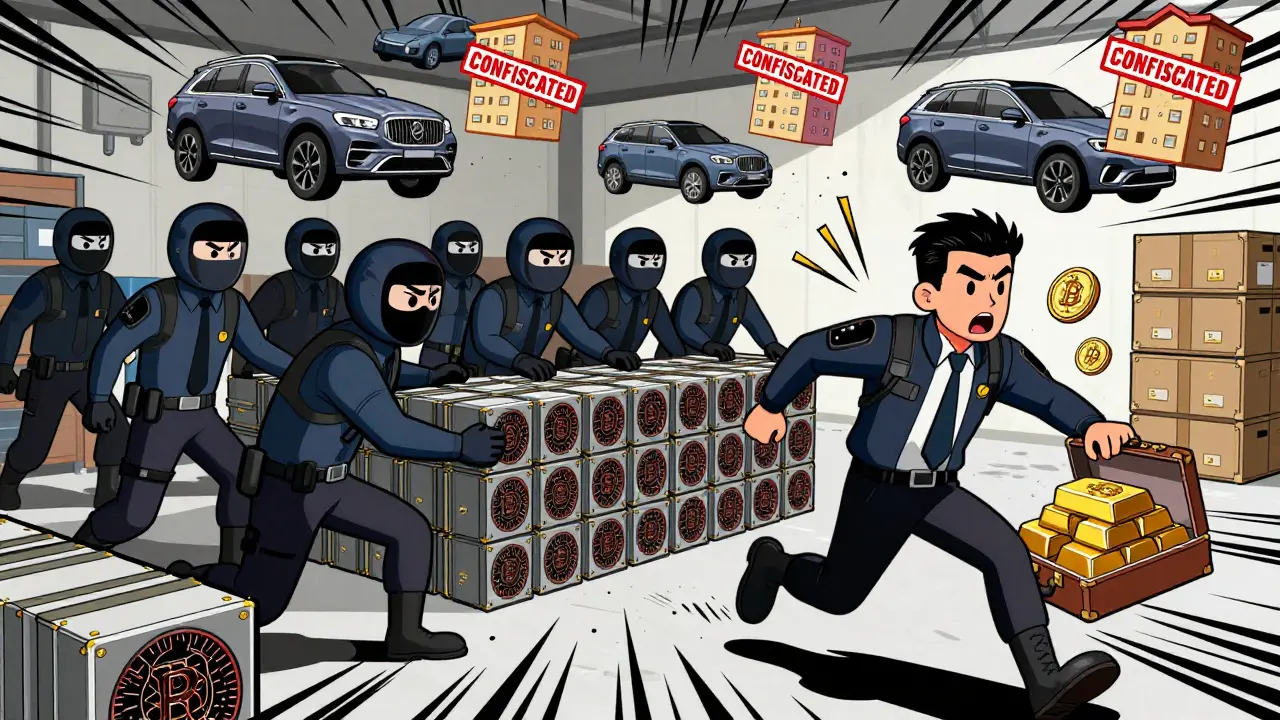
What’s Next for Kazakhstan’s Crypto Scene?
The government isn’t done. Legislators are debating whether to allow crypto trading for individuals on licensed platforms. Right now, only institutions can trade. Ordinary people still can’t buy Bitcoin legally-unless they go through an AIFC-registered exchange. Another proposal would require miners to store 20% of their holdings on registered exchanges. That would make the market more liquid and give regulators better oversight. It’s still under review, but it shows the direction: more control, more transparency, more accountability. Kazakhstan’s model is being watched closely. Russia is copying parts of it. France is testing nuclear-powered mining. Even the U.S. is looking at energy allocation rules for data centers. Kazakhstan didn’t just react to a crisis. It became a case study in how to balance innovation with survival.Is It Worth It to Mine in Kazakhstan Today?
If you’re a small-time miner with a few hundred rigs? Probably not. The paperwork, taxes, and power limits make it unprofitable. But if you’re a company with capital, legal teams, and a long-term strategy? Yes. Kazakhstan still offers one of the most stable, predictable environments for crypto mining in Central Asia. The rules are strict-but they’re clear. And that’s better than chaos. The energy crisis forced a reckoning. Kazakhstan didn’t kill crypto mining. It tamed it. And in doing so, it may have set the standard for how other countries handle the same problem.Is cryptocurrency mining legal in Kazakhstan in 2026?
Yes, cryptocurrency mining is legal in Kazakhstan in 2026-but only if you’re licensed. All mining operations must register with the National Association of Blockchain and Data Center Industry, purchase electricity through the state-run platform, and comply with tax and anti-money laundering rules. Unlicensed mining is illegal and carries heavy penalties, including asset seizure and criminal prosecution.
How much electricity can a crypto miner buy in Kazakhstan?
Miners can only purchase electricity in transactions capped at one megawatt-hour per purchase. All power must be bought through the Ministry of Energy’s official platform. Bulk purchases, private agreements, or black-market deals are banned. This restriction was introduced to prevent large-scale energy theft and stabilize the national grid.
Do I have to sell my mined crypto in Kazakhstan?
Yes. As of 2025, licensed miners must sell at least 75% of their mined cryptocurrency on exchanges registered under the Astana International Financial Centre (AIFC). This rule ensures that mining profits flow into the formal economy and are subject to taxation. The remaining 25% can be held or transferred abroad, but must still be reported.
What happens if I mine without a license?
If you mine without a license, your equipment will be seized, your profits frozen, and you may face criminal charges. Authorities have already confiscated over 4,000 mining devices and shut down 36 unlicensed exchanges. In 2025, a major illegal operation in East Kazakhstan led to arrests, property seizures, and multi-million-dollar fines. The government treats unlicensed mining as a form of energy theft and financial crime.
Can I use renewable energy to mine crypto in Kazakhstan?
Yes, and the government encourages it. New solar and wind farms are being built specifically to supply licensed mining operations with clean energy. These projects are often tied to power purchase agreements that guarantee stable rates and reduce pressure on the main grid. Using renewables can also improve your chances of getting a mining license faster.
Is Kazakhstan still a good place for crypto mining compared to other countries?
Compared to 2021, it’s no longer the easiest place. But compared to countries like Russia or China, it’s still one of the most stable. The rules are strict, but they’re clear. There’s no sudden crackdowns. No ambiguity. If you’re a serious operator with capital and compliance teams, Kazakhstan offers reliable power, political stability, and access to Central Asian markets. For hobbyists or low-budget miners? Probably not.


Bill Sloan
Kazakhstan did what no other country had the guts to do 💪🔥 Shut down the chaos and saved real people's homes. This isn't crypto killing a nation-it's a nation saving itself from greedy idiots. Respect.