
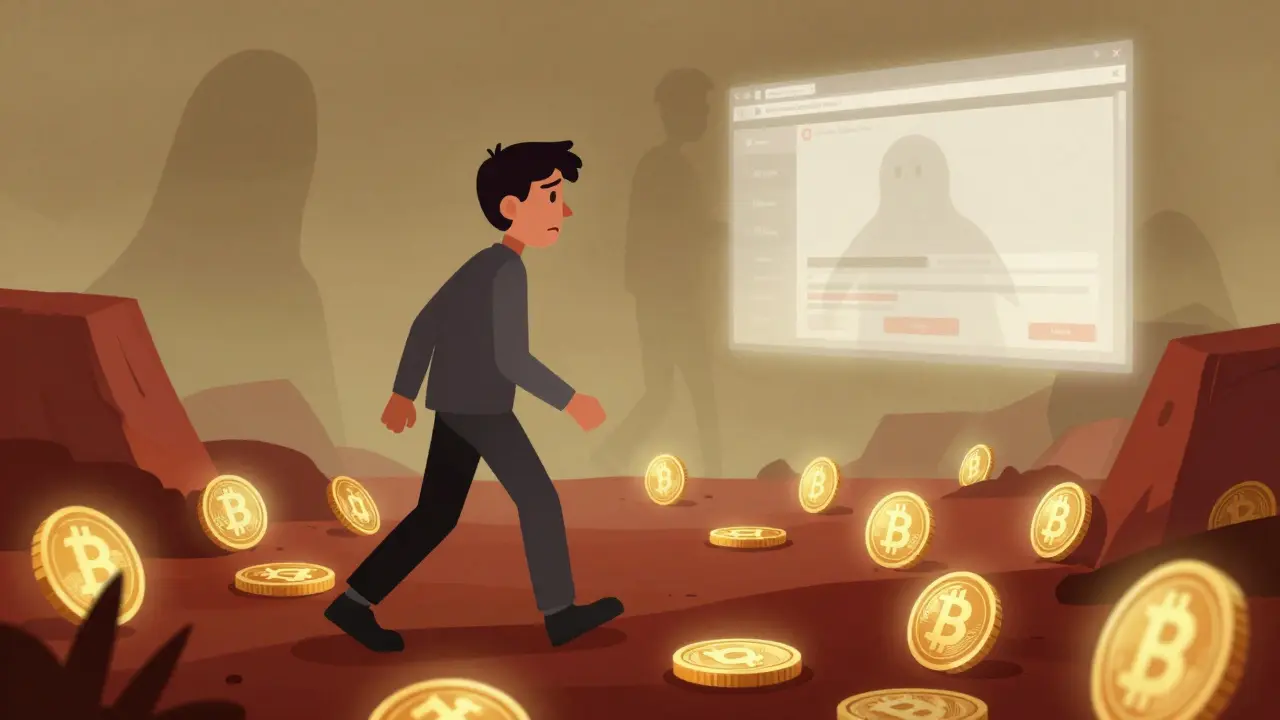
Finding a reliable place to trade your digital assets can feel like walking through a minefield. You see a new platform promising fast swaps and low fees, but then you realize there is almost nothing written about it online. This is exactly the situation with PayCash Swap is a cryptocurrency exchange service that claims to facilitate the swapping of digital assets . When a platform has a ghost-like presence in the industry, it usually isn't a sign of "exclusive" service-it's a massive red flag.
If you are considering depositing your hard-earned money into this service, you need to look at the evidence. In the world of crypto, silence isn't golden; it's dangerous. Based on a deep dive into available data and industry standards, the PayCash Swap review reveals a platform that lacks the basic transparency required to be trusted with user funds.
The Red Flags: What's Missing?
When you look at a legitimate exchange, you expect to see a clear set of operational details. You want to know who is running the show, where they are located, and how they protect your money. PayCash Swap provides none of this. There is no documented corporate history, no physical address, and no mention of regulatory compliance.
Compare this to a standard, trustworthy operation. A real exchange will openly discuss its AML/KYC (Anti-Money Laundering and Know Your Customer) protocols. They explain their risk-based approach to verification and how they monitor for fraud using blockchain analytics. PayCash Swap has no such documentation. When a company hides its security measures, it's usually because those measures don't exist.
Another glaring omission is the lack of a fee schedule. Every exchange makes money somehow-whether through trading fees, withdrawal charges, or spreads. If a platform doesn't clearly list its costs, you are essentially signing a blank check, which is a common tactic used by fraudulent sites to trap funds.
User Feedback and Market Reputation
One of the fastest ways to vet a crypto service is to check independent review aggregators. On FxVerify, a platform that hand-moderates reviews to catch fraud, PayCash Swap holds a rating of 0 out of 5 stars with zero user reviews. While some might argue that a new platform simply hasn't gained traction yet, the complete absence of any user interaction is highly unusual for a service claiming to be an exchange.
Contrast this with legitimate services that have a mix of praise and complaints. Real users complain about 48-hour wait times, customer support delays, or technical glitches. Those complaints are actually a sign of life. They show that people are actually using the service and that there is a mechanism for feedback. PayCash Swap's total silence suggests it is either a shell company or a platform that actively suppresses negative feedback to lure in new victims.
| Feature | PayCash Swap | Legitimate Exchange (e.g., SwapsApp) |
|---|---|---|
| Public Reserves | Unknown / Undocumented | Transparently Reported (e.g., $3M+) |
| User Reviews | 0 Verified Reviews | Active User History (Positive & Negative) |
| Security Protocols | Not disclosed | PCI DSS, 2FA, Cold Storage |
| Payment Methods | Unknown | Bank Cards, SEPA, Apple/Google Pay |
| Regulatory Status | None found | Clear Licensing / AML Compliance |
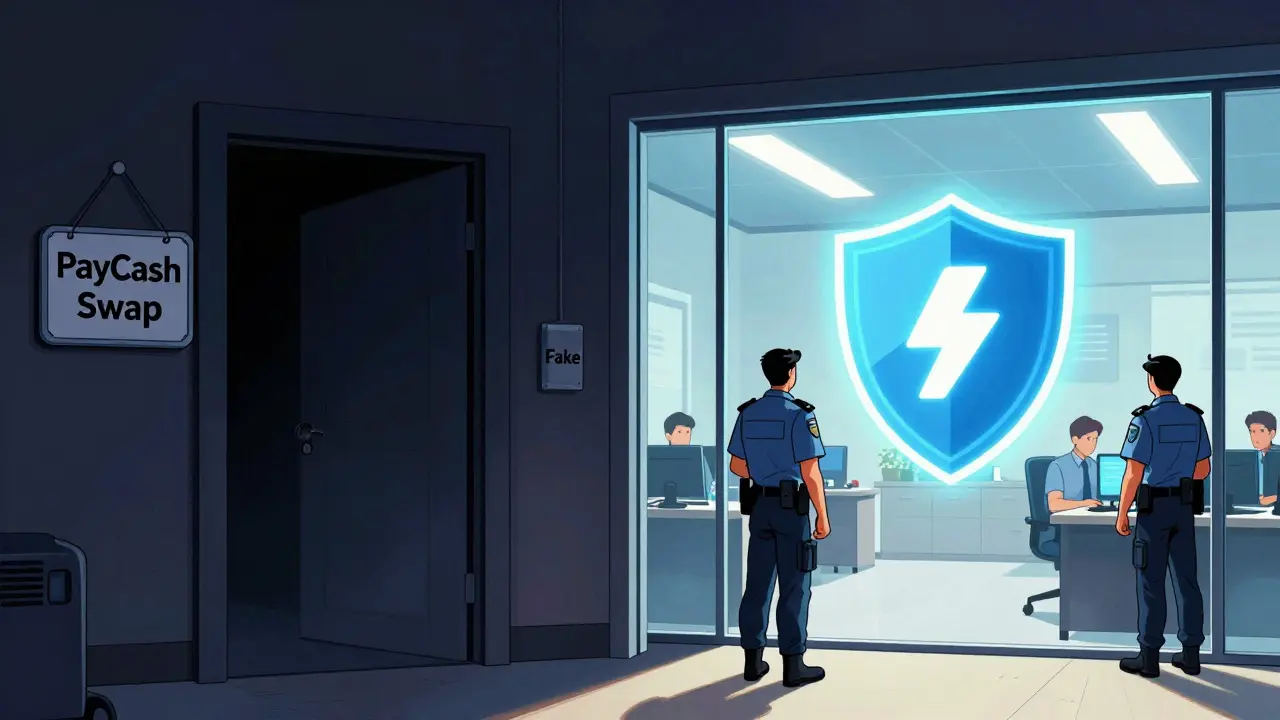
The Anatomy of a Crypto Scam
To understand why PayCash Swap is so risky, we have to look at how modern crypto scams operate. Many of these platforms use a strategy called "pig butchering." The scammers build trust with the victim, often showing them fake profits on a dashboard to make the platform look successful. Once the user is convinced and deposits a large sum, the trap closes.
When the user tries to withdraw their money, the platform suddenly demands more payments. They might claim the account is "frozen" due to a tax requirement or a security audit. They ask for a "withdrawal fee" or a "verification deposit" to unlock the funds. No matter how much you pay, the money never leaves the platform. PayCash Swap's lack of transparency mirrors the operational patterns of known fraudulent sites like VoyanX or the BC Group clones.
If you are asked to pay a fee to retrieve your own money, stop immediately. In a real exchange, fees are deducted from the balance; you never have to send additional funds to "unfreeze" an account.

How to Spot a Fake Exchange
Since there are thousands of these sites popping up, you need a mental checklist to protect your wallet. If you encounter a platform like PayCash Swap, run it through these criteria:
- Search for the "About Us" page: If it's generic text that could apply to any company in the world, be wary.
- Check the domain age: Scams often use fresh domains. If the site is only a few months old but claims years of experience, it's a lie.
- Verify the security: Look for Two-Factor Authentication (2FA) and mentions of cold storage for funds. If they don't mention how keys are stored, your assets are at risk.
- Test the support: Send a complex technical question to their support email. If you get a canned response or no reply, don't trust them with your money.
- Cross-reference the name: Be careful with similar names. For example, there is a "PayCash Tax Guide," but that refers to a completely different service. Scammers often piggyback on the names of legitimate tools to steal credibility.
Final Verdict: Should You Use PayCash Swap?
The evidence is overwhelming: there is no reason to trust PayCash Swap. The total lack of operational data, zero user history on verification platforms, and the absence of security certifications make it a high-risk environment. In the best-case scenario, it's a defunct project. In the worst-case scenario, it's a sophisticated phishing or investment scam designed to steal your deposits.
Stick to exchanges that are regulated and have a verifiable track record. It is better to pay a slightly higher fee on a known platform than to lose 100% of your investment to an anonymous site with no accountability. If you've already sent money to this platform and are being asked for more to get it back, do not send a single cent more. You are likely dealing with a scam.
Is PayCash Swap a legitimate cryptocurrency exchange?
There is no evidence to suggest PayCash Swap is legitimate. It lacks regulatory documentation, has zero verified user reviews on platforms like FxVerify, and provides no transparency regarding its security protocols or reserves. These are all primary indicators of a fraudulent platform.
Why are there no reviews for PayCash Swap?
The absence of reviews can happen for three reasons: the platform is brand new, it has very few users, or it is a scam site that actively suppresses negative feedback and deletes complaints to maintain a clean image. In the case of PayCash Swap, the lack of any corporate footprint suggests the latter.
What should I do if I deposited money and can't withdraw it?
If a platform asks you to pay an additional "tax," "activation fee," or "security deposit" to withdraw your funds, it is a scam. Do not send more money. Report the site to your local cybercrime authority and be wary of "recovery agents" who claim they can get your money back for a fee-these are usually secondary scams.
How can I tell if a crypto exchange is a scam?
Check for these red flags: no physical address, no clear KYC/AML policy, promises of guaranteed high returns, and a lack of independent reviews. Legitimate exchanges are transparent about their reserves, their team, and their legal standing.
Does PayCash Swap have any security certifications?
No. There is no public record of PayCash Swap adhering to industry standards such as PCI DSS for data storage or providing regular third-party security audits, which are common for reputable exchanges.


EDOZIEM MICHAEL
trust is a fragile bridge and once broken it never holds the same weight again this is just the nature of the digital age