
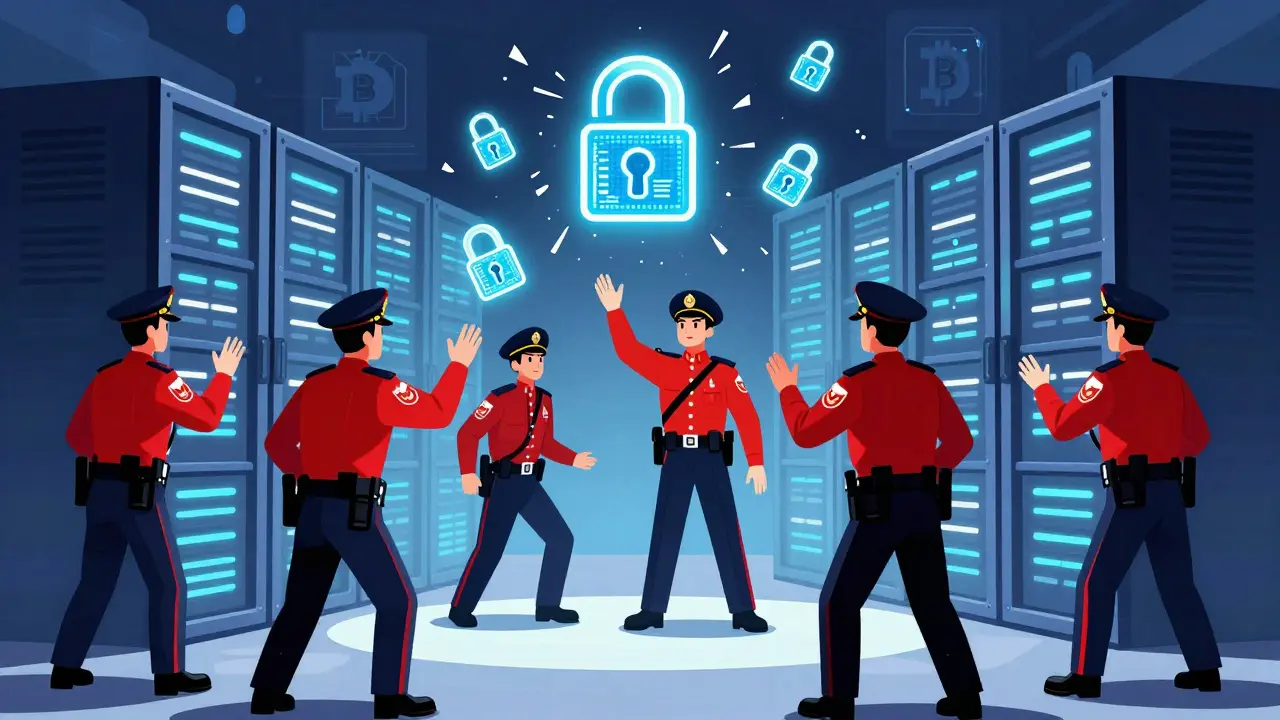
On September 18, 2025, something unprecedented happened in the world of cryptocurrency. The Royal Canadian Mounted Police executed the largest digital asset seizure in Canadian history, seizing $56 million CAD from TradeOgre-a shadowy exchange that thrived on anonymity.
TradeOgre was a privacy-focused cryptocurrency exchange established in 2018, operating outside traditional regulations. Users traded coins like Monero without identity checks, attracted by its promise of secrecy. But secrecy came at a steep price.
The RCMP didn't just raid servers. They dismantled an entire trading platform through months of international cooperation. What makes this case different? Unlike typical wallet seizures, authorities took down an entire exchange infrastructure. This isn't just about confiscating coins-it's about proving regulators can track even hidden digital assets.
The Investigation Behind the Shutdown
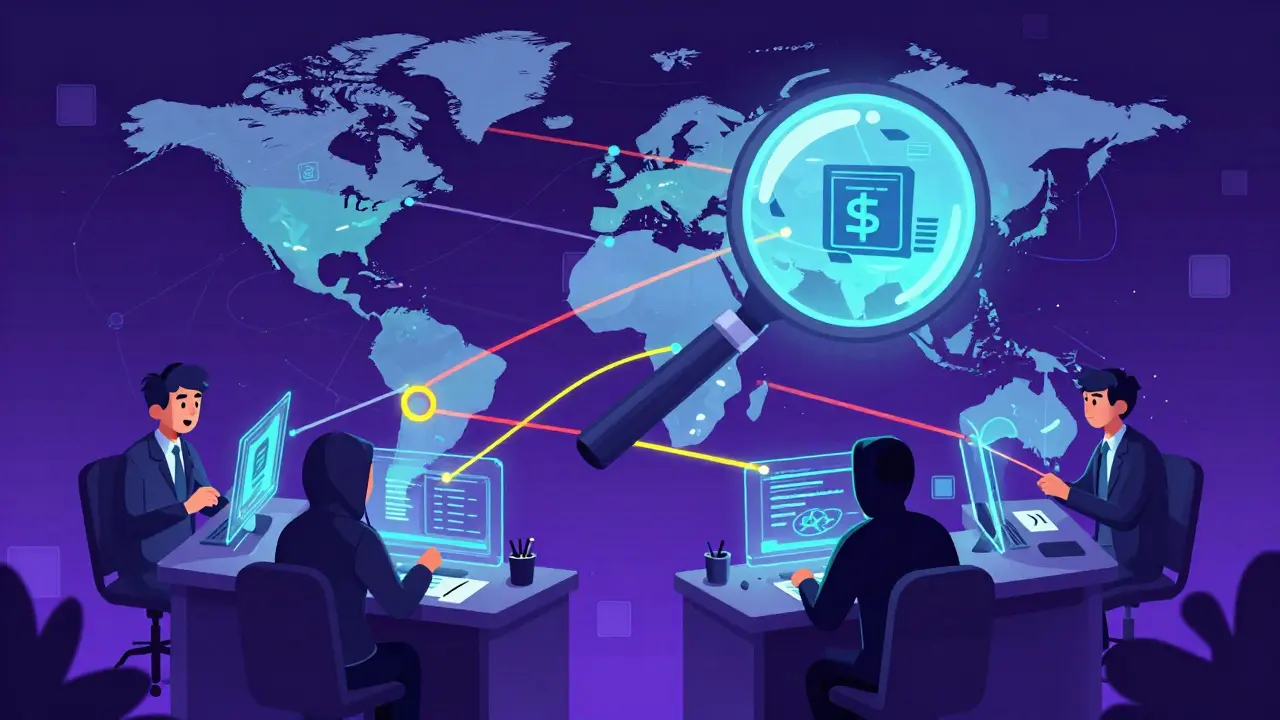
It started in June 2024 when Europol flagged suspicious patterns to Canada's Money Laundering Investigative Team. Blockchain data showed massive untraceable flows through TradeOgre wallets. Authorities teamed up with Arkham Intelligence, a firm specializing in blockchain forensics, to map transactions across multiple cryptocurrencies.
The exchange had bypassed registration with FINTRAC, Canada's financial intelligence center. Instead of requiring IDs, they offered Tor-based access and Monero conversions-tools criminals use to hide trails. "They weren't trying to launder money," says one analyst. "They were selling invisibility."
Why Privacy Exchanges Face Heat Now
Regulators aren't opposing privacy. They're targeting systems that ignore reporting obligations. Consider two realities:
- Most major exchanges now mandate KYC checks before deposits
- Privacy coins remain legal but face stricter monitoring
TradeOgre operated differently. It never asked for passports or selfies. That freedom made it a playground for illicit activity. When investigators followed funding sources, they discovered hundreds of millions moving through channels designed to erase footprints.
Million Recovered-But Where Is It?
| Coin Type | Amount Seized | Recovery Status |
|---|---|---|
| BTC | ~$32M CAD | Secured in cold storage |
| ETH | ~$18M CAD | Auditing ongoing |
| XMR | ~$6M CAD | Under technical review |
Cryptocurrency seizures involve unique challenges. Coins don't sit in vaults-they live on blockchains. Officers embedded digital receipts into transfer records to mark ownership. Think of it like placing a "police evidence" sticker on a wallet address.
User Impacts Beyond Asset Loss
When TradeOgre went dark, thousands faced frozen accounts. Many tried withdrawing funds only to find blocked requests. Some users reported panic messages appearing during attempted transfers. Unlike bank closures, there was no deposit insurance backing these trades.
Lessons learned?
- Never trust platforms refusing identity verification
- Keep critical reserves in regulated custodians
- Monitor exchange reputation before large deposits
How Enforcement Has Changed
This case proves regulators now treat privacy tools differently than five years ago. Three shifts stand out:
- International collaboration accelerated through shared threat intelligence
- Private firms provide forensic capabilities once limited to governments
- Blockchain analysis can trace even obfuscated transactions
An expert notes: "We've moved from chasing individual bad actors to dismantling entire ecosystems."
What Comes Next for Crypto Markets?
The ripple effects extend beyond TradeOgre. Other offshore exchanges serving Canadians may face similar scrutiny. Expect three trends:
- Mandatory self-audits for Canadian-facing platforms
- Tighter controls on cross-border crypto settlements
- New penalties for unlicensed intermediaries
Innovation faces tradeoffs. Privacy remains valuable for legitimate use cases-but total opacity invites oversight. The line between protection and evasion is blurring.


Nicholas Whooley
The regulatory landscape is shifting rapidly towards greater transparency and accountability. It is encouraging to see international bodies working together on this scale of operation. Privacy is important but it must not serve as a shield for illicit financial activities. We should all support measures that protect investors while maintaining legal standards. Collaboration between nations ensures that bad actors cannot simply hide behind borders.