
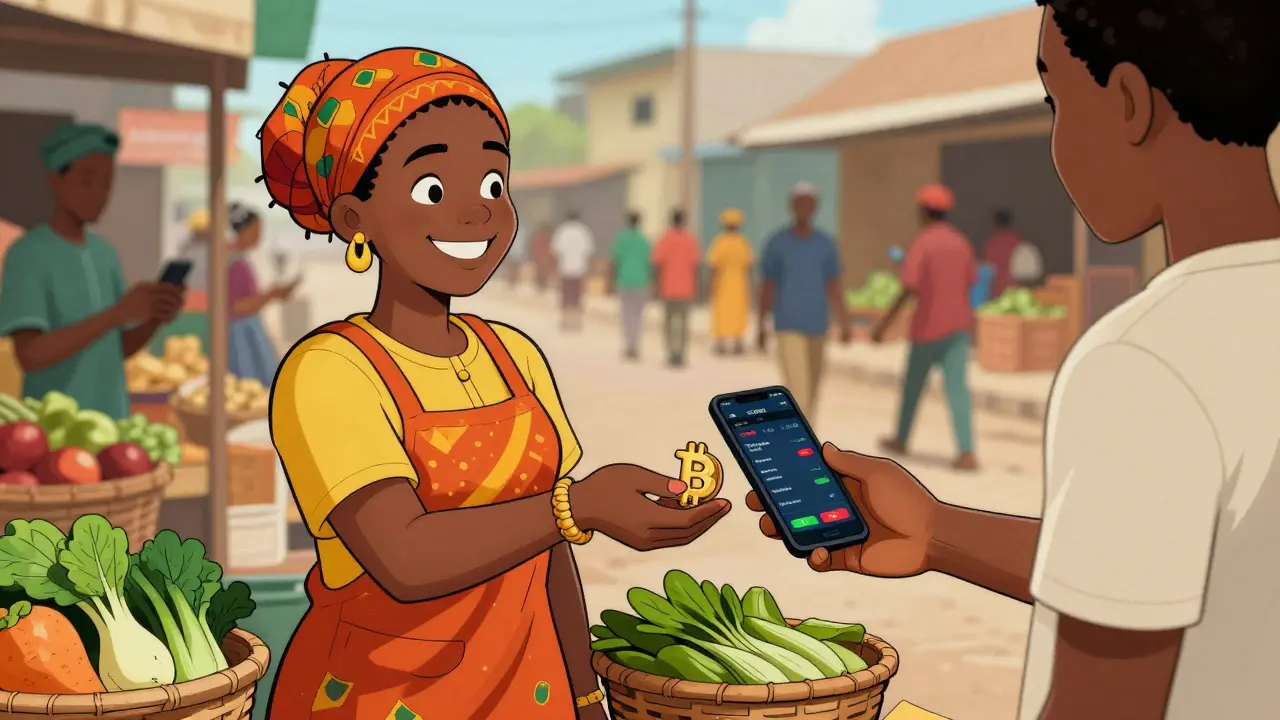
When a country’s money loses 75% of its value in less than a decade, people don’t wait for permission to find a better way. In Nigeria, that’s exactly what happened. Despite government bans, crackdowns on crypto exchanges, and public warnings from the central bank, millions of Nigerians kept using Bitcoin, USDT, and other digital assets-not because they were tech enthusiasts, but because they had no other choice.
Why People Turn to Crypto When Governments Say No
In 2023, Nigeria’s inflation hit 24%. The naira, once worth 150 to the U.S. dollar, dropped below 1,000. Salaries vanished overnight. Savings evaporated. People couldn’t send money abroad without paying 8% in fees through traditional remittance channels. Banks limited withdrawals. Foreign currency became nearly impossible to access legally. That’s when crypto stepped in. Not because it was promoted by Wall Street or endorsed by regulators, but because it worked. A young engineer in Lagos could earn dollars by freelancing online and get paid in USDT. A mother in Kano could receive money from her son in London without waiting days or paying a fortune. A small business owner could buy inventory from China without going through a bank that refused to process the transaction. Crypto didn’t need approval. It didn’t need a license. It just needed an internet connection and a smartphone-which, by 2024, over 60% of Nigerian adults had.The Mechanics of Grassroots Adoption
This isn’t about mining or trading. It’s about survival. Grassroots crypto adoption looks different from what you see in Silicon Valley. There are no institutional wallets. No ETFs. No Coinbase ads on billboards. Instead, it looks like this:- Peer-to-peer (P2P) trading on platforms like Paxful and LocalBitcoins, where buyers and sellers meet directly, often using cash or mobile money.
- WhatsApp groups where neighbors share tips on where to get the best exchange rates.
- Market vendors who accept Bitcoin for goods and give change in naira, using real-time price feeds on their phones.
- Students who use crypto to pay for online courses, avoiding the blocked international payment gateways.

It’s Not Just Nigeria
Nigeria leads the pack-ranked second globally in crypto adoption in 2024-but it’s not alone. In Argentina, where inflation hit 200% in 2023, people use USDT to buy groceries. In Vietnam, where currency controls restrict foreign purchases, crypto became the only way to access global e-commerce. In Turkey, citizens moved savings out of the lira into Bitcoin after the central bank dropped interest rates to 10% in a desperate bid to stimulate the economy. The pattern is always the same: crypto adoption spikes when trust in the national currency collapses. It’s not about speculation. It’s about protection.How Governments React-And Why They Can’t Stop It
Nigeria’s central bank banned banks from processing crypto transactions in 2021. They called it a “risk to financial stability.” The move backfired. Crypto usage didn’t drop-it went underground. P2P trading volumes surged by 300% in the next six months. Governments can shut down exchanges. They can freeze accounts. They can threaten jail time. But they can’t shut down the internet. They can’t stop people from sending a few kilobytes of data that proves ownership of a digital asset. And they can’t stop millions from using it when their money is worthless. By 2025, Nigeria’s government quietly reversed course. The ban wasn’t lifted-it was ignored. The central bank started exploring a digital naira, but it wasn’t designed to replace crypto. It was designed to compete with it. The same thing happened in the U.S. In 2025, Congress passed the GENIUS Act, creating a legal framework for payment stablecoins. It required issuers to hold 1:1 backing in U.S. dollars or short-term Treasuries. It wasn’t a victory for crypto activists. It was a surrender to reality. The market had already moved. The government had no choice but to regulate what it couldn’t ban.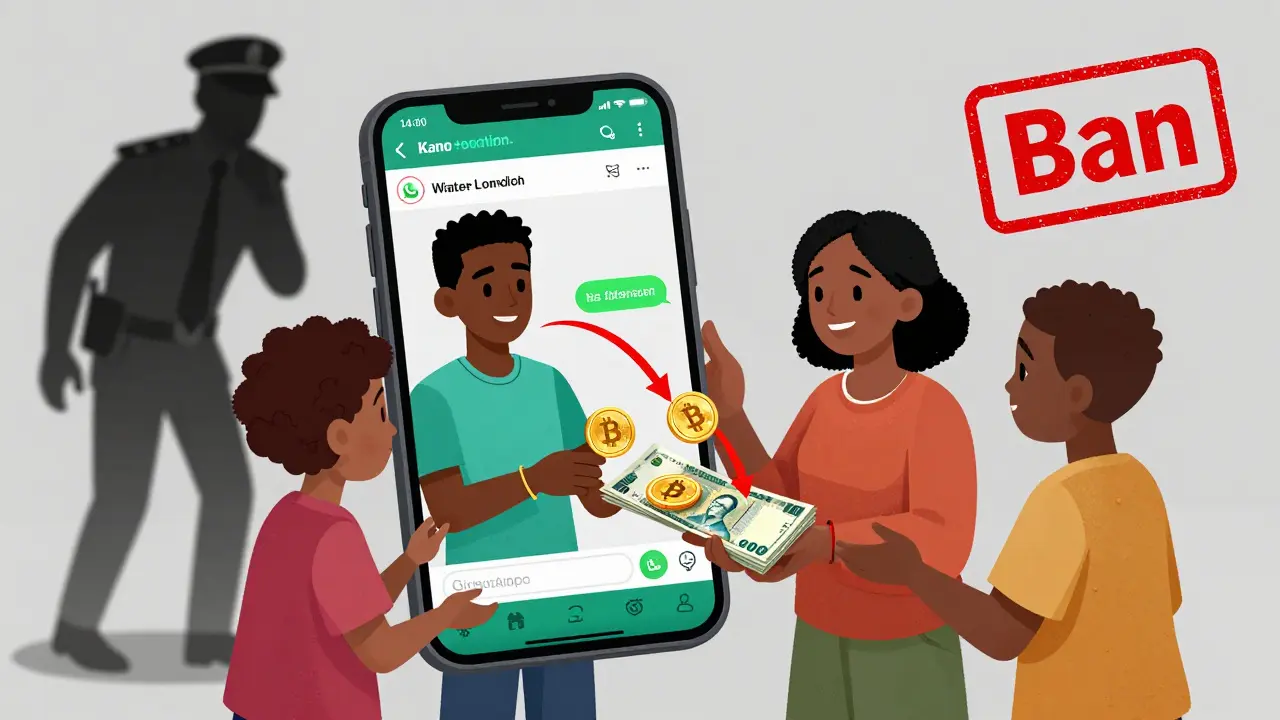
The Real Power of Grassroots Adoption
What makes this movement unstoppable isn’t technology. It’s human behavior. When people are forced to choose between losing their savings or finding a way to preserve them, they will find a way. Crypto isn’t magic. It’s just the most efficient tool available for a broken system. In developing economies, crypto isn’t a luxury-it’s infrastructure. It’s the ATM that works when banks close. It’s the bank account for the 36% of adults who never had one. It’s the bridge to global markets when borders are sealed. And here’s the kicker: governments that try to ban it end up losing control. Those that try to regulate it too late end up playing catch-up. The only thing that works is adapting.What Comes Next?
The next wave of grassroots adoption will hit countries with similar conditions: high inflation, capital controls, and weak banking. Look at Egypt, Pakistan, and Venezuela. Their economies are under strain. Their youth are online. Their remittance flows are massive. The infrastructure is already there. Regulators won’t win by banning. They’ll win by understanding. The real question isn’t whether crypto will survive government bans. It’s whether governments will learn to work with it before they’re left behind. The truth is simple: when people need financial freedom more than they fear regulation, they’ll find a way. And they already have.Why can’t governments shut down cryptocurrency completely?
Governments can’t shut down cryptocurrency because it runs on decentralized networks. Unlike banks, which rely on physical infrastructure and centralized servers, crypto operates across thousands of computers worldwide. Even if a country blocks exchanges or bans banks from handling crypto, users can still trade directly through peer-to-peer platforms, use VPNs to access foreign services, or store assets in hardware wallets. No single authority controls the network, so banning one part doesn’t stop the whole system.
Is crypto adoption in Nigeria really higher than in the U.S.?
Yes. According to Chainalysis data from 2024, Nigeria ranked second globally in crypto adoption, behind only Vietnam. The U.S. ranked 18th. The difference? In Nigeria, adoption is driven by necessity-remittances, inflation protection, and unbanked access. In the U.S., adoption is mostly speculative or tied to investment. Over 30% of Nigerian adults have used crypto in the past year, compared to under 15% in the U.S.
Do people in Nigeria still use the naira if crypto is so popular?
Absolutely. The naira is still used for daily transactions-buying food, paying rent, or hailing a taxi. But crypto is used to preserve value. People convert naira to USDT or Bitcoin to protect savings from inflation, then convert back to naira when they need to spend. It’s not a replacement-it’s a hedge. Many businesses even accept both: crypto for long-term value, naira for immediate purchases.
What role do mobile phones play in grassroots crypto adoption?
Mobile phones are the backbone. In Nigeria, over 90% of adults own a smartphone. Most don’t have bank accounts, but they all have WhatsApp, Telegram, and mobile data. Crypto wallets like Trust Wallet and Phantom work on phones. P2P trading happens through messaging apps. Even people in rural areas can receive crypto payments via USSD codes or QR scans. Without smartphones, grassroots crypto adoption wouldn’t be possible.
Are there risks to using crypto in countries with bans?
Yes. Users face risks like scams, lack of legal recourse if funds are stolen, and potential legal trouble if caught using banned platforms. Some Nigerian users have been arrested for operating P2P trading hubs. But for many, the risk of losing savings to inflation is greater than the risk of using crypto. Most users minimize risk by using well-known wallets, avoiding large transfers, and staying informed through community networks.


Anastasia Danavath
People really think crypto is gonna save the world? 😅 I mean, sure, Nigeria’s cash is trash but we got apps that auto-pay my rent and send me free coffee. Stop acting like this is revolutionary. It’s just… desperate. 🤷♀️