
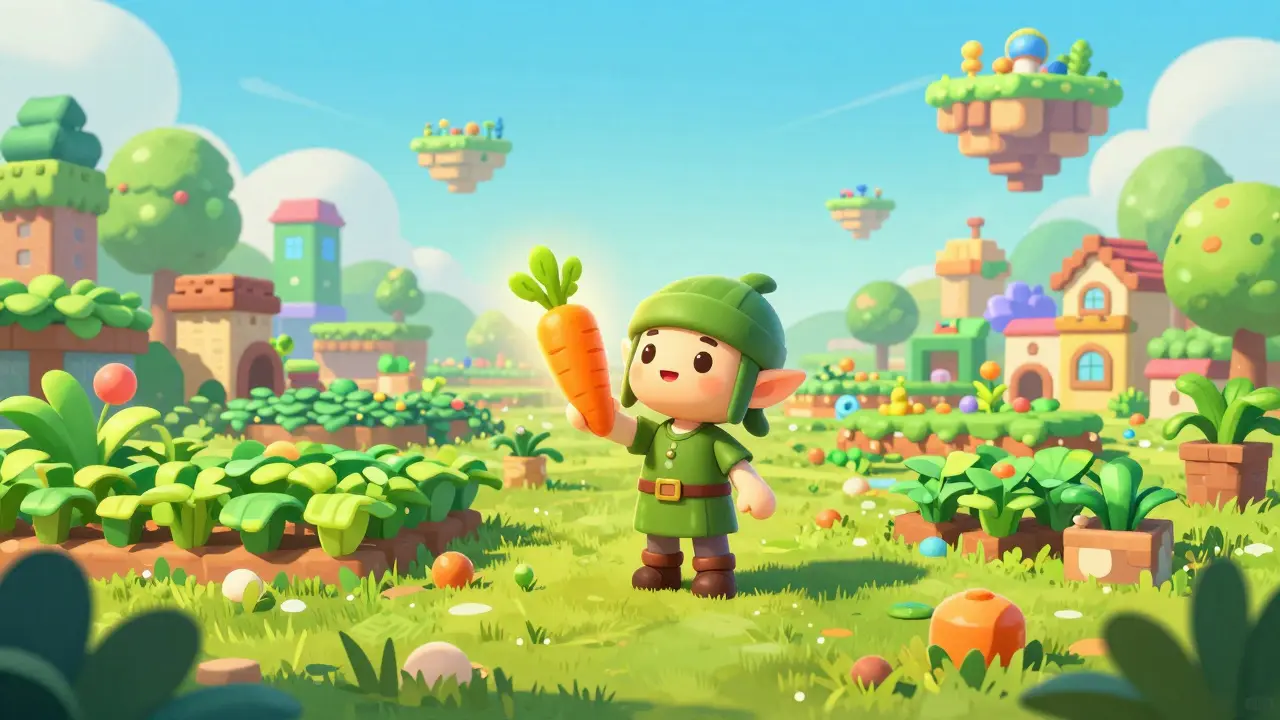
You’ve probably seen the ticker ELF on a chart and wondered what’s going on. Is this the next big metaverse play, or just another quiet corner of the crypto market? If you are looking at THE LAND ELF Crossing, you need to separate the hype from the hard data right now.
THE LAND ELF Crossing is not just a coin; it is a blockchain-based farming game built on the Palette Chain. It promises a "Metaverse with Destination" that complies with Japanese laws. But does it deliver value, or is it stuck in low liquidity? Let’s break down exactly what this project is, how the token works, and why the numbers look so strange across different exchanges.
What is THE LAND ELF Crossing?
THE LAND ELF Crossing is a metaverse farming blockchain game developed as a major update to the 'ELF Masters - Arena of Light and Darkness' ecosystem. Think of it as a virtual farm where you grow crops, expand your city, and compete in events like fishing tournaments. But unlike FarmVille, your assets are NFTs, and your currency is the ELF token.
The project runs on Palette Chain is a blockchain network designed for gaming that offers zero network fees and supports off-chain payment methods like credit cards and mobile carrier billing. This is a key differentiator. Most gamers hate paying gas fees every time they pick a carrot. Palette Chain removes that friction, aiming to make the experience feel like a normal mobile app rather than a complex DeFi interaction.
The core loop involves two main types of Non-Fungible Tokens (NFTs):
- Master NFTs: These act as your avatars within the game world.
- LAND NFTs: These represent virtual real estate. You can develop these plots, plant crops, and potentially partner with other developers to build advanced features on your land.
The goal is to create a self-sustaining economy where players earn by playing. However, the bridge between earning in-game rewards and selling them for real-world cash is where things get tricky, as we will see later.
Understanding the ELF Token Utility
The ELF token is the primary governance and utility token for the Palette Chain gaming ecosystem. It serves several functions within THE LAND ELF Crossing:
- Governance: Holders can vote on changes to the game mechanics and future developments.
- In-Game Currency: You use ELF to buy seeds, upgrade buildings, and enter competitive events.
- NFT Trading: When you sell your Master NFTs or LAND NFTs to other players, the transaction often settles in ELF.
Technically, the ELF token operates on the Ethereum network. The contract address is 0x8A13F32e2A556830F3A5e97a96Ae941abfcB1D5c. Always double-check this if you are buying directly through a decentralized exchange to avoid scams.
The total supply is capped at 1,000,000,000 (1 billion) ELF tokens. This fixed supply means inflation isn’t an issue, but distribution is. How many tokens are actually in circulation is a point of major confusion among traders.
The Data Problem: Why Prices Look Different Everywhere
If you check the price of ELF today, you might get three completely different answers. This is not because the market is volatile; it’s because the data reporting is broken.
| Platform | Reported Price | Circulating Supply | Market Cap | 24h Volume |
|---|---|---|---|---|
| Coinbase | $0.0054 | 0 (Listed as inactive/low volume) | N/A | €19.4K |
| CoinMarketCap | $0.0040 | 418.08 Million (Self-reported) | $2.15 Million | $7.73K |
| Cryptorank.io | Data Inconsistent | Varies | Varies | Negligible |
| CoinBrain | $0.000000000001 | Error/Confusion | Negligible | Negligible |
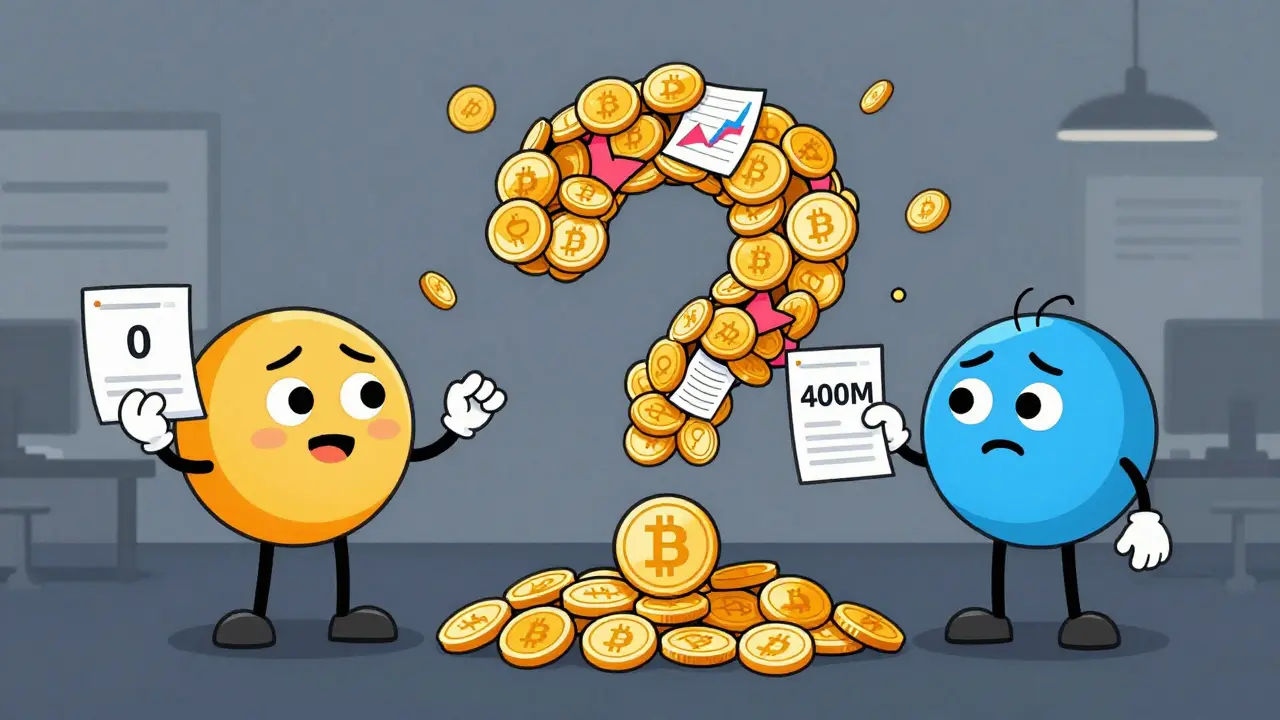
Look at that table. Coinbase shows almost no circulating supply, while CoinMarketCap claims over 400 million tokens are out there. This discrepancy creates a massive risk. If you buy based on the $2.15M market cap from CoinMarketCap, but the actual tradeable supply is much lower (as suggested by Coinbase), you could be buying into an illiquid pool where you cannot sell without crashing the price.
This lack of consistent data is a red flag. In mature crypto projects, these numbers align closely. Here, they diverge wildly, suggesting either poor reporting by the team or confusion about which version of the token is being tracked.
Is ELF Safe? Regulatory Compliance and Risks
One of the project’s biggest selling points is its compliance with Japanese regulations. Japan has some of the strictest crypto laws in the world, overseen by the Financial Services Agency (FSA). Being compliant here should theoretically build trust.
However, compliance doesn’t equal safety. Industry analysts note that many projects claim regulatory alignment without providing clear documentation. For example, Takashi Ohyama, a blockchain consultant in Tokyo, noted that projects claiming compliance without transparent proof face significant trust barriers in Asia’s regulated market.
Here are the specific risks you need to watch:
- Liquidity Trap: The 24-hour trading volume is extremely low (under $20K). This means if you try to sell a large amount of ELF, there may not be enough buyers. You could be left holding tokens you can’t convert to fiat.
- Exchange Limitations: ELF is primarily listed on bitFlyer, a major Japanese exchange. It is not widely available on global giants like Binance or Coinbase Global. This limits who can easily buy or sell it.
- Price Decline: The token is trading roughly 80% below its all-time high. While dips happen in bull markets, an 80% drop with no major news suggests a loss of interest or fundamental issues.
- Supply Discrepancy: As mentioned, the conflicting data on circulating supply makes it impossible to accurately value the project.
User Experience: What Players Are Saying
Data tells one story; user feedback tells another. Since THE LAND ELF Crossing is a game, the community sentiment is crucial. Unfortunately, the signal-to-noise ratio is low.
The Discord server has around 2,300 members, but active daily users number only about 12. That is a less than 1% engagement rate. On Reddit, mentions are scarce, with users describing the token as "basically untradeable" due to zero liquidity.
On the Google Play Store, the app has fewer than 5,000 downloads and a 3.2/5 rating. Negative reviews frequently cite two issues:
- "Can't sell anything": Players find it difficult to convert in-game earnings back into real money.
- "Token value doesn't match game economy": The cost of in-game items feels disconnected from the actual market price of ELF, making progression feel artificial.
Support response times average six hours, which is slow for a live-service game. If you run into a bug during a tournament, waiting half a day for help kills the fun.
How to Buy ELF (If You Decide To)
If you still want to take a chance on ELF, here is the most straightforward path. Remember, this involves high risk due to low liquidity.
- Create a Wallet: Use a wallet that supports Ethereum ERC-20 tokens (like MetaMask) since the ELF contract is on Ethereum.
- Choose an Exchange: Your best option is likely bitFlyer, given its focus on the Japanese market and direct support for ELF. Alternatively, check if any decentralized exchanges (DEXs) like Uniswap have a viable pool for the contract address `0x8A13F32e2A556830F3A5e97a96Ae941abfcB1D5c`.
- Verify the Contract: Never rely on search names alone. Paste the exact contract address into your DEX interface to ensure you are buying the correct token.
- Start Small: Due to the low volume, even a small purchase can impact the price. Do not invest more than you can afford to lose entirely.
- Link to Game: Once you have ELF, link your wallet to the THE LAND ELF Crossing mobile app to start playing.
Final Verdict: Wait and Watch?
THE LAND ELF Crossing has an interesting concept: a fee-free, regulation-compliant farming metaverse. The tech stack on Palette Chain is solid for reducing friction. But the execution is lagging behind the idea.
The combination of conflicting market data, extremely low liquidity, and minimal community engagement makes this a speculative bet at best. Until the team resolves the circulating supply discrepancies and proves that players can easily exit their positions for real-world value, the risk outweighs the reward for most investors.
If you are a gamer, try the demo. If you are an investor, keep watching the volume metrics. A healthy project needs people trading, not just holding bags in silence.
What is the current price of ELF token?
The price varies significantly by platform. As of late 2024, Coinbase lists it around $0.0054, while CoinMarketCap reports approximately $0.0040. Due to low liquidity, prices can swing wildly with small trades. Always check multiple sources before buying.
Is THE LAND ELF Crossing a scam?
There is no definitive evidence labeling it a scam, but there are serious red flags. These include inconsistent market data, extremely low trading volume, and user complaints about inability to sell assets. It is considered a high-risk investment.
Which blockchain is ELF on?
The ELF token operates on the Ethereum network as an ERC-20 token. The game itself runs on Palette Chain, which integrates with Ethereum for asset security and trading.
Can I play THE LAND ELF Crossing on mobile?
Yes, the game is available on both iOS and Android. You can download it from the App Store or Google Play. However, to access full token utilities, you must link a compatible cryptocurrency wallet.
Why is the circulating supply different on different sites?
This is likely due to errors in data aggregation or self-reporting by the project team. CoinMarketCap uses self-reported figures, while other platforms may calculate based on actual tradeable balances. This discrepancy indicates a lack of transparency in the project's financial reporting.
Is ELF compliant with Japanese regulations?
The project claims to be compliant with Japanese laws and targets the Japanese market, partnering with local exchanges like bitFlyer. However, independent verification of this compliance is limited, and experts advise caution regarding claims made without public documentation.