
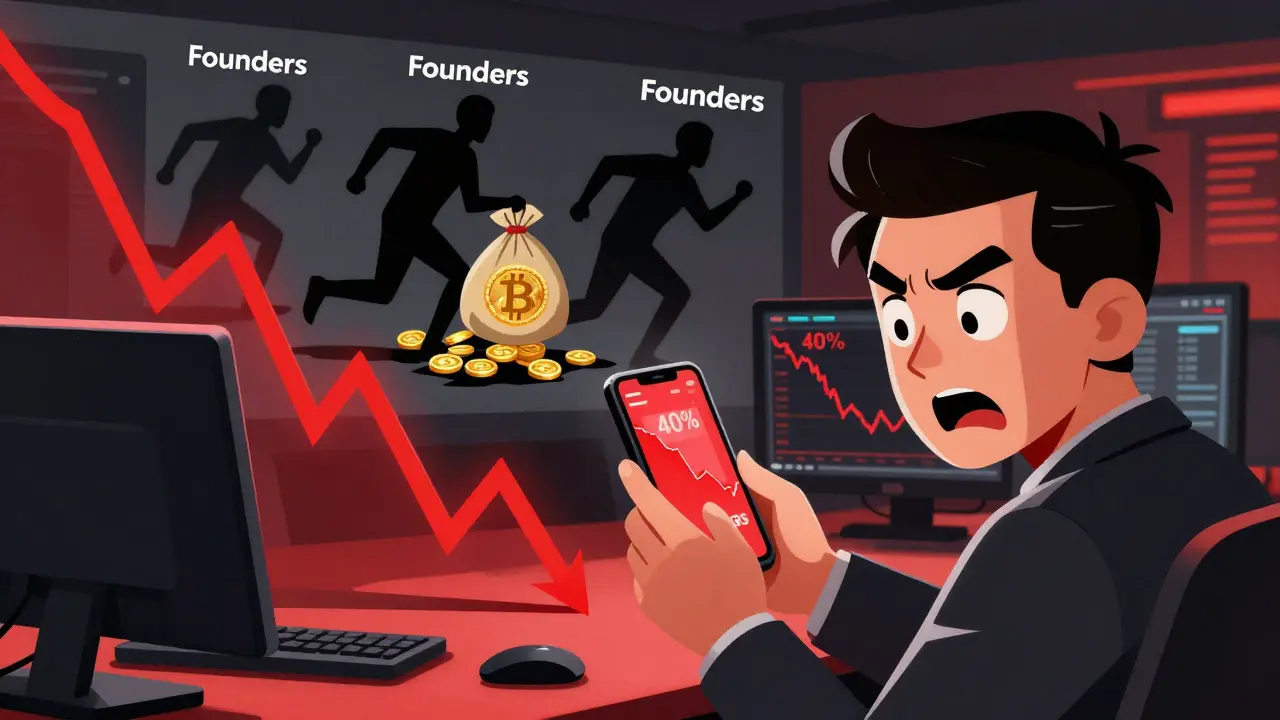
Imagine you just invested in a promising new crypto project. The team looks solid, the tech is innovative, and the community is buzzing. But then, on day one of trading, the price crashes by 40%. Why? Because the founders dumped their entire allocation instantly. This scenario isn't rare; it's the nightmare every investor fears. Smart contract vesting is the technical safeguard that prevents this chaos. It locks up tokens for teams, investors, and advisors, releasing them slowly over time to ensure everyone stays committed to the project's long-term success.
If you are building a token or managing a treasury, understanding how to implement these contracts correctly is non-negotiable. You aren't just writing code; you are defining trust. In this guide, we will break down exactly how smart contract vesting works, the different architectural choices you face, and the critical security steps you must take to avoid costly mistakes.
How Smart Contract Vesting Works
At its core, smart contract vesting is an automated system on the blockchain that releases digital assets according to predefined rules without human intervention. Think of it as a digital escrow service that cannot be bribed, hacked (if written well), or ignored. Once the contract is deployed, the terms are immutable. If the code says tokens unlock monthly, they unlock monthly. No exceptions.
The mechanism relies on specific parameters set at deployment. These usually include:
- Total Amount: The total number of tokens locked in the contract.
- Start Time: When the clock begins ticking (often a Unix timestamp).
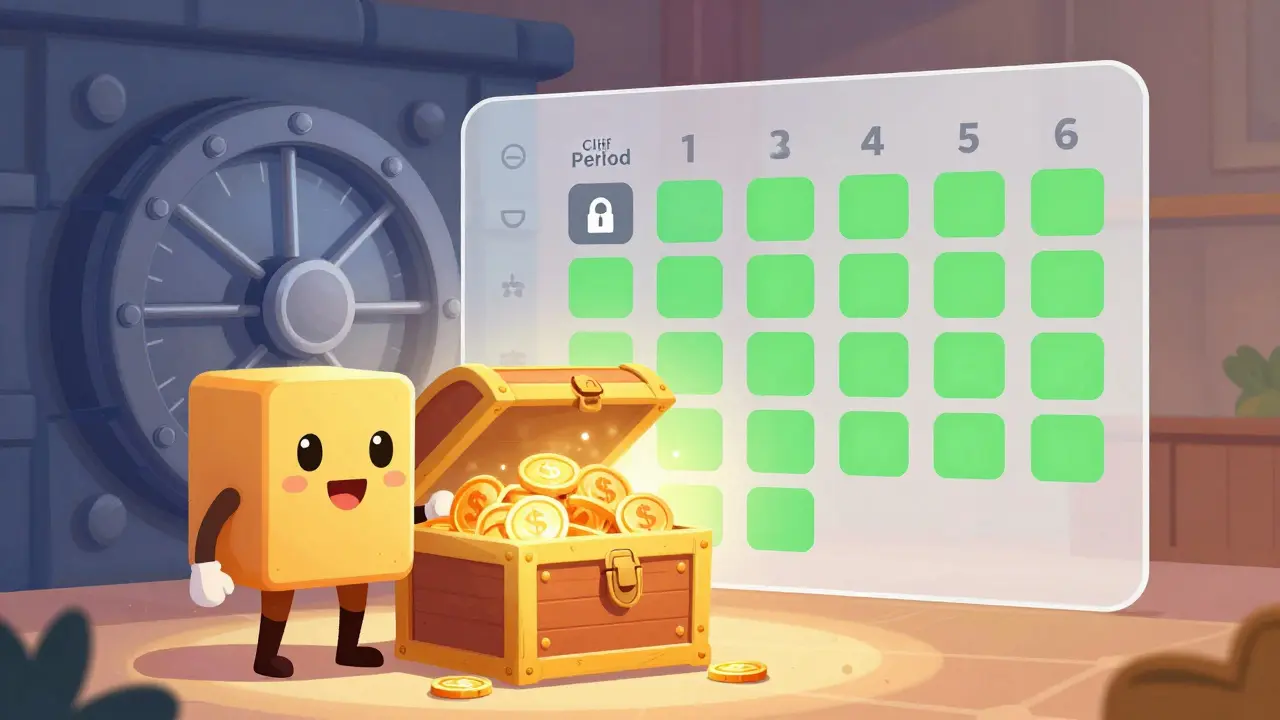
- Cliff Period: An initial lock-up phase where zero tokens are released. This ensures team members stay for at least a few months before getting anything.
- Vesting Duration: The total length of time over which tokens are distributed.
- Unlock Frequency: How often tokens are released (e.g., daily, weekly, or monthly).
For example, a typical team vesting schedule might look like this: 1 million tokens locked, with a 6-month cliff. After six months, the first batch unlocks. Then, the remaining tokens release linearly over the next three years. This structure aligns incentives: if the team leaves early, they get nothing. If they stay, they are rewarded gradually.
Two Main Architectural Approaches
When implementing vesting, developers generally choose between two paths. Your choice depends on your project's complexity and existing infrastructure.
1. Embedded Vesting Logic
In this approach, the vesting logic is built directly into the token's main smart contract. Every time someone tries to transfer tokens from a vested wallet, the contract checks if enough time has passed. If not, the transaction fails. This method is simple and keeps all functionality in one place. However, it can bloat the token contract, making it harder to audit and upgrade. It also limits flexibility because changing the vesting logic requires upgrading the entire token standard.
2. Separate Vesting Contracts
This is the more common and flexible approach. You deploy a separate smart contract specifically designed for vesting. The tokens are transferred from the owner's wallet to this vesting contract. The vesting contract then holds the funds and releases them to the beneficiary address according to the schedule. This separation of concerns makes audits easier and allows you to use standardized, battle-tested libraries like OpenZeppelin’s vesting modules. It also enables complex scenarios, such as multiple beneficiaries with different schedules managed by a single contract.
Case Study: The TON Blockchain Model
To see advanced implementation in action, look at the TON (The Open Network) ecosystem. A high-performance blockchain platform known for its scalable architecture and Telegram integration. TON uses a sophisticated multi-token vesting system rather than a simple linear release. Instead of locking TON coins directly, they created derivative tokens like SeedTON, PrivateTON, and StrategicTON. These act as "shares" of the underlying TON supply.
Each share type has its own pricing relative to TON and a distinct payout schedule. Investors hold these shares until the vesting period ends, at which point a special "Swapper" contract converts the shares back into TON, burning the shares in the process. This model adds transparency and allows for secondary market trading of vested rights, but it significantly increases implementation complexity. For most projects, a standard linear vesting contract is sufficient, but TON demonstrates how deep customization can go.
Custom Development vs. Standard Libraries
You have two options for building your vesting solution: coding from scratch or using established frameworks. Here is how they compare:
| Feature | Custom Smart Contract | Standard Library (e.g., OpenZeppelin) |
|---|---|---|
| Flexibility | High - Tailored to unique needs | Medium - Limited to library features |
| Security Risk | Higher - Requires rigorous auditing | Lower - Community-tested code |
| Development Cost | High ($15k-$50k+ for audits) | Low - Minimal development time |
| Maintenance | Complex - Full ownership responsibility | Simple - Follow library updates |
| Best For | Projects with complex tokenomics | Standard ICOs/IDO launches |
Unless you have a very specific reason to build custom logic (like the TON share model), stick to standard libraries. They save money, reduce risk, and speed up deployment. Custom development should only be considered when standard tools cannot meet your functional requirements.
Critical Security Considerations
Vesting contracts hold valuable assets, making them prime targets for hackers. A single bug can lead to total loss. Here are the top risks and how to mitigate them:
- Reentrancy Attacks: Ensure your contract follows the Checks-Effects-Interactions pattern. Never send external calls before updating internal state variables.
- Integer Overflows: Use Solidity version 0.8.0 or higher, which includes built-in overflow checks. Older versions require manual safe math libraries.
- Access Control: Restrict administrative functions. Only authorized addresses should be able to pause the contract or update parameters. Use multi-signature wallets for admin keys.
- Gas Costs: On Ethereum, frequent small unlocks can be expensive due to gas fees. Consider batch unlocking or deploying on Layer 2 solutions like Polygon or Arbitrum to reduce costs.
Always hire a reputable firm like ConsenSys Diligence or Trail of Bits for a security audit. Budget $15,000 to $50,000 for this step. It is cheaper than losing millions in an exploit.

Implementation Checklist
Before deploying your vesting contract, run through this checklist:
- [ ] Define clear vesting schedules for each stakeholder group (team, investors, advisors).
- [ ] Choose between push (contract sends tokens) and pull (beneficiary claims tokens) mechanisms. Pull is generally safer and more gas-efficient.
- [ ] Set realistic cliff periods and durations to align with project milestones.
- [ ] Test extensively on testnets (Goerli, Sepolia) with various edge cases.
- [ ] Conduct a professional security audit.
- [ ] Deploy to mainnet and verify contract source code on block explorers.
Future Trends in Vesting
The landscape is evolving. We are seeing more integration with DAO governance, where communities vote on minor adjustments to vesting parameters within pre-set bounds. Cross-chain vesting is also emerging, allowing tokens to be distributed across multiple blockchains simultaneously. As regulations like the EU's MiCA come into force, expect vesting contracts to include compliance features such as investor accreditation verification and geographic restrictions.
What is a cliff period in token vesting?
A cliff period is an initial lock-up phase where no tokens are released. For example, a 6-month cliff means team members receive zero tokens for the first six months. After the cliff, tokens begin to vest according to the schedule. This ensures commitment before any rewards are distributed.
Is it better to use push or pull distribution?
Pull distribution is generally preferred. In a pull model, the beneficiary must actively claim their unlocked tokens. This saves gas costs for the project and reduces the risk of sending tokens to invalid addresses. Push models automatically send tokens, which can fail if the recipient's wallet rejects certain transfers.
How much does a smart contract audit cost?
Professional audits typically range from $15,000 to $50,000 depending on complexity. Firms like ConsenSys Diligence or Trail of Bits provide detailed reports. While expensive, this cost is negligible compared to the potential loss from a successful hack.
Can vesting schedules be changed after deployment?
Generally, no. One of the key benefits of smart contract vesting is immutability. Changing schedules undermines trust. However, some contracts include upgradeable proxies or DAO governance mechanisms that allow limited modifications under strict conditions, but this introduces centralization risks.
Why do projects use Layer 2 for vesting?
Layer 2 solutions like Polygon or Arbitrum offer significantly lower gas fees and faster transaction speeds. Since vesting involves many small transactions over time, using L2 reduces operational costs for both the project and beneficiaries claiming their tokens.