

When you search for "LF crypto," you might feel a bit lost. There are actually a few different projects using the ticker LF, but the one that has been generating buzz recently is tied to LF Labs, a Web3 growth and market-making firm launched in March 2025. If you are looking at charts on exchanges like HTX or Gate.io, you are likely looking at this specific token. It operates as an ERC-20 token on the Ethereum blockchain, designed specifically to support liquidity and growth within the decentralized finance (DeFi) sector.
Understanding what LF actually does requires looking past the price chart. Unlike simple payment tokens, LF is built as a utility asset. It powers staking, governance, and market-making rebates within the LF Labs ecosystem. Before you consider adding it to your portfolio, it helps to know exactly how the token works, who controls the supply, and where you can trade it safely.
The Basics: What Is LF Labs?
LF Labs is a cryptocurrency project dedicated to market making and Web3 growth initiatives. Launched on March 9, 2025, the platform positions itself not just as another coin, but as an infrastructure provider for the DeFi space. Their main goal is to drive innovation and market development by providing liquidity services to other protocols.
In plain English, market makers ensure that there are always buyers and sellers available for a token. Without them, trading becomes slow and expensive due to wide spreads. LF Labs aims to professionalize this process within the decentralized world. The LF token is the fuel for this engine. It incentivizes participants to provide liquidity and rewards those who help stabilize markets. This makes it fundamentally different from meme coins or pure speculative assets.
Technical Architecture: Built on Ethereum
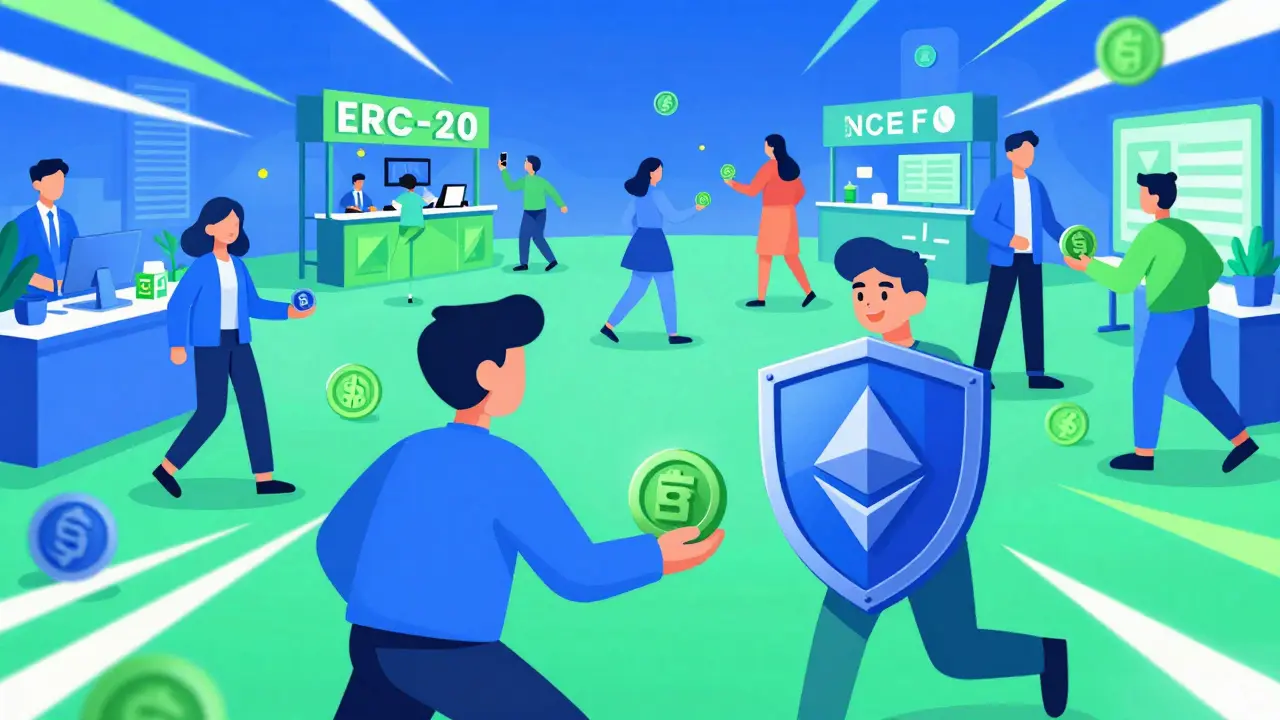
The LF token is an ERC-20 token running on the Ethereum blockchain. This is significant because it means LF inherits the security and compatibility of one of the most established networks in crypto. You don't need a special wallet to hold LF; any standard Ethereum-compatible wallet like MetaMask, Trust Wallet, or Ledger will work perfectly.
Because it uses the ERC-20 standard, LF integrates seamlessly with existing DeFi tools. You can swap it on decentralized exchanges like Uniswap, lend it out on lending protocols, or use it in yield farming strategies. The token leverages Ethereum's Proof-of-Stake (PoS) consensus mechanism, which ensures that transactions are validated efficiently and securely. For users, this translates to familiar interfaces and broad interoperability across the Ethereum ecosystem.
Tokenomics: Supply and Distribution
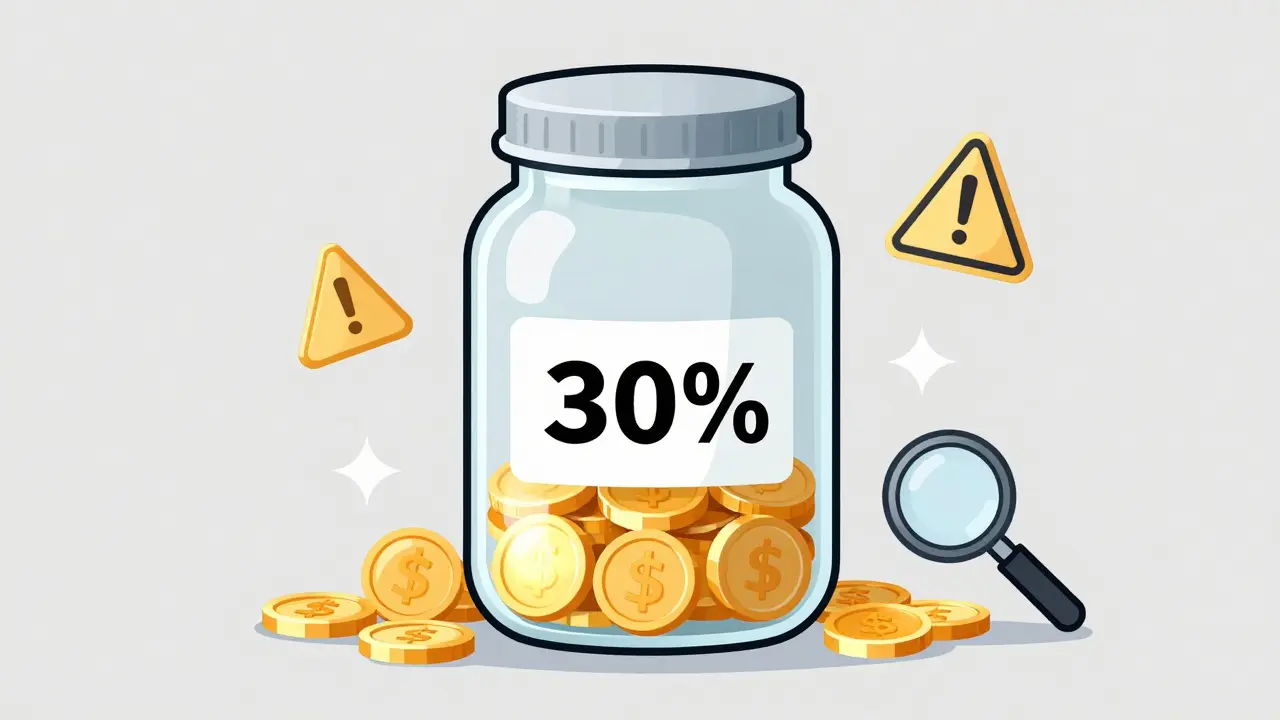
One of the first things investors should check is the supply structure. LF has a total supply cap of 10 billion LF tokens. However, not all of these tokens are in circulation right now. Currently, only 3 billion LF tokens are active, representing 30% of the total supply.
This gradual emission schedule is a common strategy in newer crypto projects. It prevents immediate inflationary pressure on the price. The remaining 70% of tokens are likely locked or scheduled for release over time, possibly tied to milestones, team vesting, or ecosystem incentives. This means the "fully diluted valuation" (FDV)-the value if all 10 billion tokens were circulating-is higher than the current market cap. Investors should keep an eye on the unlock schedule, as large releases can impact price volatility.
| Attribute | Value |
|---|---|
| Total Supply Cap | 10 Billion LF |
| Circulating Supply | 3 Billion LF (30%) |
| Blockchain | Ethereum (ERC-20) |
| Launch Date | March 9, 2025 |
Utility: How Do You Use LF?
A token without utility is just a speculation vehicle. LF attempts to solve this by embedding multiple functions into its design. Here is how the token is intended to be used within the LF Labs ecosystem:
- Staking: Users can lock their LF tokens to earn rewards. This helps secure the network and reduces circulating supply, potentially supporting price stability.
- Governance: Holders may participate in decision-making processes regarding the platform's future development, fee structures, and partnerships.
- Market-Making Rebates: Participants who provide liquidity or engage in market-making activities can receive rebates in LF, lowering their operational costs.
- Discounted Payments: The token can be used for discounted Proof-of-Stake payments within the platform, offering cost savings for active users.
This multi-functional approach aims to create a sustainable economic model. Instead of relying solely on price appreciation, the token provides tangible benefits to users who actively participate in the ecosystem. This aligns the interests of holders with the long-term health of the platform.
Trading and Liquidity: Where to Buy LF
If you want to buy LF, you have several options. The token is listed on multiple centralized exchanges, which generally offer better liquidity and easier onboarding for beginners compared to decentralized swaps. According to recent data, the most popular exchange for trading LF is HTX, where the LF/USDT pair sees significant volume.
Other notable venues include Gate.io and AscendEX (BitMax). Prices can vary slightly between these platforms due to differences in order books and trading activity. As of early May 2026, prices hovered around $0.000036 to $0.000041 USD, with 24-hour trading volumes ranging from $16K to over $250K depending on the exchange.
Always check the contract address before buying. Since there are other projects with similar tickers, ensuring you are interacting with the correct ERC-20 contract on Ethereum is crucial to avoid sending funds to the wrong address.
Price Performance and Market Context
LF is currently ranked around #2926 by market cap on CoinMarketCap, indicating it is still a small-cap asset. Small caps often experience higher volatility, meaning prices can swing dramatically on relatively low trading volumes. The 24-hour trading volume has shown signs of increasing interest, with some days seeing nearly 40% spikes in volume.
However, caution is warranted. The market cap remains under $150K, which suggests limited liquidity compared to major cryptocurrencies like Bitcoin or Ethereum. Slippage can occur during large trades, and the price can be influenced more easily by whale movements or news events. Always use limit orders rather than market orders when trading low-volume assets to protect yourself from unfavorable execution prices.
Risks and Considerations
Before investing in LF, consider the following risks:
- Ticker Confusion: Other projects like Logistic Fundamental or LF Decentralized Trust also use the "LF" ticker. Always verify the project name and contract address.
- New Project Status: Launched in March 2025, LF Labs is still relatively young. Its track record in market-making and Web3 growth is short, so long-term viability is unproven.
- Supply Dilution: With 70% of tokens yet to circulate, future unlocks could put downward pressure on the price if demand doesn't match supply increases.
- Liquidity Risk: Low trading volumes mean it might be difficult to sell large amounts quickly without impacting the price.
Do your own research (DYOR). Look into the team behind LF Labs, their whitepaper, and community sentiment. Don't rely solely on price charts or social media hype.
Is LF the same as other LF tokens?
No. While other projects like Logistic Fundamental or LF Decentralized Trust use the ticker LF, the LF discussed here is specifically the native token of LF Labs, an ERC-20 token on Ethereum launched in March 2025. Always check the contract address to distinguish between them.
Where can I buy LF coin?
You can trade LF on centralized exchanges such as HTX, Gate.io, and AscendEX (BitMax). Ensure you are trading the correct LF/USDT pair associated with LF Labs.
What is the total supply of LF?
The total supply cap for LF is 10 billion tokens. Currently, only 3 billion tokens (30%) are in circulation, with the rest scheduled for gradual release.
Does LF have any real utility?
Yes, LF serves multiple purposes including staking, governance voting, receiving market-making rebates, and paying for discounted services within the LF Labs ecosystem.
Is LF safe to store?
Since LF is an ERC-20 token on Ethereum, it can be stored in any standard Ethereum-compatible wallet like MetaMask, Trust Wallet, or hardware wallets like Ledger. Always verify the contract address before transferring funds.