
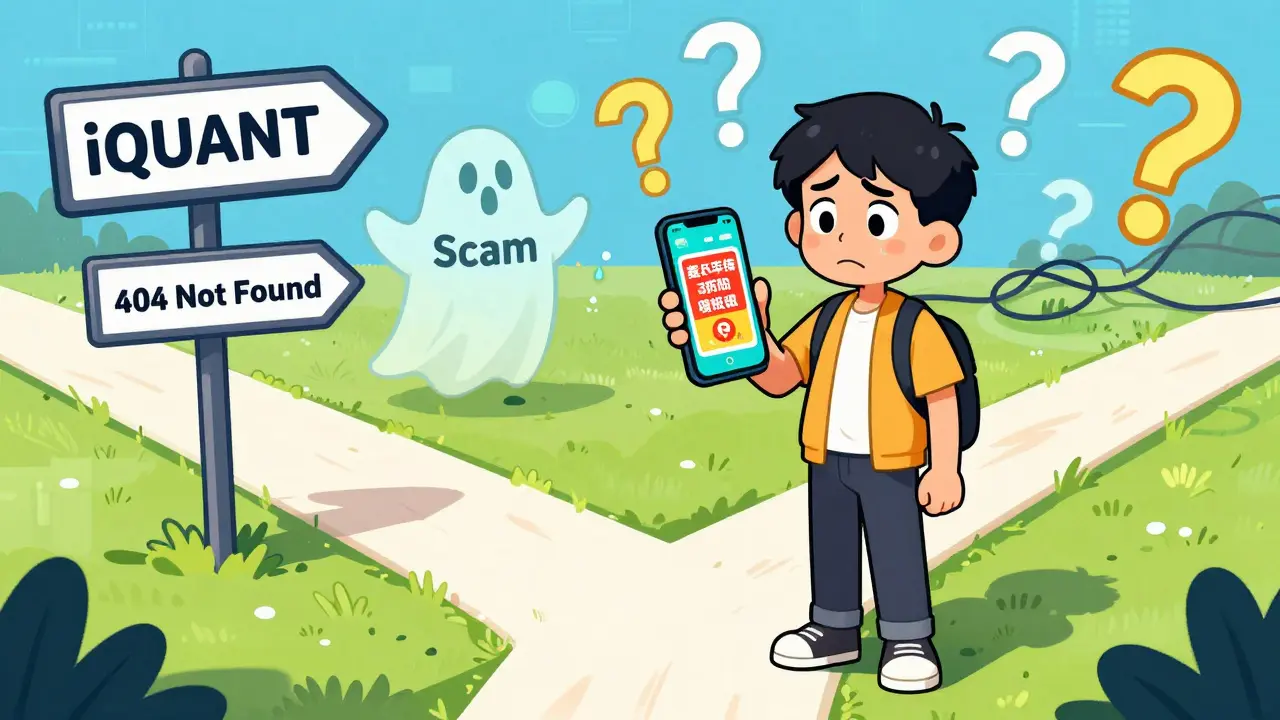
You’ve probably seen an ad for "iQuant" promising massive returns on crypto trades. Maybe a friend sent you a link, or you found it while scrolling through social media. The name sounds professional, techy, and trustworthy. But here is the hard truth that most reviews won’t tell you upfront: iQuant crypto exchange does not exist as a legitimate trading platform.
If you are looking to buy Bitcoin, Ethereum, or trade altcoins, you need to stop right now. There is a significant amount of confusion in the market because several different companies use similar names. Some are legitimate research tools, some are real exchanges with different names, and others are outright scams designed to steal your deposit. In this guide, we will clear up the fog, explain what iQUANT actually is, identify the real exchange people often confuse it with, and show you how to avoid losing your money to fake platforms.
The Core Confusion: What Is iQUANT?
When you search for "iQuant," you usually land on one of three very different things. This mix-up is dangerous because if you think you are signing up for a crypto exchange but end up on a stock research site-or worse, a scam site-you will get frustrated fast.
First, there is iQUANT.pro. This is an investment research publisher and portfolio management tool for financial advisors. It is not a crypto exchange. You cannot deposit Bitcoin here. You cannot trade stocks here directly either. Instead, it provides data, ETF models, and backtesting tools for professionals who manage other people’s money. If you are an individual investor trying to trade crypto, this platform is useless to you. It requires membership access and focuses on traditional finance metrics like S&P 500 outperformance, not blockchain assets.
Second, there is CryptoQuant. This is a blockchain analytics platform. It tracks on-chain data, wallet movements, and market trends. It is a powerful tool for serious traders who want to see where the big players (whales) are moving their funds. However, CryptoQuant does not allow you to trade. It is purely informational. You pay for data, not for execution.
Third, and this is where the danger lies, there are fraudulent websites using variations of these names. These fake sites mimic the look of legitimate exchanges or research platforms to trick users into depositing funds. They often promise "AI trading bots" or "guaranteed returns." Once you send money, they disappear or demand more fees before letting you withdraw. This is a classic advance-fee scam.
Bequant Global: The Real Exchange People Mean
Many users searching for "iQuant" are actually looking for Bequant Global. The names sound similar, and both deal with quantitative analysis, which leads to frequent mix-ups. Bequant is a real cryptocurrency exchange. It offers spot trading, margin trading, and perpetual futures across over 2,000 trading pairs.
Bequant positions itself as a platform for high-frequency traders and institutions, boasting tight spreads and competitive fees. They offer "Prime accounts" with specific security protocols. However, even though Bequant is a legitimate entity, it is not the same as iQUANT.pro, nor is it the same as the scam sites masquerading under the iQuant name.
If you decide to use Bequant, you must verify you are on the official domain. Scammers often register domains like "bequant-support.com" or "iquant-global-login.net" to phish credentials. Always check the URL carefully. Legitimate exchanges do not ask you to send crypto to a personal wallet address to "verify" your account.
Red Flags: How to Spot a Fake Crypto Exchange
Since there is no legitimate "iQuant Crypto Exchange," any website claiming to be one is likely a scam. The California Department of Financial Protection and Innovation has documented numerous cases of similar frauds. Here is how these scams typically operate:
- Social Media Recruitment: You are added to a WhatsApp or Telegram group by someone claiming to have an "insider tip" or an "AI trading tool." They post screenshots of huge profits.
- Urgency and Exclusivity: They tell you the opportunity is limited-time or exclusive to a small group. This creates fear of missing out (FOMO).
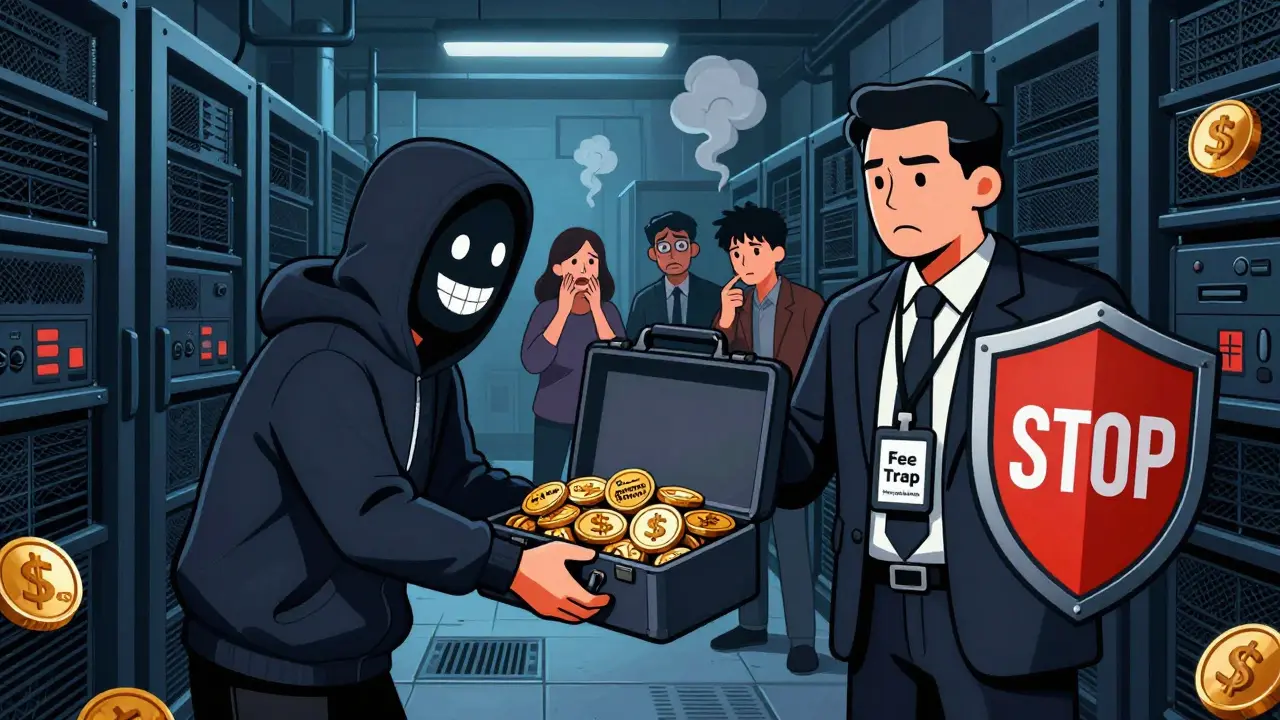
- Withdrawal Blocks: You deposit $1,000 and see it grow to $3,000 on their dashboard. When you try to withdraw, they say you must pay a "tax," "insurance fee," or "verification charge" of $500. Then another fee. You never get your original money back.
- No Regulatory Presence: Legitimate exchanges are registered with financial authorities. Fake ones have no physical address, no team listed, and no regulatory licenses.
If a platform asks you to pay extra fees to release your funds, it is 100% a scam. No legitimate exchange works this way.
Safety First: Choosing a Legitimate Crypto Platform
Avoiding scams starts with choosing well-known, regulated exchanges. Instead of chasing obscure platforms with confusing names, stick to industry leaders that have proven track records, transparent fee structures, and robust security measures.
| Feature | Legitimate Exchanges (e.g., Coinbase, Kraken) | Fake "iQuant" Style Scams |
|---|---|---|
| Regulation | Licensed in multiple jurisdictions (US, EU, Asia) | No license, offshore registration, or fake certificates |
| Fees | Transparent trading fees displayed publicly | Hidden fees, especially "withdrawal taxes" |
| Support | Official help center, email, and live chat | Only WhatsApp/Telegram contact, no official website support | r>
| User Reviews | Mixed reviews on Trustpilot, consistent complaints about UI, not theft | No independent reviews, or only fake 5-star posts from bot accounts |
| Deposit Method | Bank transfer, credit card, direct crypto deposit to exchange wallet | Direct crypto transfer to a private wallet address controlled by an individual |
Platforms like Coinbase, Kraken, Binance, and KuCoin have millions of users, public audits, and insurance funds for digital assets. They may not promise "doubling your money in a week," but they provide a secure environment to execute trades. If you are interested in quantitative strategies, you can use tools like TradingView for charting and connect them to these reputable exchanges via API. This keeps your funds safe while allowing you to test automated strategies.
What Should You Do If You Already Deposited Money?
If you have already sent funds to a site claiming to be "iQuant Crypto Exchange," act immediately. Time is critical. First, stop sending any more money. Do not pay the "withdrawal fee." It will not work. Second, document everything. Take screenshots of the website, the chat logs, the transaction hashes, and any promises made by the "agents." Third, report the incident. Contact your bank or credit card issuer to dispute the transaction if possible. For crypto transactions, file a report with your local law enforcement and relevant cybercrime units. In the US, you can report to the FTC or the FBI’s Internet Crime Complaint Center (IC3). In Australia, report to the Australian Competition and Consumer Commission (ACCC) or the Australian Federal Police.
While recovering funds from crypto scams is difficult due to the irreversible nature of blockchain transactions, reporting helps authorities track patterns and shut down operations. It also warns others.
Understanding Quantitative Analysis in Crypto
The term "quant" comes from quantitative analysis. This involves using mathematical models and statistical methods to make trading decisions. Legitimate quant firms use sophisticated algorithms to analyze market data, volatility, and liquidity. They do not guarantee profits. Markets are unpredictable.
If you are interested in this approach, you don’t need a shady exchange. You can learn Python, study technical indicators, and use backtesting software on historical data. Platforms like QuantConnect or Backtrader allow you to develop and test strategies without risking real capital initially. Once your strategy is proven, you can deploy it on a regulated exchange. This path is slower but far safer than handing your money to an unknown entity.
Final Thoughts on Due Diligence
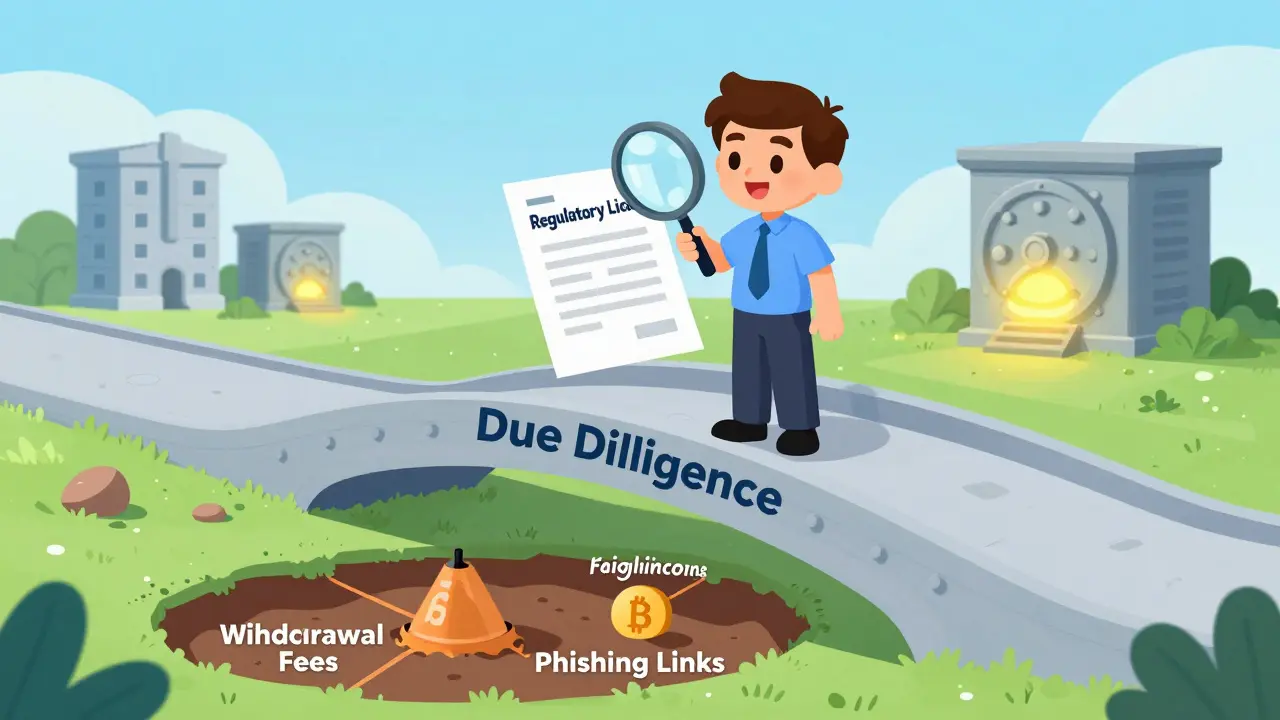
In the world of cryptocurrency, trust is earned through transparency, regulation, and longevity. A platform named "iQuant Crypto Exchange" does not meet these criteria. It is either a misidentified research tool, a confused reference to Bequant, or a scam. Always verify the URL, check for regulatory licenses, and read independent user experiences before depositing a single cent. Your financial security is worth the extra five minutes of research.
Is iQUANT.pro a crypto exchange?
No, iQUANT.pro is not a crypto exchange. It is an investment research platform for financial advisors that provides ETF models and portfolio optimization tools. It does not support cryptocurrency trading or deposits.
What is the difference between iQuant and Bequant?
iQuant (specifically iQUANT.pro) is a research tool for traditional finance, while Bequant Global is a cryptocurrency exchange offering spot and futures trading. They are completely separate entities. Users often confuse them due to similar naming conventions related to quantitative analysis.
How can I tell if a crypto exchange is a scam?
Signs include unsolicited contact via WhatsApp or Telegram, promises of guaranteed high returns, requests to pay fees to withdraw funds, lack of regulatory licenses, and poor online presence with no independent reviews. Legitimate exchanges never ask for payment to release your own deposited funds.
Is Bequant Global a safe exchange?
Bequant Global is a legitimate cryptocurrency exchange offering various trading pairs. However, as with any exchange, users should verify they are on the official website, enable two-factor authentication, and start with small deposits to test withdrawal processes. Always conduct your own due diligence regarding regulatory compliance in your jurisdiction.
What should I do if I lost money to an iQuant scam?
Stop all further payments immediately. Document all communications and transaction details. Report the fraud to your local law enforcement, cybercrime units, and financial regulators. Contact your bank or payment provider to attempt a chargeback if applicable. While recovery is difficult, reporting helps prevent others from being victimized.